 Skip to content
Introduction to DC-Driven LED PCBs
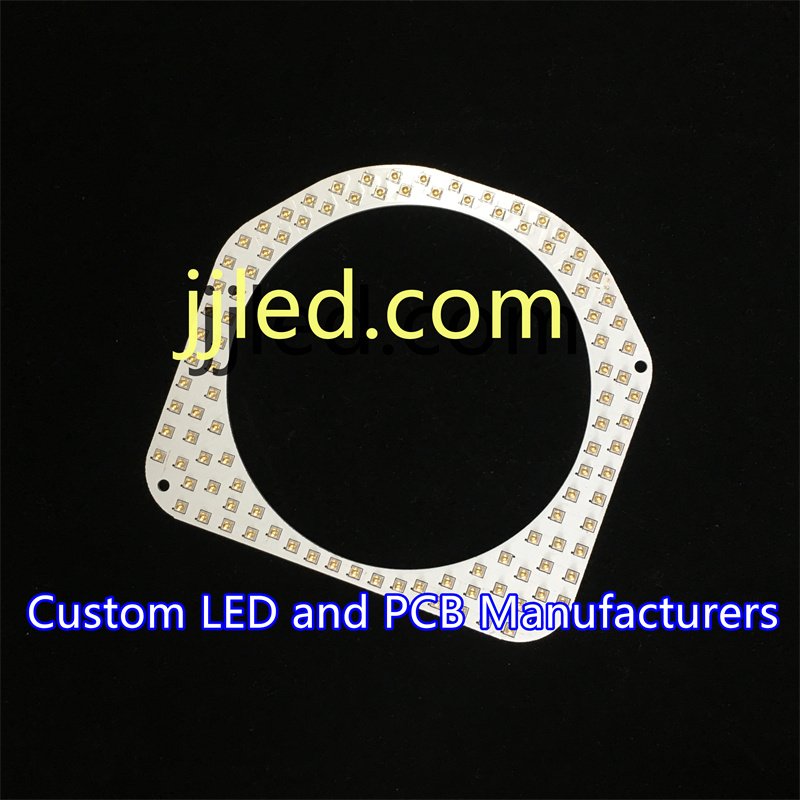
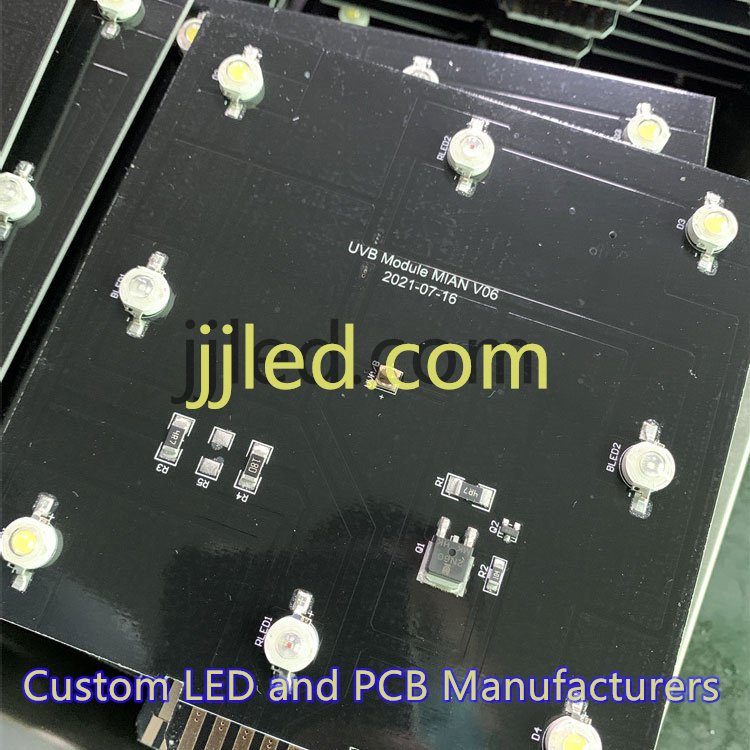
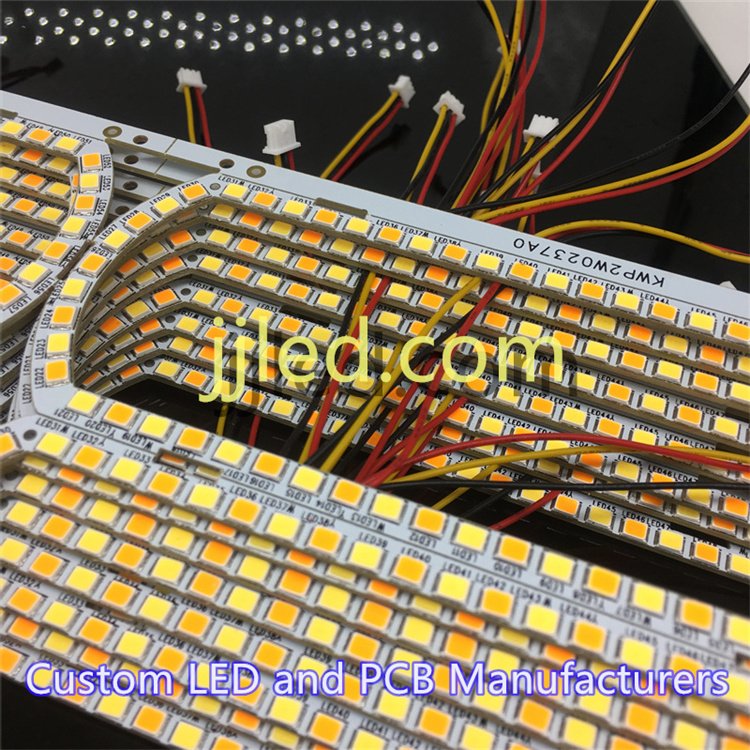
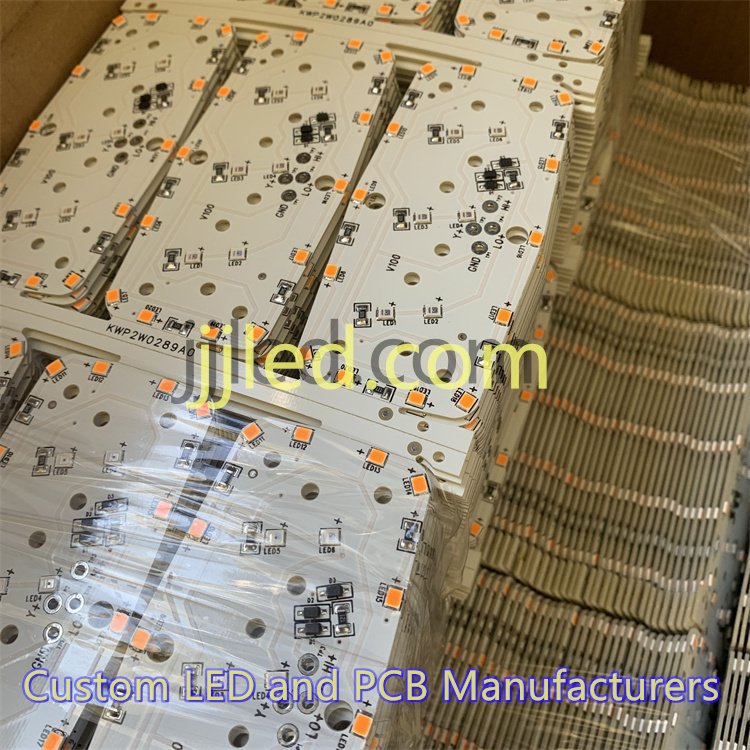
If you’re exploring efficient lighting solutions, you’ve likely come across DC-driven LED PCBs. These printed circuit boards form the backbone of modern LED lighting systems, integrating LED chips directly onto reliable substrates. The integration of LED chips onto PCBs allows for compact, robust, and customizable lighting modules that suit a wide range of uses.
Operating LED lights with direct current (DC) offers several key advantages. DC-powered LED boards simplify power management by reducing flicker and improving energy efficiency. They are inherently safer since DC voltages are lower and more stable, making them ideal for battery-operated and solar-powered devices. This compatibility with renewable energy systems highlights why LED PCBs with DC chips are becoming vital in sustainable lighting projects.
Custom LED chip PCB designs are critical because every lighting application has unique power, size, and brightness needs. Off-the-shelf LED modules rarely fit perfectly into tailored designs. Whether it’s a sleek automotive panel, a portable device, or an architectural lighting setup, a customized DC LED PCB ensures optimal performance, longevity, and energy use that standard boards can\’t match.
In short, DC LED PCBs combine smart design and efficient power operation, making them indispensable components in today’s diverse lighting landscape.
Understanding Key Components
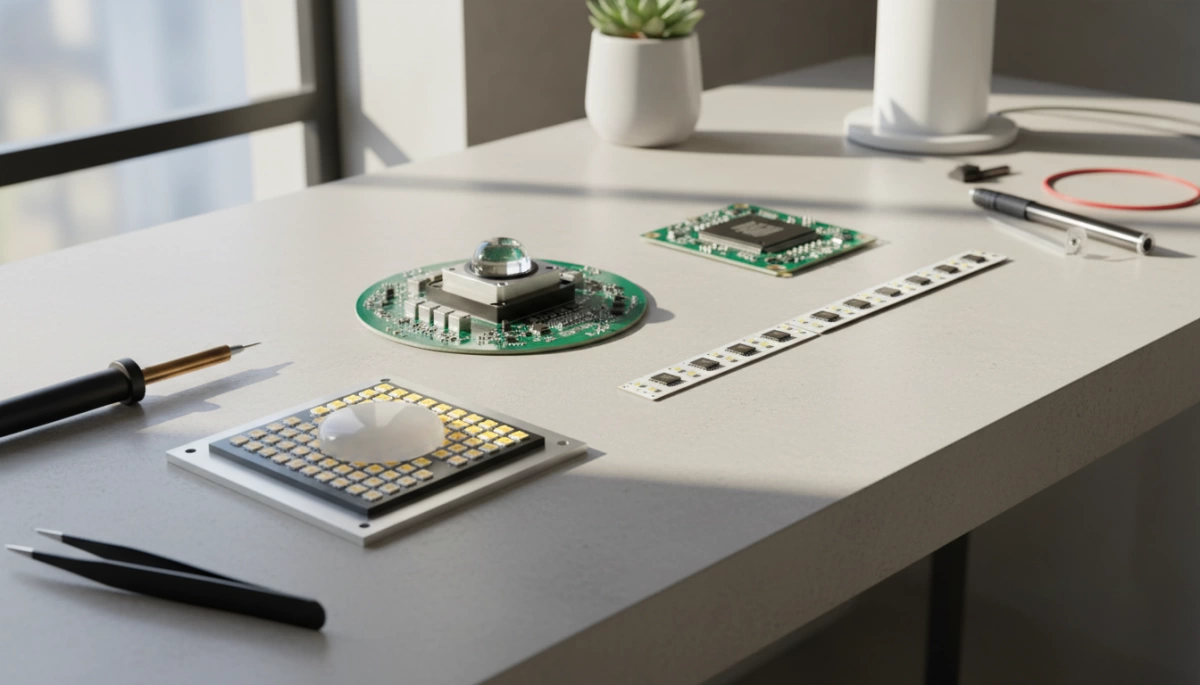
When working with pcb lights led chip dc assemblies, understanding the core components is key to creating efficient, reliable lighting solutions.
LED Chips: SMD vs. COB
There are mainly two chip types used on LED PCBs: SMD (Surface-Mount Device) and COB (Chip on Board).
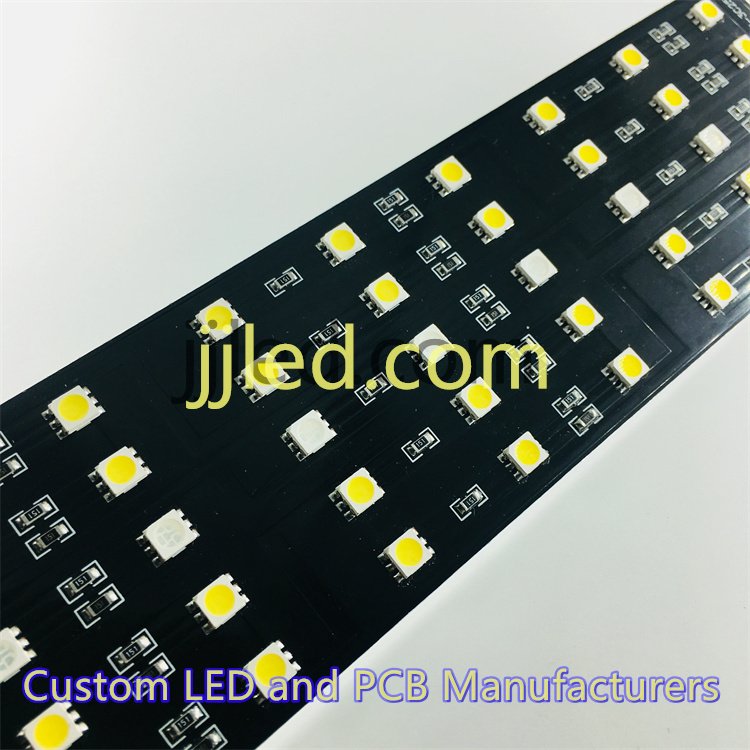
- SMD LED chips are tiny, individual LEDs mounted directly onto the PCB surface. They’re versatile, allowing for compact, dense layouts perfect for various lighting effects.
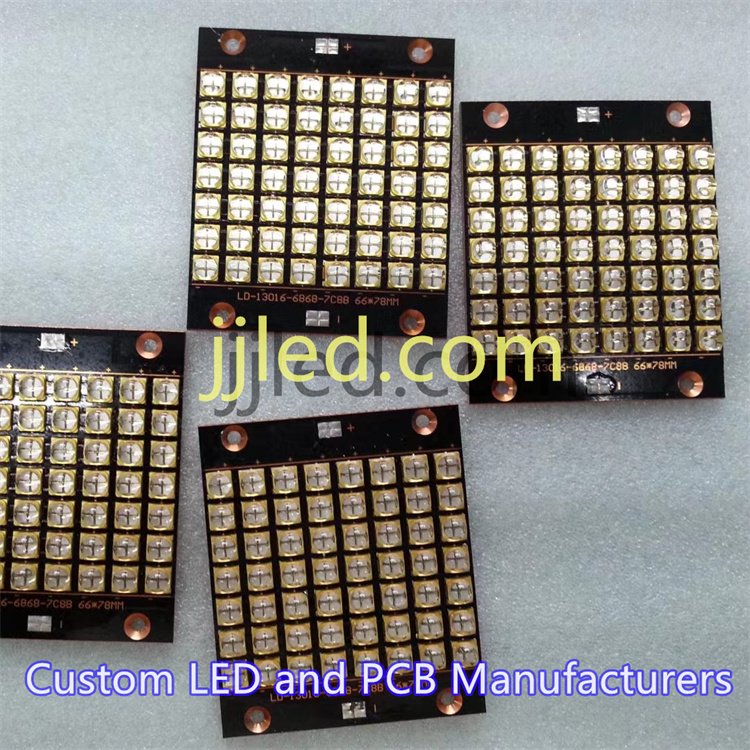
- COB LED assembly involves mounting multiple LED chips closely packed on the board, creating a single light source with higher brightness and better heat dispersion—ideal for high power applications.
Each type has its strengths depending on your design needs, with SMDs offering flexibility and COBs delivering intense, uniform illumination.
Substrate Materials for Heat Management
The substrate material beneath the chips plays a crucial role in handling heat generated during operation, especially when running on direct current (DC). Popular choices include:
- Aluminum LED boards: Known for excellent heat dissipation, aluminum cores keep LED temperature low, extending lifespan.
- Copper-based substrates: Offer superior thermal and electrical conductivity, though usually at a higher cost.
- Ceramic substrates: Provide great thermal stability and electrical insulation, useful in specialized or high-temperature environments.
Choosing the right substrate ensures your DC LED PCB module maintains stable performance and prevents overheating issues.
Circuit Design for Steady DC Operation
Designing the circuit for consistent DC current flow involves careful layout and protective features to avoid voltage fluctuations and power losses. Key design elements include:
- Proper trace width to handle current without excess heat buildup
- Inclusion of resistors or constant current drivers for stable LED brightness
- Integration of surge protection for longer-lasting boards
For a deeper dive into optimizing LED circuit layouts, exploring advanced guides on LED light circuit board design can offer valuable insights.
In , selecting the right LED chip mounting method, substrate material, and circuit design is fundamental to building a durable, efficient DC LED PCB module tailored to your project\’s needs.
Benefits of Custom LED PCBs with DC Chips
Custom LED PCBs designed for DC operation come with clear advantages that boost performance and cut costs. Here’s what you gain when you choose tailored solutions for your LED chip boards:
1. Superior Heat Management
- Using substrates like aluminum or metal core materials improves thermal conductivity.
- This keeps LED chips cooler, extending lifespan and maintaining brightness.
2. Higher Energy Efficiency
- DC LED PCBs excel in low voltage setups (commonly 12V or 24V), reducing power waste.
- Ideal for battery-powered or solar systems, they prolong energy use and reduce electricity bills.
3. Flexible Design Options
- Custom PCB lights with LED chips can be shaped and sized exactly to project needs.
- Whether it’s a compact, round LED PCB board or a flexible LED circuit, designs adapt seamlessly.
4. Cost-Effective Production
- Tailored manufacturing avoids excess material and assembly time.
- You pay only for what you need—leading to long-term savings on replacements and energy.
| Benefit | Why It Matters | Outcome |
|---|---|---|
| Thermal Management | Uses metal core or aluminum boards | Longer LED chip life |
| Energy Efficiency | Runs on low-voltage DC circuits | Lower power consumption |
| Design Flexibility | Custom sizes and chip layouts | Perfect fit for any project |
| Cost Savings | Tailored production process | More value, less waste |
For those requiring high-performance boards, check out our range of custom 3535 LED PCB designs that combine quality materials with precise LED chip mounting for robust DC lighting solutions.
Investing in custom DC-driven LED PCBs means you get reliability, performance, and savings rolled into one smart lighting choice.
Common Uses of DC LED Chip PCBs
DC LED chip PCBs are everywhere thanks to their efficiency and flexibility. Here are some of the main areas where they shine:
- Indoor and Cabinet Lighting: Their low voltage DC operation makes them ideal for cozy indoor environments and cabinet displays. They provide consistent, glare-free illumination that highlights spaces without overheating.
- Automotive and Vehicle Lighting: Vehicles rely heavily on DC systems, so using custom LED boards with DC chips ensures reliable lighting for headlights, tail lights, and interior illumination. These PCBs handle vibrations and temperature changes well, perfect for automotive needs. For example, advanced tail light LED boards enhance safety and style on the road.
- Portable and Battery-Powered Devices: Since DC LED PCBs run efficiently on battery power, they are perfect for flashlights, wearable tech, and other portable gadgets. Their compact design and energy-saving features extend battery life, making devices more dependable.
- Commercial Fixtures and Displays: From retail showcases to industrial lighting, customized DC LED PCB modules offer tailored brightness levels and shapes. This flexibility supports diverse commercial lighting needs, ensuring effective visual appeal while maintaining energy efficiency.
These applications benefit greatly from the thermal management and stable current performance of well-designed LED chip PCBs. To see practical examples, exploring tail light LED boards reveals how specialized LED PCBs improve vehicle illumination systems.
Design Considerations for Optimal Performance
When designing custom pcb lights led chip dc systems, several key factors must be taken into account to achieve optimal performance and reliability.
Voltage and Current Requirements
Most DC LED boards operate within a 12V to 24V range, which balances efficiency and safety. Selecting the right voltage is crucial, as it affects the LED chip’s longevity and the PCB\’s overall stability. Overdriving the LEDs can reduce lifespan, while underpowering may lead to insufficient brightness.
Chip Layout and Density
Uniform light distribution depends heavily on how LED chips are arranged on the PCB. A well-planned chip layout ensures consistent illumination without dark spots or hotspots. For example, higher chip density can boost brightness but requires effective thermal strategies to prevent overheating.
Heat Dissipation Strategies
Thermal management is vital for DC LED PCB modules. Substrate choices like aluminum or metal core PCB help efficiently transfer heat away from LED chips. Adding thermal vias and using thermal interface materials improves heat conduction. Without proper heat dissipation, LED performance degrades, and failure risks rise.
Integration of Protective Features
Protective components safeguard your LED PCB against voltage spikes, reverse polarity, and overcurrent. Integrated resistors, fuses, and transient voltage suppressors help maintain stable direct current LED lighting. These features ensure longer service life and reduce maintenance costs.
Considering these elements early in the design phase results in a reliable, high-efficiency LED solution tailored to your specific application needs. For a deeper understanding of controlling LED brightness efficiently, exploring PWM and constant current dimmer designs can be very helpful. You might find insights on PWM dimmers versus constant current dimmers useful for your setups.
Manufacturing Process Overview
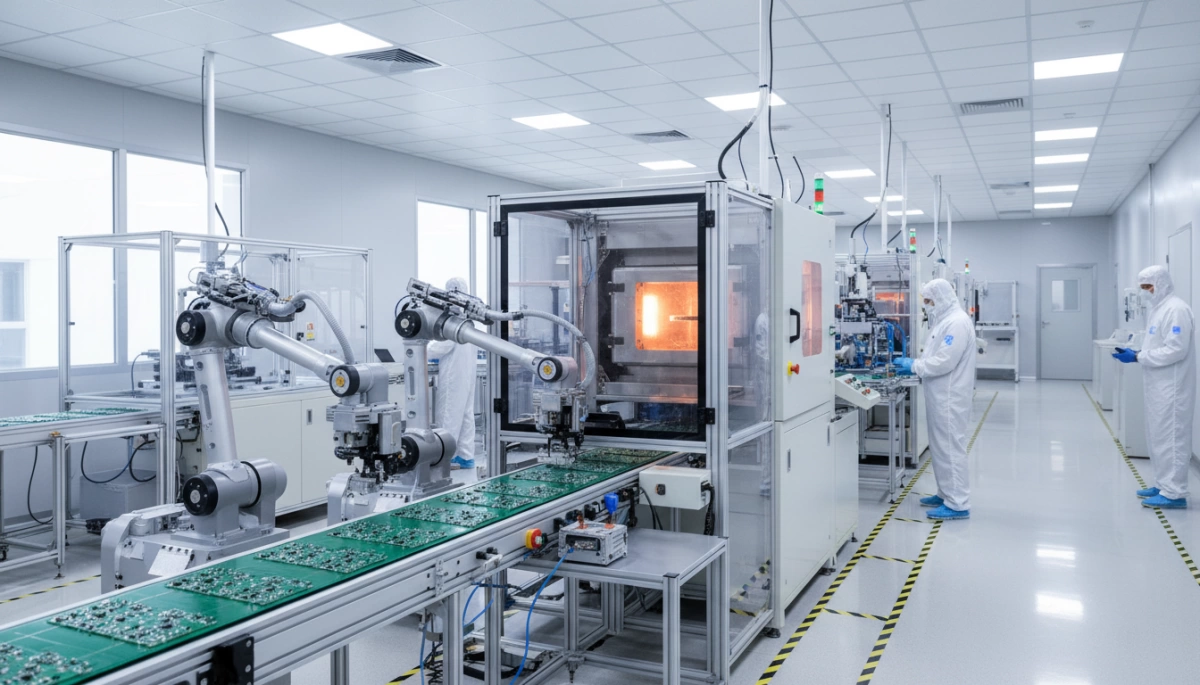
Creating high-quality custom LED PCBs with DC LED chips starts with careful substrate selection. Depending on your project’s thermal and durability needs, materials like aluminum LED boards, copper, or ceramic substrates are chosen for their excellent heat dissipation and electrical insulation properties. This foundation ensures the LED chips perform reliably under direct current operation.
Next comes the chip mounting phase, where precise assembly techniques are critical. For instance, surface-mount device (SMD) LED chip PCB placement uses automated machines to position tiny LED components accurately on the board, ideal for compact and detailed designs. Alternatively, chip-on-board (COB) LED assemblies involve bonding multiple LED chips directly onto the PCB, offering higher power density and uniform light output—excellent for applications requiring intense illumination.
Throughout the process, strict quality testing ensures each DC LED PCB module meets safety and performance standards. This includes inspection for soldering quality, electrical functionality, and thermal management efficiency. Certifications relevant to your region and industry confirm that the finished LED boards are reliable and ready for integration, whether into automotive lighting, commercial fixtures, or portable systems.
For a deeper look at LED chip options, explore the details on 3535 LED chips, which are commonly used in various DC LED PCB configurations.
Choosing a Reliable Manufacturer
Picking the right partner for your custom LED PCB with chips is crucial. Start by checking their experience—manufacturers with a proven track record understand the nuances of DC LED PCB modules and can handle complex requirements smoothly. Look for companies that offer strong customization capabilities to tailor designs exactly to your needs, whether it’s a metal core LED PCB for better heat dissipation or a flexible LED circuit for unique shapes.
Minimum order quantity (MOQ) flexibility also matters, especially if you’re testing prototypes or working on small batches. A reliable supplier will balance MOQ limits with your production scale to avoid unnecessary costs.
Advanced production facilities play a big role in quality. Manufacturers using cutting-edge machinery ensure precise LED chip mounting and superior soldering for better durability and electrical performance. Also, sourcing high-grade materials—like premium aluminum LED boards or ceramic substrates—helps improve thermal management and overall longevity.
Specialists in custom LED PCB with chips deliver tailored solutions by combining design expertise with quality control, ensuring your low-voltage LED systems operate efficiently and safely. Partnering with such experts will give you peace of mind and a product that fits your application perfectly.
For more details on custom LED PCB options and manufacturing processes, check out resources on custom RGB PCB LED or explore their LED PCB board category for reference.
Cost Factors and Value in Custom DC LED PCBs
When you look at the cost of custom PCB lights with LED chips designed for DC operation, several key factors come into play:
- Materials: High-quality substrates like aluminum or metal core PCB materials improve thermal management but add to the cost. Premium LED chips, whether SMD or COB, also affect pricing depending on their power and efficiency.
- Production Volume: Larger orders usually lower the cost per unit, while small batch runs or prototypes can be more expensive due to setup and manufacturing overhead.
- Design Complexity: Custom layouts, chip density, and integration of protective circuits increase design and assembly time, impacting pricing.
- Additional Features: Implementing enhanced heat dissipation methods or flexible PCB designs adds to production costs but results in better durability.
Despite these factors, investing in a well-designed DC LED PCB module pays off over time. Efficient thermal management extends LED lifespan, reducing replacement frequency. Low voltage compatibility cuts energy consumption, especially for battery-powered and solar setups, driving long-term savings.
Choosing a trusted OEM LED PCB manufacturer who balances quality and cost ensures you get the best value without compromising performance. For more on production and design options, explore our detailed insights on custom led pcb with chips to see solutions tailored to your needs.
Common Questions on Custom DC LED PCBs
When working with custom PCB lights LED chip DC designs, here are some FAQs to guide your choices:
| Question | Answer |
|---|---|
| What DC voltages are most common? | Typically, 12V and 24V are standard for DC LED PCBs. They offer good balance between efficiency, safety, and compatibility with batteries or solar sources. |
| How do SMD and COB chips differ for DC use? | SMD LED chip PCB modules provide flexible layouts and easier replacement, while COB LED assembly offers higher power density and uniform light suited for high-brightness DC lighting. Both perform well under stable DC current but suit different project needs. |
| What’s the minimum order quantity (MOQ) for custom boards? | MOQ varies by manufacturer but generally starts as low as 50 to 100 units, making small batch production feasible for specialized projects. Always confirm specific MOQ when ordering. |
| What are typical lead times and prototyping options? | Lead times usually range from 2 to 6 weeks depending on complexity and volume. Many suppliers offer prototype runs to test custom LED module designs before full production. |
For those interested in more details about precise LED chip mounting and design options, explore resources on white LED light circuit PCB boards and popular white light SMD 2835 LED components.
Understanding these basics ensures you get the optimal performance and cost efficiency from your custom DC LED PCB projects.
 English
  Spanish
  French
  Portuguese
  Italian
