
Understanding Aluminum PCBs for LED Applications
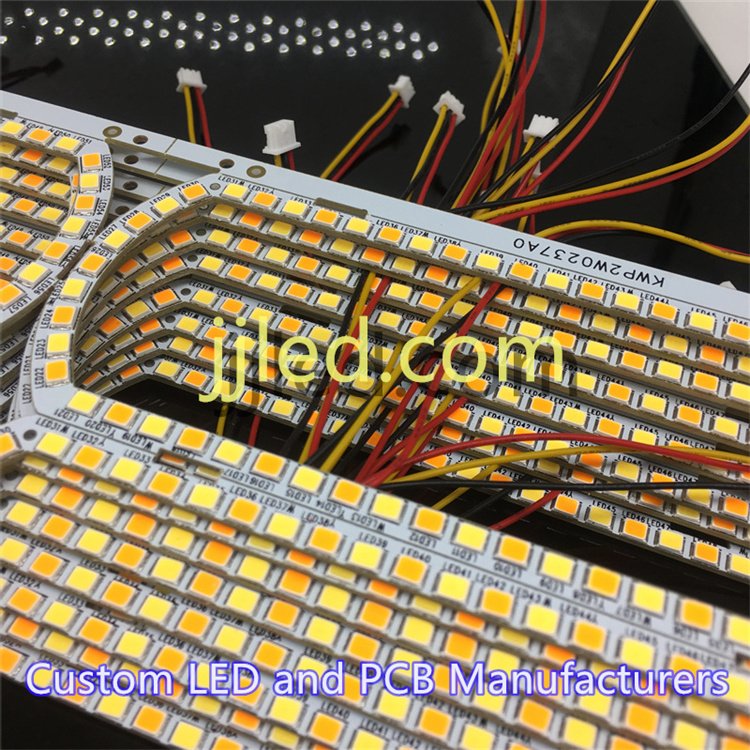
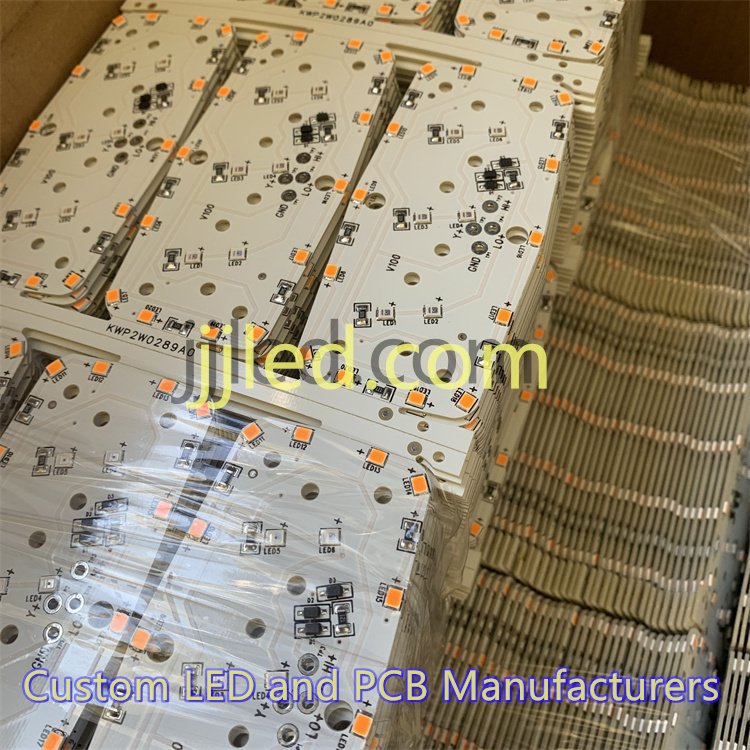
If you’re exploring custom aluminum PCB LED lighting boards, it\’s essential to know what makes these boards unique and why they suit LED lighting so well.

What is an Aluminum PCB?
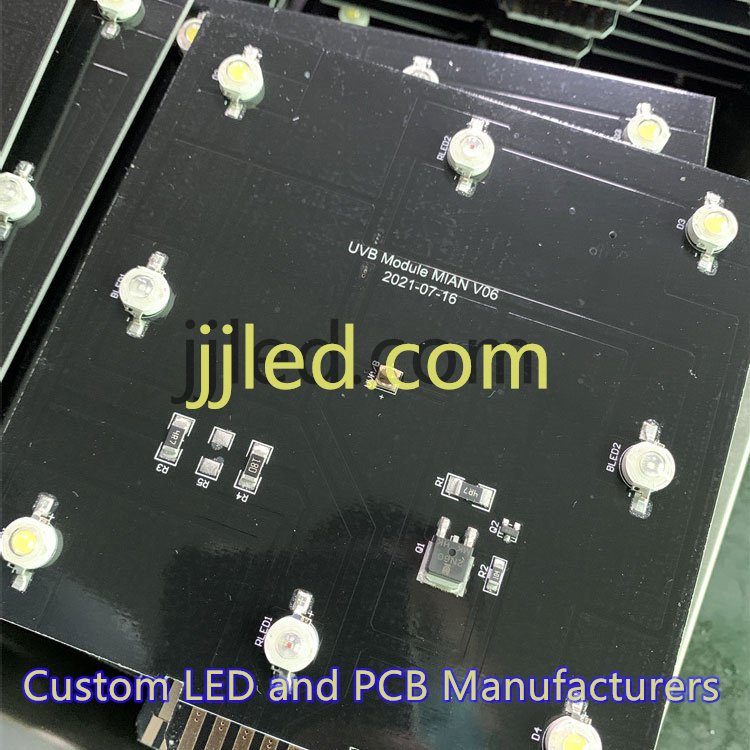
An aluminum PCB, also known as a Metal Core PCB (MCPCB), is designed with three basic layers:
| Layer | Description |
|---|---|
| Circuit Layer | Copper traces where the electrical components connect. |
| Dielectric Layer | Insulation layer that also conducts heat efficiently. |
| Aluminum Base Layer | Acts as a heat sink, dispersing heat away from LEDs. |
This structure is key to managing heat better than traditional PCBs.
How Aluminum PCBs Differ from FR-4 Boards
Traditional FR-4 PCBs use a fiberglass base, which insulates well electrically but does a poor job conducting heat. In contrast, aluminum PCBs provide:
- Enhanced thermal management thanks to the aluminum base acting as a built-in heat sink.
- Better efficiency in dissipating heat generated by high-power LEDs.
- Longer LED lifespan due to reduced operating temperature.
This heat control is a critical advantage, especially for high-power LED applications.

Common Aluminum PCB Configurations
Aluminum PCBs come in several typical designs to fit different LED lighting needs:
| Configuration | Features | Use Cases |
|---|---|---|
| Single-layer | One copper layer on aluminum base. Simple and cost-effective. | LED strips, basic lighting |
| Double-layer | Two copper layers for more complex circuits. | Advanced LED systems needing extra circuitry |
| Hybrid designs | Mix of layers and materials for specialized needs. | Custom, high-performance applications |
Choosing the right configuration depends on your LED setup, power requirements, and design complexity.
Understanding how an aluminum base LED board works and its configurations helps you select the ideal PCB for your lighting project. The key takeaway: aluminum PCBs excel in keeping LEDs cool, stable, and performing longer compared to traditional FR-4 boards. This makes them a popular choice in the evolving LED lighting industry.
Key Benefits of Aluminum PCBs in LED Lighting
Custom aluminum PCB LED lighting boards bring significant advantages that make them the preferred choice in LED applications. Here’s why:
Superior Heat Dissipation for Longer LED Life
Aluminum core PCBs excel at conducting heat away from LED chips. This effective thermal management prevents overheating, which is a major cause of LED failures. By keeping temperatures low, these boards extend LED lifespan and maintain performance over time.
Brightness Consistency and Color Stability
Better heat control means LEDs operate more steadily. This results in uniform brightness and consistent color output, crucial for applications requiring reliable light quality, such as commercial lighting and displays.
Mechanical Strength in Tough Conditions
The rigid aluminum base adds durability, making these PCBs resistant to vibrations, shocks, and humidity. This toughness is essential for outdoor fixtures, automotive lights, and industrial environments where reliability matters.
Lightweight and Eco-Friendly Design
Aluminum boards are lighter than traditional heavy metals used for heat sinks, easing installation and reducing transportation costs. Plus, aluminum is recyclable, supporting environmentally friendly production.
Cost Efficiency Over Time
Although initial costs might be higher than standard FR-4 boards, aluminum PCBs reduce the need for additional heat sinks and lower maintenance expenses. Their long-lasting performance leads to savings throughout the product’s life.
| Benefit | Impact |
|---|---|
| Thermal management | Longer LED lifespan, consistent output |
| Mechanical durability | Reliable in harsh environments |
| Lightweight design | Easier handling, lower shipping costs |
| Environmental advantages | Recyclable materials |
| Lifecycle cost-effectiveness | Less repair, no extra cooling required |
For more details on how thermal management affects LED performance on aluminum boards, check out this detailed overview on advantages of aluminum LED PCBs.
Choosing a custom aluminum PCB for your LED lighting ensures you get a solution tailored for durability, efficiency, and stable light quality.
Technical Specifications for Custom Aluminum PCB LED Lighting Boards
When designing a custom aluminum PCB LED lighting board, getting the technical specs right is crucial for performance and reliability. Here’s a quick breakdown of what to consider:
Thermal Conductivity and Material Choices
- Thermal conductivity typically ranges from 1 to 3.5 W/m·K in dielectric layers. Higher values improve heat dissipation, essential for high-power LEDs.
- Choose dielectric materials that balance insulation with thermal transfer — ceramic fillers often boost performance.
Board Thickness and Copper Weight
| Parameter | Typical Ranges | Impact |
|---|---|---|
| Board Thickness | 0.8 mm to 3.2 mm | Affects rigidity & heat spread |
| Copper Weight | 35 µm to 210 µm (1 oz to 6 oz) | Higher weight enhances current capacity and heat conduction |
Thicker copper layers support heavier currents and assist heat flow, helping longevity for LED substrates on aluminum base.
Surface Finish and Solder Mask
- Use finishes like ENIG (Electroless Nickel Immersion Gold) or OSP (Organic Solderability Preservatives) for better solderability and corrosion resistance.
- Opt for white solder masks to reflect light and improve overall brightness and color consistency, critical in LED lighting.
Size, Shape, and Layout Flexibility
Custom aluminum PCBs can be made in various shapes and sizes:
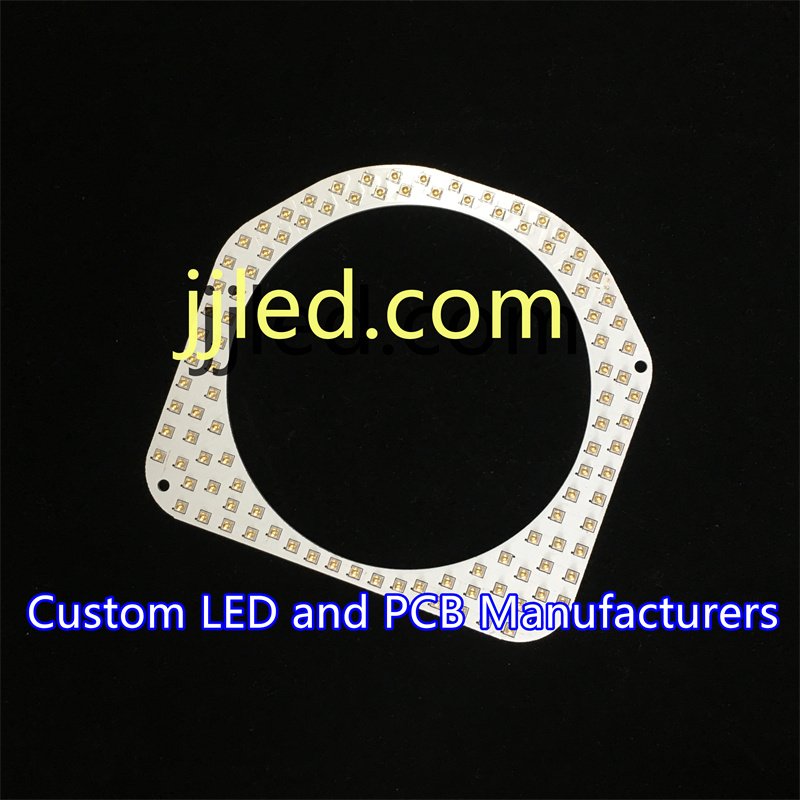
- Round for spotlight applications
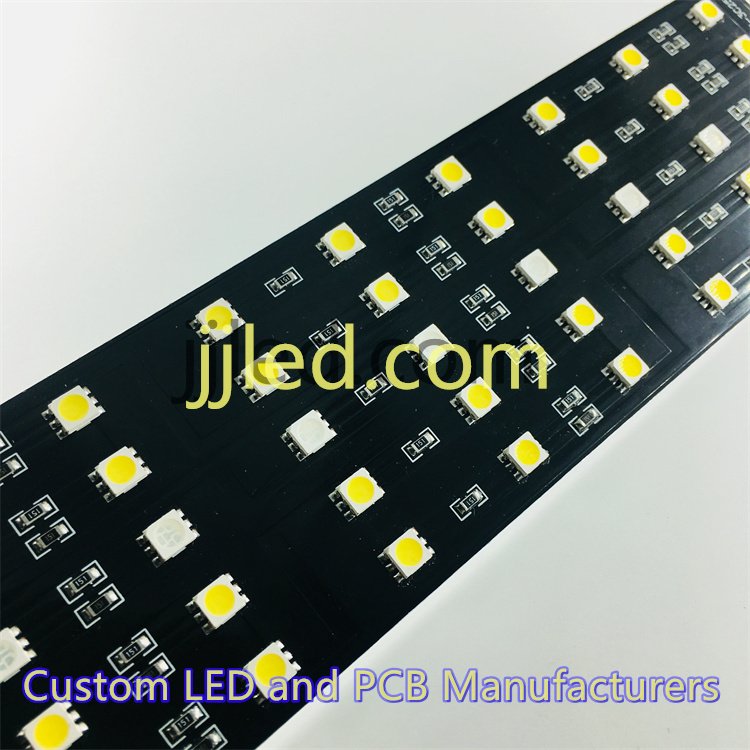
- Strip types for LED strips and linear fixtures
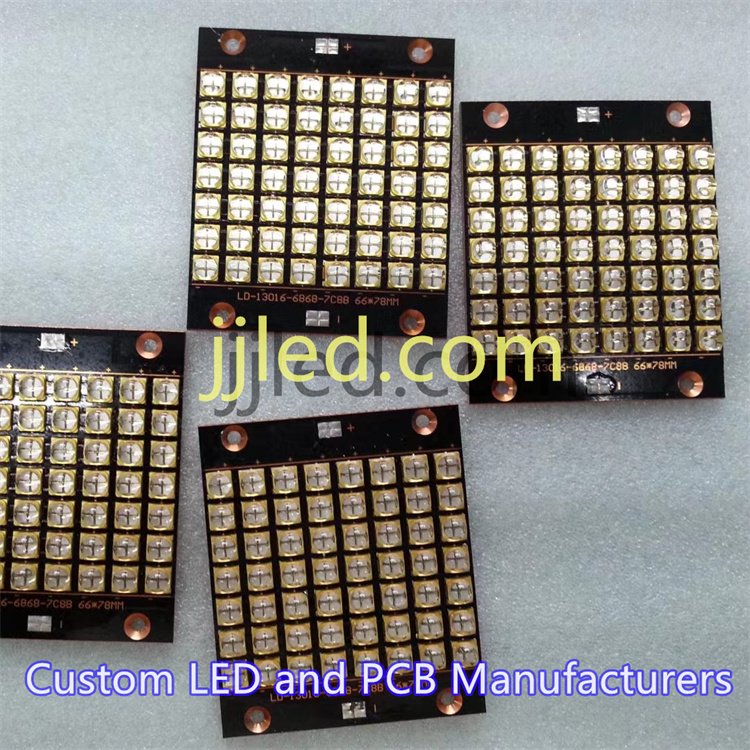
- Panelized arrays for large-scale lighting assemblies
This flexibility lets you optimize layout for both thermal management and lighting design. For more ideas on shape and size, see this detailed guide on shape and size of LED light PCBs.
Choosing the right thermal conductive LED substrate and tailoring copper weight, thickness, and finish to your LED load and environment are key to building efficient, durable aluminum clad LED boards.
The Customization Process for Aluminum PCB LED Lighting Boards
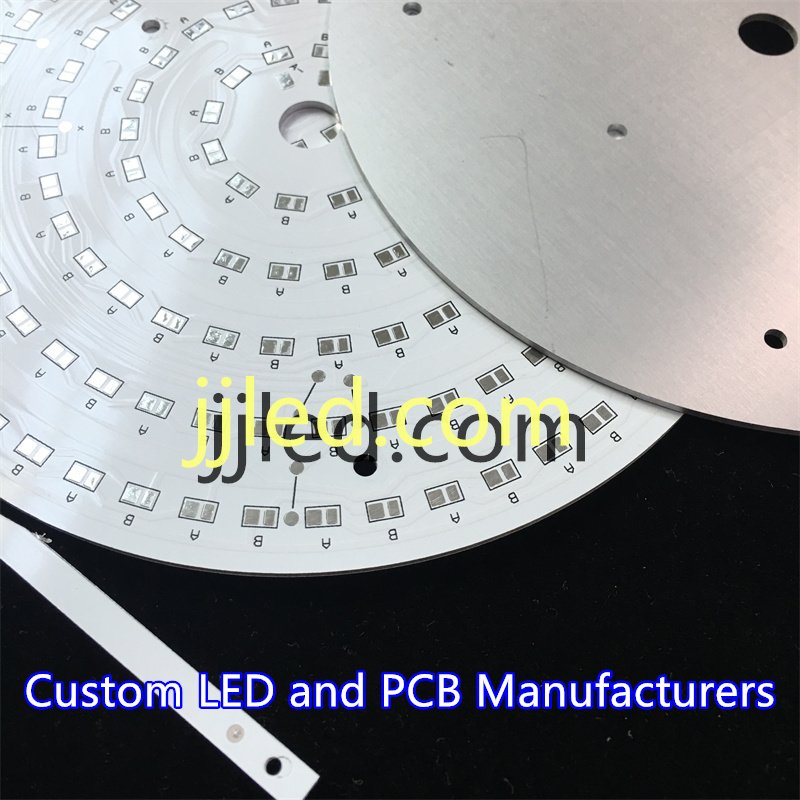
Customizing a custom aluminum PCB LED lighting board starts with a clear design consultation. We work closely with you to understand your application needs, budget, and performance goals. This helps us recommend the best structure—whether single-layer, double-layer, or a hybrid aluminum base LED board design.
Once the concept is set, you’ll provide design files like Gerber files and a detailed bill of materials (BOM). These files are essential to accurately prototype your metal core PCB LED. Good design support ensures there\’s no guesswork in specifications such as copper weight, board thickness, or dielectric layers, all critical for thermal management in LED PCBs.
Lead times typically depend on complexity, order size, and assembly requirements. Smaller batches might take longer per unit, while larger volumes benefit from faster turnaround at lower cost. Minimum order quantities vary but are usually aligned with scalable manufacturing setups to keep costs efficient.
Integrating SMD LEDs on your thermal conductive LED substrate is straightforward with modern assembly options. We offer both pre-populated SMD LED aluminum PCBs or bareboards if you prefer your own assembly. Our flexible processes support a wide range of layouts—from LED strips to panelized boards—tailored to your exact dimensions and shapes.
For more details on component placement and optimizing LED layout, check out our insights on how to lay out your PCB for 2835 SMD LEDs to maximize efficiency and light output.
By following this streamlined customization process, you get a tailored aluminum clad LED board built to deliver reliable heat dissipation, mechanical strength, and consistent lighting quality from prototype to full production.
Common Applications Across Industries
Custom aluminum PCB LED lighting boards are versatile and widely used across many sectors due to their excellent thermal management and durability. In automotive lighting, aluminum base LED boards power everything from headlights and tail lights to interior signals, ensuring long-lasting performance even under harsh conditions. Street lighting and outdoor fixtures rely heavily on metal core PCBs for consistent brightness and reliable heat dissipation, which helps maintain efficiency over time.
For indoor environments, commercial and residential LED systems benefit from LED circuit board aluminum designs that offer uniform light output and durability, making them ideal for offices, retail spaces, and homes. Beyond standard lighting, specialized applications such as grow lights take advantage of thermal conductive LED substrates to boost plant growth, while medical devices and display technologies use custom MCPCB designs for precise, dependable lighting.
If you\’re interested in automotive-specific LED boards, you may also want to explore our tail light LED boards designed to meet stringent industry standards.
This broad range of uses highlights why an optimized aluminum clad LED board remains a top choice for both high-performance and niche LED lighting needs.
Factors Affecting Performance and Reliability
When working with custom aluminum PCB LED lighting boards, especially in high-power setups, several challenges can impact performance and long-term reliability. Understanding and addressing these factors is key to maximizing the benefits of your LED lighting solutions.
Common Challenges in High-Power LED Systems
- Overheating: Without proper thermal management, excessive heat buildup may reduce LED lifespan and cause color shifts.
- Delamination: Poor adhesion between the aluminum base and the dielectric layer can lead to separation under thermal stress.
- Electrical failures: Improper board design or low-quality materials may cause shorts or open circuits.
Effective Mitigation Strategies
- Use high thermal conductivity substrates to efficiently dissipate heat.
- Select manufacturing processes that ensure strong bonding between layers.
- Design with adequate copper weight and optimized traces to handle current and heat loads safely.
Why Quality Materials and Standards Matter
The performance of an MCPCB for lighting heavily depends on the choice of materials. Premium aluminum alloys, reliable dielectric insulators, and consistent copper thickness all contribute to durability and operational stability. Additionally, adherence to strict manufacturing standards prevents defects that could compromise heat sinking or electrical pathways.
Testing for Reliability
Thorough testing is essential to confirm the board\’s capabilities:
- Thermal testing verifies heat dissipation efficiency.
- Electrical integrity tests check for continuity, insulation resistance, and signal integrity.
- Environmental stress testing simulates real-world conditions to predict lifespan.
For those seeking trusted solutions, working with a custom MCPCB manufacturer that prioritizes these factors can dramatically reduce risks and improve LED lighting board reliability.
Explore how advanced manufacturing and testing methods impact the quality of your LED circuit board aluminum projects at high power aluminum LED PCBs to get an idea of industry best practices.
Selecting a Reliable Manufacturer for Custom Aluminum PCB LED Lighting Boards
Choosing the right custom aluminum PCB LED lighting board manufacturer is critical for your project\’s success. Here’s what to look for and ask to get consistent, high-quality results:
Essential Manufacturer Capabilities
| Capability | Why It Matters |
|---|---|
| Rapid prototyping | Quickly test and refine designs before full production. |
| Scalable production | Handle both small and large orders efficiently. |
| Technical expertise | Ensure they understand thermal management and LED assembly for metal core PCBs. |
Key Questions to Ask Potential Suppliers
- Can you produce single-layer and multi-layer aluminum base LED boards?
- What is your typical turnaround time for prototypes and bulk orders?
- Do you offer support for file formats like Gerber and BOM for smooth design integration?
- How do you ensure thermal conductive LED substrates meet high-power demands?
- What surface finishes and solder mask options (e.g., white solder mask) do you provide?
- Are there options for custom sizes and shapes like strips, panels, or round boards?
Benefits of Partnering with Experienced Providers
- Consistent quality through proven manufacturing standards.
- Better thermal and mechanical reliability on metal core LED circuit boards.
- Access to expert advice on MCPCB for lighting and advanced assembly.
- Cost savings by reducing defects and shortening development cycles.
Selecting a skilled supplier keeps your project on track and maximizes the performance of your LED lighting products. For a deeper dive into manufacturing processes, explore detailed insights on how LED PCBs are manufactured and optimize your board design today.
Frequently Asked Questions About Custom Aluminum PCB LED Lighting Boards
When choosing a custom aluminum PCB LED lighting board, you’ll likely have questions about costs, production times, and technical specs. Here are answers to some common concerns we often hear:
What affects the cost of a custom aluminum LED PCB?
Costs mainly depend on materials like thermal conductive substrates, copper weight, and board thickness, as well as labor complexity and order volume. Larger batches usually lower the per-unit price, while customized shapes or finishes can add to costs.
How long does it take to get a custom aluminum PCB LED board made?
Typical lead times range from one to four weeks, depending on design complexity, order size, and assembly requirements. Quick-turn prototyping might be available from suppliers with rapid fabrication capabilities.
What thermal ratings should I expect from aluminum PCBs for LED lighting?
Aluminum-based LED boards generally offer much higher thermal conductivity than traditional FR-4 boards—often between 1-3 W/mK or more with advanced dielectric layers—ensuring better heat sinking and longer LED lifespan.
Can I get custom shapes and sizes, such as round or strip aluminum LED PCBs?
Yes, manufacturers often support various form factors, including single-layer, double-layer, and hybrid designs tailored to your application needs.
How do surface finishes and solder masks affect LED performance?
Using a white solder mask improves light reflection and brightness, while surface finishes like ENIG or HASL ensure reliable soldering and long-term durability.
Are minimum order quantities (MOQs) high for custom MCPCB production?
MOQs vary by manufacturer but many offer flexible options for smaller runs, especially when prototyping. Discuss your volume needs upfront to find the best solution.
For a deeper dive into materials, layouts, and the manufacturing process, check our detailed content on LED PCB boards and explore how custom MCPCBs meet diverse lighting requirements globally.
 English
  Spanish
  French
  Portuguese
  Italian