
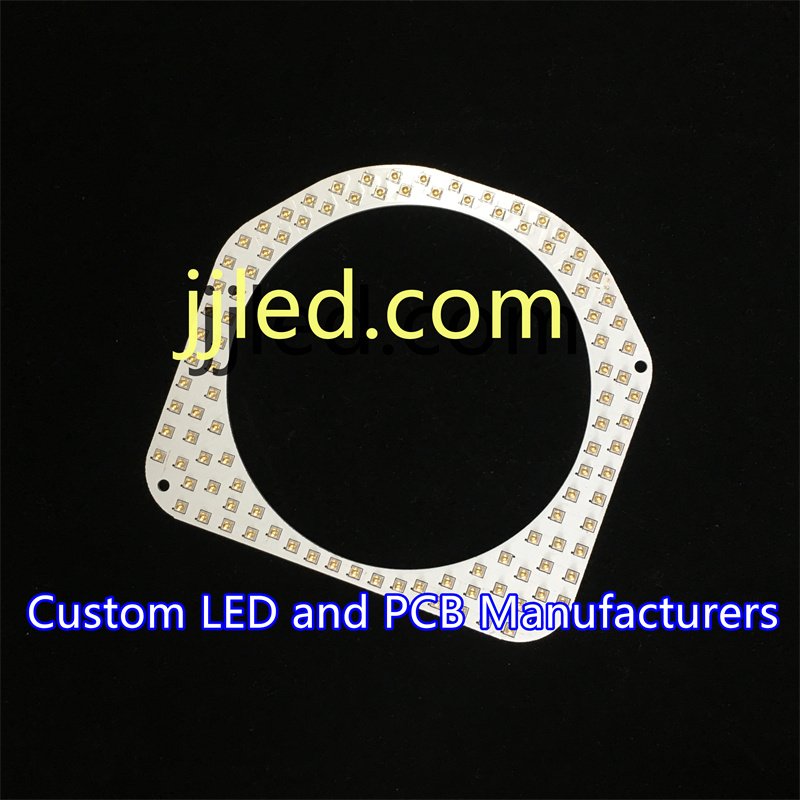
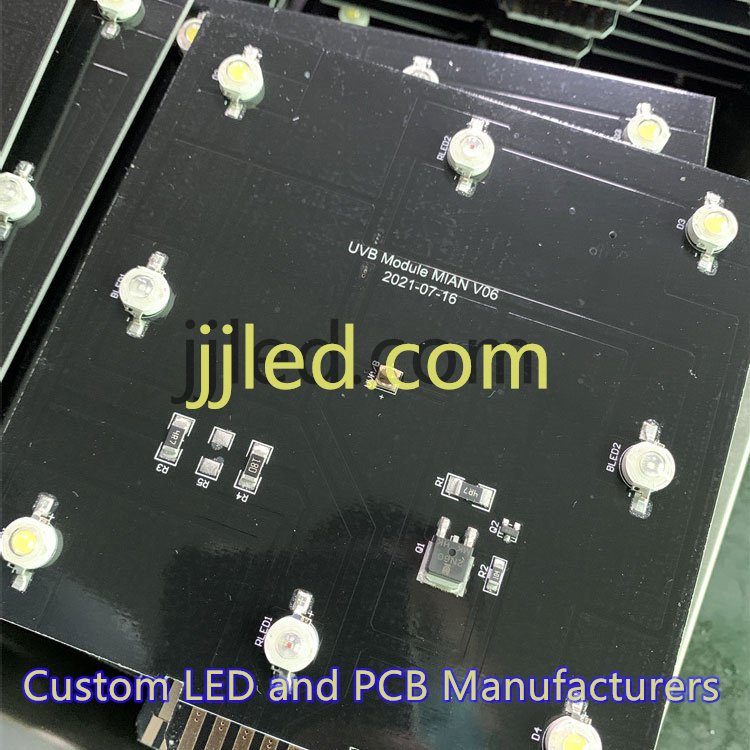
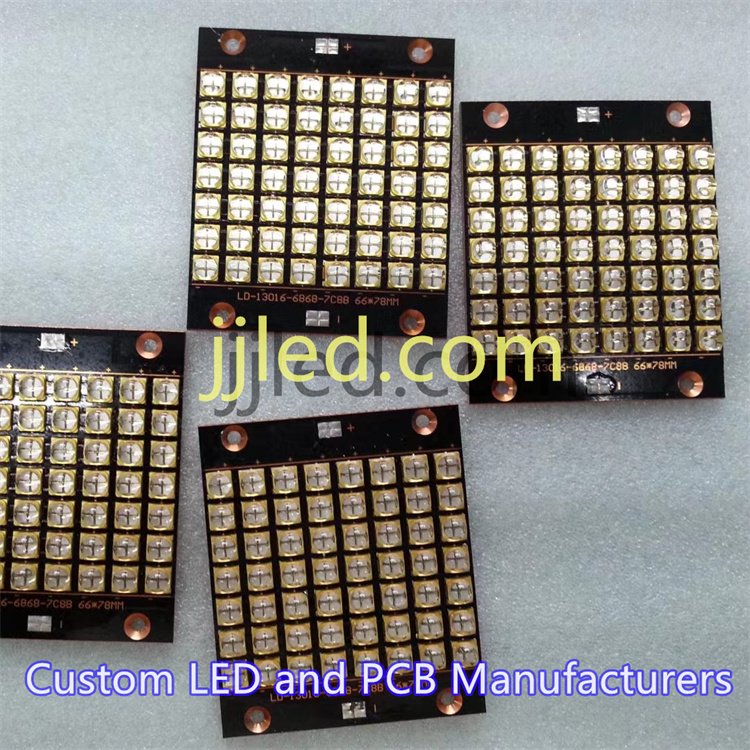
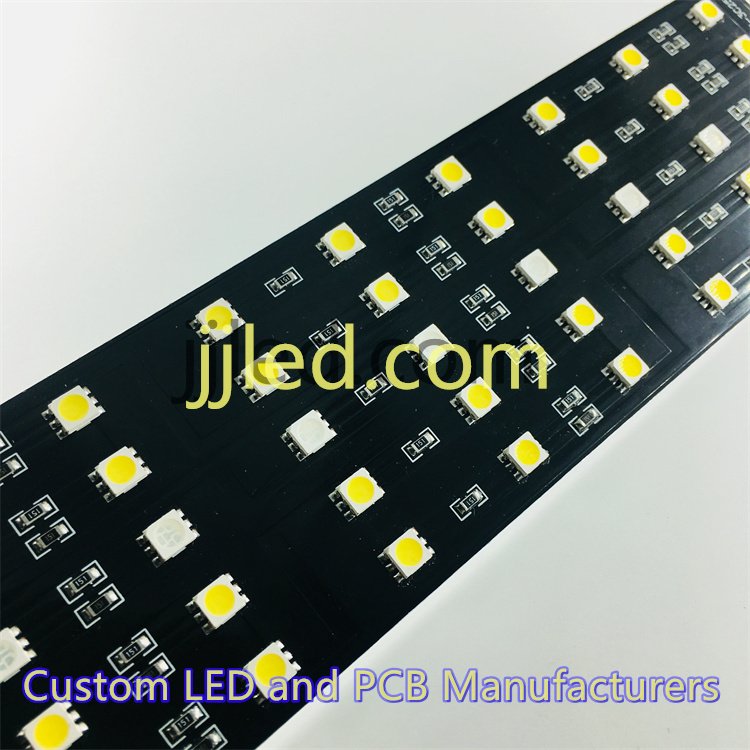
What Are Aluminum LED PCBs?
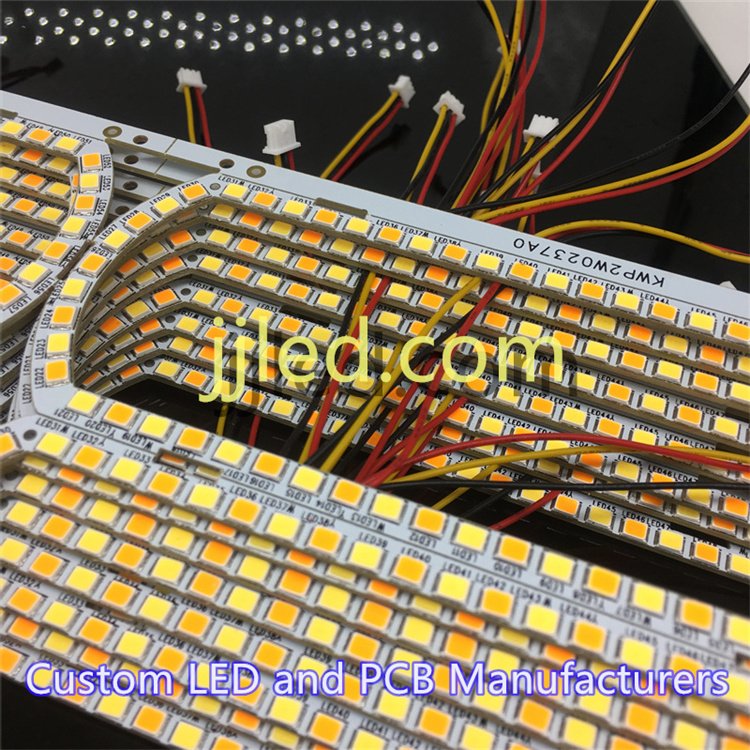
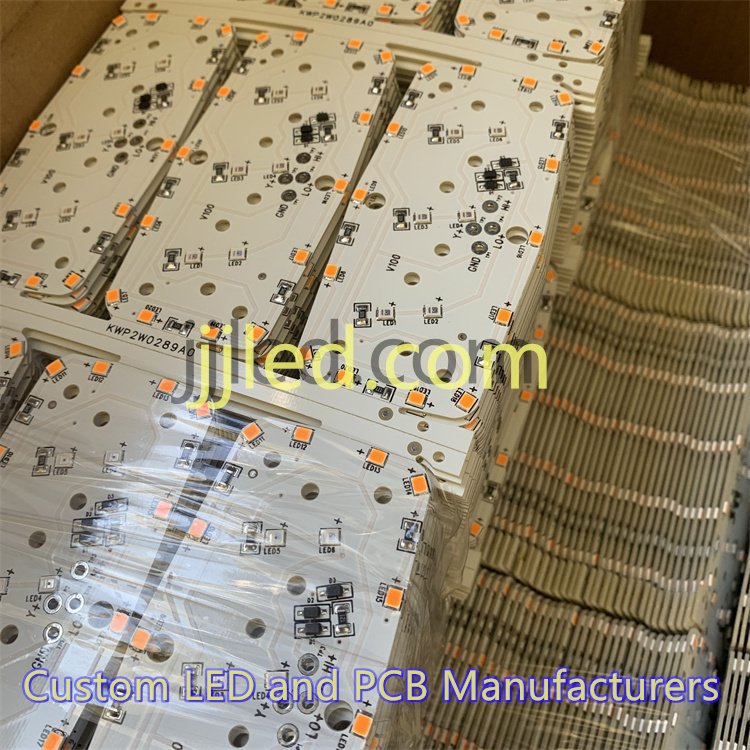
Aluminum LED PCBs, also known as metal core PCBs (MCPCBs) or insulated metal substrates (IMS PCBs), are specialized circuit boards designed to manage heat in high-power LED applications. Their basic structure features three primary layers: an aluminum base layer that provides excellent thermal conductivity, a dielectric layer that electrically insulates while transferring heat efficiently, and a copper circuit layer where the LED components and electrical traces are mounted.
Compared to standard FR4 PCBs, aluminum LED PCBs stand out especially in thermal performance. While FR4 is a fiberglass epoxy laminate with limited heat conductivity, aluminum substrates excel at dissipating heat from LEDs. This results in lower junction temperatures, improved LED efficiency, and longer lifespan. Their metal core structure also lends additional mechanical strength, making them ideal for demanding environments where FR4 Boards might fall short.
Key Advantages of Aluminum LED PCBs
Superior Thermal Management and Heat Dissipation
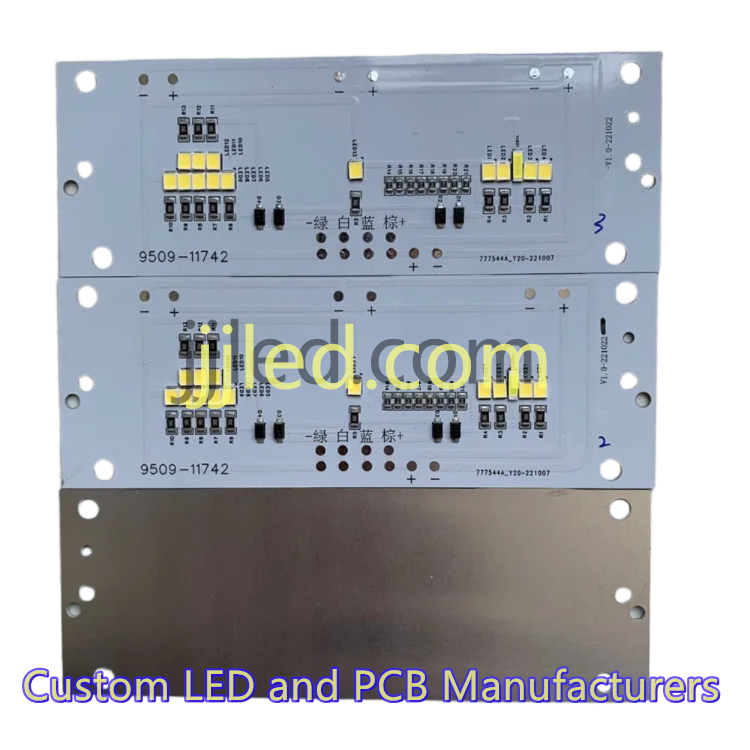
Aluminum LED PCBs excel at managing heat thanks to the high thermal conductivity of aluminum compared to standard FR4 material. While FR4 has a thermal conductivity around 0.3-0.4 W/m·K, aluminum shines at about 230 W/m·K. This means aluminum PCBs quickly pull heat away from the LED junction, keeping temperatures lower. Lower LED junction temperatures improve performance and reduce the risk of overheating.
| Feature | Aluminum LED PCB | FR4 PCB |
|---|---|---|
| Thermal Conductivity | ~230 W/m·K | 0.3–0.4 W/m·K |
| Heat Dissipation | Fast and efficient | Slow |
| LED Junction Temp | Lower | Higher |
Extended LED Lifespan and Reliability
By improving heat dissipation, aluminum PCBs reduce the risk of LED overheating, which cuts down on color shift, lumen degradation, and overall failure rates. This translates into longer-lasting LEDs with stable light output. Real-world studies show that LEDs with aluminum-based PCBs can last up to 50% longer than those on FR4 boards, making them more reliable for demanding applications.
Enhanced Durability and Mechanical Strength
Aluminum substrates add mechanical toughness that standard PCBs can’t match. They resist vibrations, shocks, and harsh conditions, making them ideal for outdoor lighting and automotive uses. The strong base means the LED circuits stay intact even in rough environments, boosting durability significantly.
Lightweight and Compact Design
Despite their strength, aluminum PCBs are lightweight compared to other metal core options, helping reduce the overall fixture weight. This is perfect when designing compact or portable LED systems. Their efficient heat spread also means less bulky cooling components are needed, saving space.
Cost-Effectiveness in the Long Term
Although aluminum LED PCBs can cost more upfront, they reduce maintenance and replacement expenses over time since LEDs run cooler and last longer. They also improve energy efficiency because LEDs operate optimally at lower temperatures, saving on power bills in the long run.
Environmental Benefits
Aluminum PCBs are recyclable, supporting eco-friendly manufacturing and disposal. Using aluminum-based LED boards encourages sustainable practices and backs the push for energy-efficient lighting systems worldwide.
In , aluminum LED PCBs offer excellent heat management, extend LED life, enhance durability, save space, cut long-term costs, and support environmental goals—all critical for modern LED applications.
Aluminum LED PCBs vs. FR4: A Detailed Comparison
When picking between aluminum LED PCBs (also called metal core PCBs or IMS PCBs) and standard FR4 boards, understanding their core differences helps make the right choice. Here’s a quick head-to-head look at these popular PCB types:
| Feature | Aluminum LED PCB (MCPCB) | FR4 PCB |
|---|---|---|
| Thermal Performance | Excellent heat dissipation thanks to aluminum base; keeps LED junction temperature low and stable | Poor thermal conductivity; heat builds up more, potentially reducing LED lifespan |
| Power Handling | Supports higher current and power loads without overheating | Limited power capacity; increased risk of overheating at high loads |
| Durability | Strong mechanical strength; better resistance to shock, vibration, and harsh environments | Less robust; can be prone to damage in rough conditions |
| Weight | Lightweight due to aluminum base, often thinner design possible | Slightly heavier and bulkier depending on layers used |
| Manufacturing Complexity | Slightly more complex due to multilayer aluminum and dielectric layers; often costs more upfront | Easier and cheaper to manufacture; widely used and readily available |
| Typical Use Cases | High-power LEDs, automotive, outdoor lighting, and applications needing strong thermal management | Lower power devices, general electronics, and applications not heavily dependent on heat dissipation |
| Cost Over Time | Higher upfront cost but lower maintenance and longer LED life leads to better total value | Lower upfront cost but possibly higher replacement and failure rates |
When to choose Aluminum over FR4
- Your LED design needs efficient heat dissipation to maintain brightness and lifespan.
- You’re working on high-power or intensive LED lighting, like streetlights or automotive lamps.
- The environment involves vibration, moisture, or rough handling — outdoor or industrial uses.
- You want a compact, lightweight design with strong durability.
When to stick with FR4
- Your LED project is low power with minimal heat concerns.
- You need a budget-friendly option for general electronics.
- Manufacturing simplicity and flexibility outweigh advanced thermal needs.
In short, aluminum LED PCBs far outperform FR4 in thermal management and durability, which is critical for many LED applications worldwide. However, FR4 keeps its place for lower-spec needs and tighter budgets. Knowing where your product falls helps you pick wisely.
Common Applications of Aluminum LED PCBs
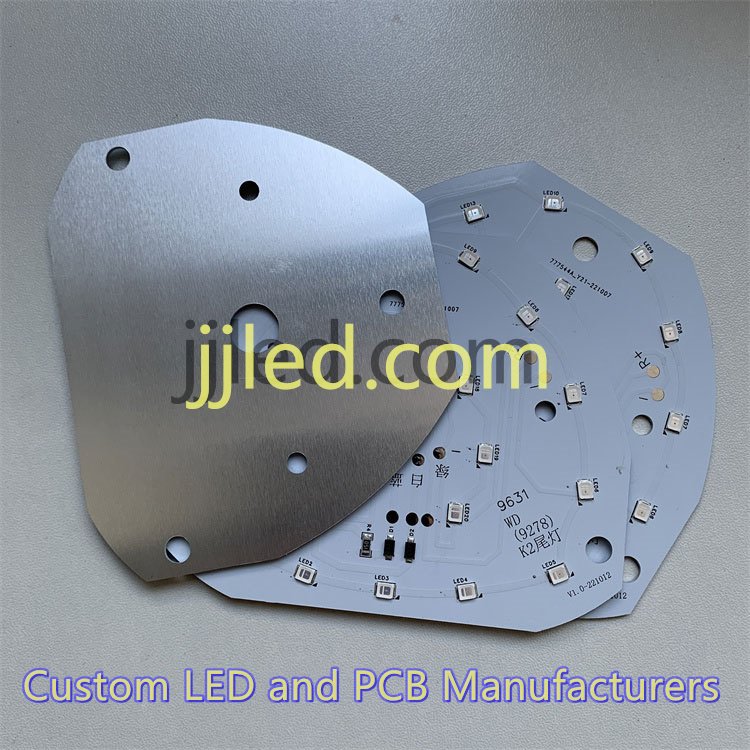
Aluminum LED PCBs are widely used where efficient heat management is a must. Here are some common areas where they really shine:
- High-power lighting: Streetlights, floodlights, and stadium lights rely on aluminum base PCBs to handle the high heat from powerful LEDs, ensuring consistent brightness and longer life.
- Automotive lighting: Headlights, brake lights, and signal lights benefit from the durability and thermal management of aluminum PCBs, which withstand vibration and extreme temperatures in vehicles.
- Indoor and outdoor decorative & industrial lighting: Whether it\’s architectural lighting, shop displays, or factory illumination, aluminum LED PCBs deliver reliable performance in various environments.
- Power supplies and electronics: Devices that generate heat need good heat dissipation, making metal core PCBs the ideal choice for managing temperatures and improving efficiency.
- Emerging applications: Consumer gadgets like smart lighting, wearable medical devices, and other compact electronics increasingly use aluminum substrate PCBs to combine lightweight design with strong thermal control.
Using aluminum LED PCBs lets manufacturers build lighting and electronic solutions that are more reliable, longer-lasting, and cooler running — which is exactly what today’s global markets demand.
Design and Manufacturing Considerations for Aluminum LED PCBs
When designing aluminum LED PCBs for the best results, a few key factors really matter:
- Dielectric Thickness: This layer separates the aluminum base from the copper circuit. Choosing the right thickness balances thermal conductivity and electrical insulation. Too thick reduces heat transfer; too thin risks electrical issues.
- Copper Weight: Thicker copper traces improve current carrying capacity and durability but add cost. For high-power LED PCBs, 35µm (1 oz) or more copper weight is common to handle heat and current effectively.
Choosing the Right Aluminum Grade and PCB Configuration
Not all aluminum bases are created equal. The purity and alloy type impact thermal conductivity and mechanical strength:
- Aluminum Grade: 6061 and 5052 are popular for LED PCBs, offering a good mix of heat dissipation and durability.
- PCB Configuration: Decide between single-layer, double-layer, or multilayer designs depending on your application’s complexity. Hybrid or flexible aluminum PCBs can suit special needs like curved fixtures or space constraints.
Working With Reliable LED PCB Manufacturers
Finally, partnering with a trusted LED PCB manufacturer can make a huge difference:
- Custom LED circuit PCB boards require precision in material selection, layer stacking, and quality control.
- Experienced suppliers help ensure your aluminum substrate PCB meets specific power, thermal, and mechanical requirements.
- Look for manufacturers offering prototyping, testing, and support tailored to your product’s unique demands.
Paying attention to these design and manufacturing details ensures your aluminum LED PCBs deliver consistent performance, longevity, and cost efficiency in your applications.
 English
  Spanish
  French
  Portuguese
  Italian