
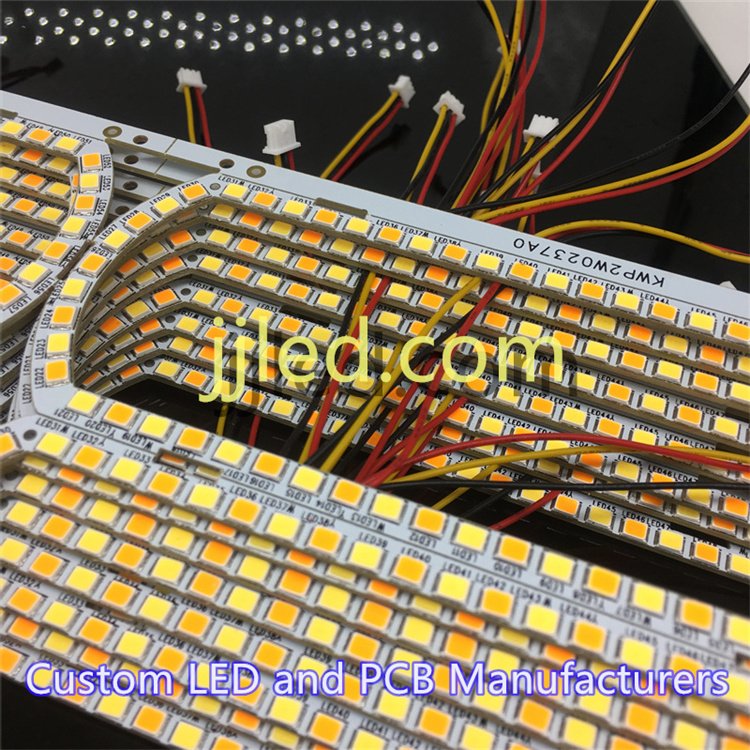
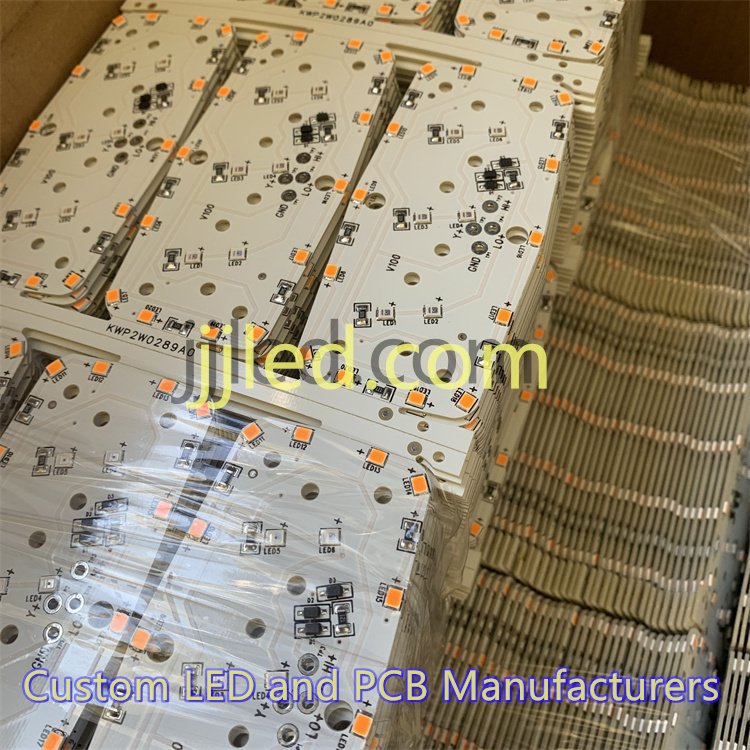
If you’re looking to get precise, flicker-free control over your LED lights, a PWM LED dimmer controller switch for LED lights is exactly what you need. Whether you’re upgrading home lighting, customizing vehicle interiors, or enhancing commercial spaces, understanding how PWM dimming works—and choosing the right controller—can make all the difference. This isn’t just about turning lights on and off; it’s about mastering brightness smoothly, saving energy, and extending LED lifespan. Ready to take your LED lighting setup to the next level? Let’s get into why PWM LED dimmers are the smart choice and how to pick the perfect one for your project.
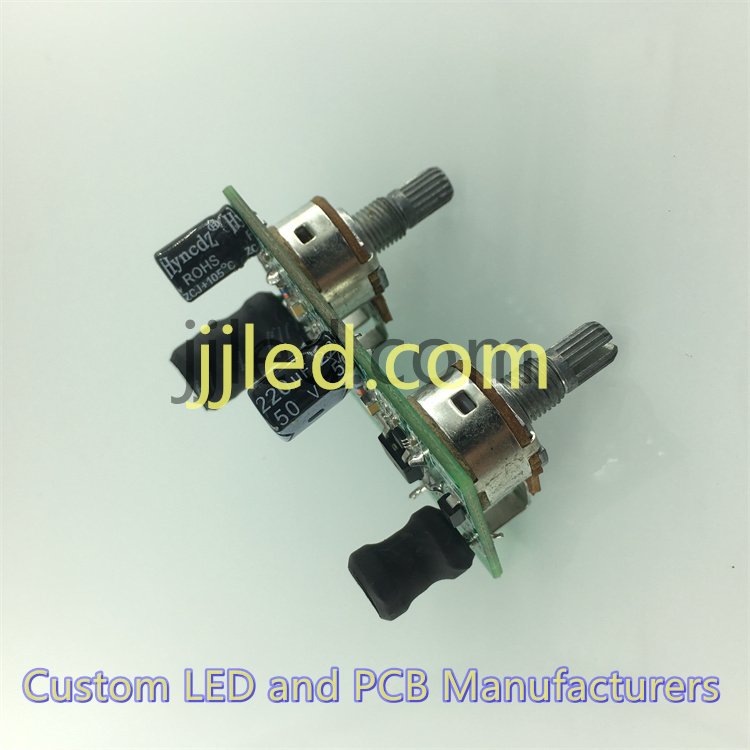
What is a PWM LED Dimmer Controller Switch?
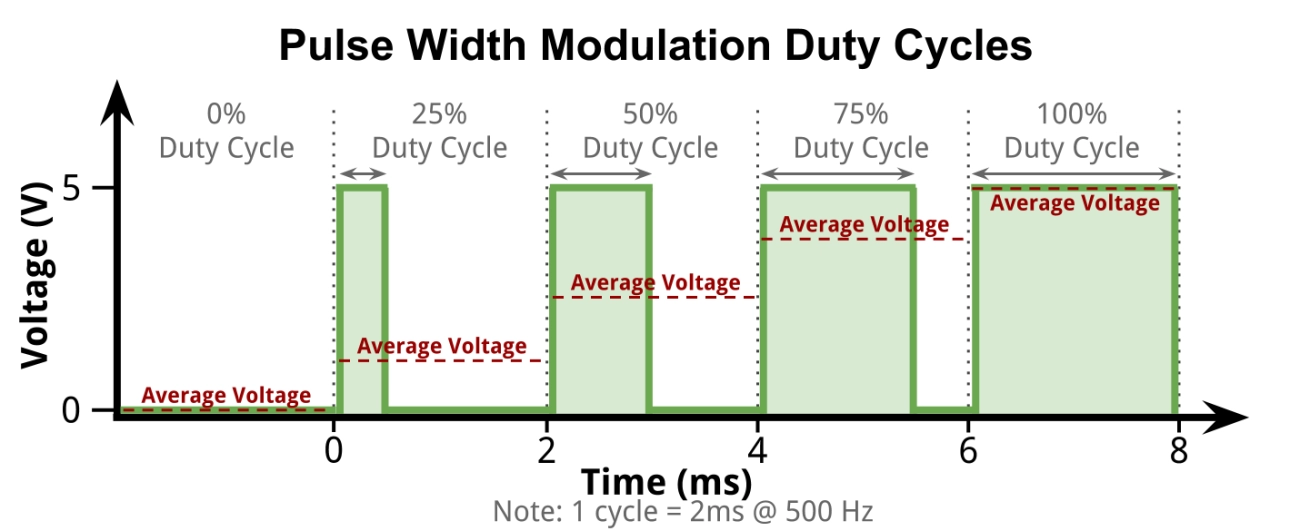
A PWM LED dimmer controller switch is a device that adjusts the brightness of LED lights using pulse width modulation (PWM) technology. PWM controls brightness by rapidly switching the LED on and off at a high frequency, changing the proportion of “on” time (called the duty cycle) to dim or brighten the light.
Understanding PWM and Brightness Control
- PWM (Pulse Width Modulation) means the LED receives power in pulses rather than a constant flow.
- By increasing or decreasing the pulse length within a fixed time frame, the LED’s perceived brightness changes smoothly.
- Unlike traditional analog dimming, which reduces voltage, PWM keeps the voltage steady but varies the pulse duration.
PWM vs Analog Dimming: Key Advantages
- No color shift: PWM maintains consistent LED color at all brightness levels, while analog dimming often causes color changes.
- Better efficiency: PWM dimming reduces power waste, extending both energy savings and LED lifespan.
- Flicker-free light: With correct frequency, PWM prevents flickering common in analog dimmed LEDs.
Key Components of a PWM LED Dimmer Controller Switch
- Input and output terminals: Connect to power source and LED light or strip.
- Control types: Include manual knobs, wireless remotes, or smart WiFi options for versatile brightness adjustments.
- Circuit board: Integrates PWM circuitry to manage the switching and duty cycle for smooth dimming.
Overall, a PWM LED dimmer controller switch offers reliable and efficient LED light brightness control, making it ideal for various LED strip dimmer switch applications, from single-color LEDs to high-power lighting setups.
How PWM Dimming Works for LED Lights
PWM, or Pulse Width Modulation, controls LED brightness by switching the LED on and off rapidly. The key here is the duty cycle, which refers to the percentage of time the LED is on during each cycle. For example:
| Duty Cycle | LED Brightness Level |
|---|---|
| 10% | Very dim |
| 50% | Medium brightness |
| 100% | Full brightness |
Because the LED switches on and off so fast—usually thousands of times per second—our eyes perceive a smooth dimming effect instead of flicker.
Benefits of PWM Dimming for LED Lights:
- No color shift: Unlike analog dimming, PWM keeps LED colors consistent at all brightness levels.
- Better efficiency: LEDs run cooler and more efficiently, especially at low brightness.
- Smooth control: Achieves flicker-free dimming from very low to full brightness.
Common PWM Frequencies:
| Frequency (Hz) | Effect |
|---|---|
| 1000 – 2000 | Standard flicker-free dimming |
| 5000+ | Virtually no flicker, best for eyes sensitive to flicker |
| Below 500 | May cause visible flickering |
Choosing the right frequency depends on your LED type and usage. Typically, 1kHz to 5kHz is ideal for most LED strip dimmer switches and controllers.
For an in-depth look at LED lighting designs, including PWM dimming integration, check out our LED light circuit board design.
Benefits of Using a PWM LED Dimmer Controller
Using a PWM LED dimmer controller switch offers several clear advantages for your LED lighting setups. Here’s why they are often the go-to solution:
| Benefit | Description |
|---|---|
| Flicker-free dimming | Smooth brightness control from 0-100% without annoying flicker, ideal for comfortable lighting. |
| Extended LED lifespan | PWM reduces stress on LEDs by avoiding excessive heat, helping them last longer and work better. |
| Energy saving | Efficient power use at low brightness levels, cutting your electricity costs. |
| Versatility | Works with LED strips, modules, and high-power LEDs across various voltages like 12V or 24V. |
| Ambiance control | Perfect for creating the right mood at home, in commercial spaces, or inside vehicles. |
PWM dimming is superior because it maintains consistent color and brightness without overheating your LEDs. This makes pulse width modulation dimmers suitable whether you want a knob LED brightness controller for simplicity or a wireless LED dimmer remote for convenience.
For those needing specialized setups, suppliers offer high-quality PWM LED dimmer controller circuit PCB boards that ensure both performance and durability. Check out advanced options that support smart home integration and multi-zone control to truly customize your lighting experience.
Explore our range of 12V LED dimmer controllers and DC LED dimmer 24V solutions engineered for diverse applications and high amperage needs, ensuring reliable and flicker-free LED light brightness control.
For more insights on manufacturing quality, you can also visit our specialized page on advantages of aluminum LED PCBs to understand how component design affects dimmer efficiency and heat dissipation.
Using a PWM LED dimmer switch isn’t just about brightness – it’s about getting the best life and performance out of your LED lights in any setting.
Key Features to Look for in a PWM LED Dimmer Switch
When choosing a PWM LED dimmer controller switch for your LED lights, keep these key features in mind to get the best performance and reliability:
| Feature | What to Check | Why It Matters |
|---|---|---|
| Voltage Range | Supports your LED setup (e.g., 12V, 24V) | Compatibility with your LED strip or modules |
| Amperage Capacity | Matches LED power draw (high amperage for big loads) | Prevents overload, ensures stable dimming |
| Control Types | Knob, wireless remote, WiFi smart dimmers | Choose based on convenience and installation style |
| Build Quality | Good heat dissipation, durable casing | Avoids overheating, extends device life |
| Waterproof Options | Important for outdoor or humid areas | Protects against moisture damage |
| Extras | Memory recall, multi-zone control, power supply compatibility | Enhances user experience and setup flexibility |
Control Type Options:
- Knob LED brightness controller – simple and direct, great for quick adjustments.
- Wireless LED dimmer remote – adds distance control, perfect for hard-to-reach setups.
- Smart WiFi LED dimmer – integrates into smart home systems, offers app control and automation.
Checking for these key specs ensures your PWM LED dimmer switch is reliable and a perfect fit for your lighting project. For more technical details on LED setups, you can explore our design considerations for LED circuit boards page.
How to Choose the Right PWM LED Dimmer Controller for Your LED Lights
Picking the right PWM LED dimmer controller switch comes down to matching it with your LED setup and your needs. Here’s a simple guide to help you out:
1. Assess Wattage and LED Type
- Check the total wattage of your LED lights to ensure the dimmer can handle the load.
- Know your LED type: single color, RGB, or modules, as some dimmers only work for specific types.
- For example, use a 12V LED dimmer controller for low voltage LED strips.
2. Compatibility Checklist
| Feature | What to Check | Why It Matters |
|---|---|---|
| LED Driver | Compatible with your LED power supply/driver | Prevents flicker and damage |
| Channels | Number of channels (single or multi-channel dimming) | Matches the lighting setup |
| Voltage & Current | Fits the operating voltage (12V, 24V, etc.) and amperage | Supports your LED load without overload |
3. Budget: Basic vs Smart Dimmers
- Basic PWM LED dimmers (knob or inline) are affordable and simple for standard LED strips or modules.
- Smart WiFi LED dimmers offer wireless control, scheduling, and multi-zone setups but cost more.
4. Common Mistakes to Avoid
- Choosing a dimmer with lower amperage than required causes overheating.
- Ignoring compatibility with LED drivers leads to flicker or limited dimming range.
- Overlooking installation type—wall-mount controllers won’t fit in all setups.
Taking time to match the dimmer with your LED type and power specs ensures smooth, flicker-free dimming and boosts your light’s lifespan.
For more on LED types and drivers, check out our detailed LED chip data sheets and explore more LED PCB options.
Installation Guide: Wiring and Setup
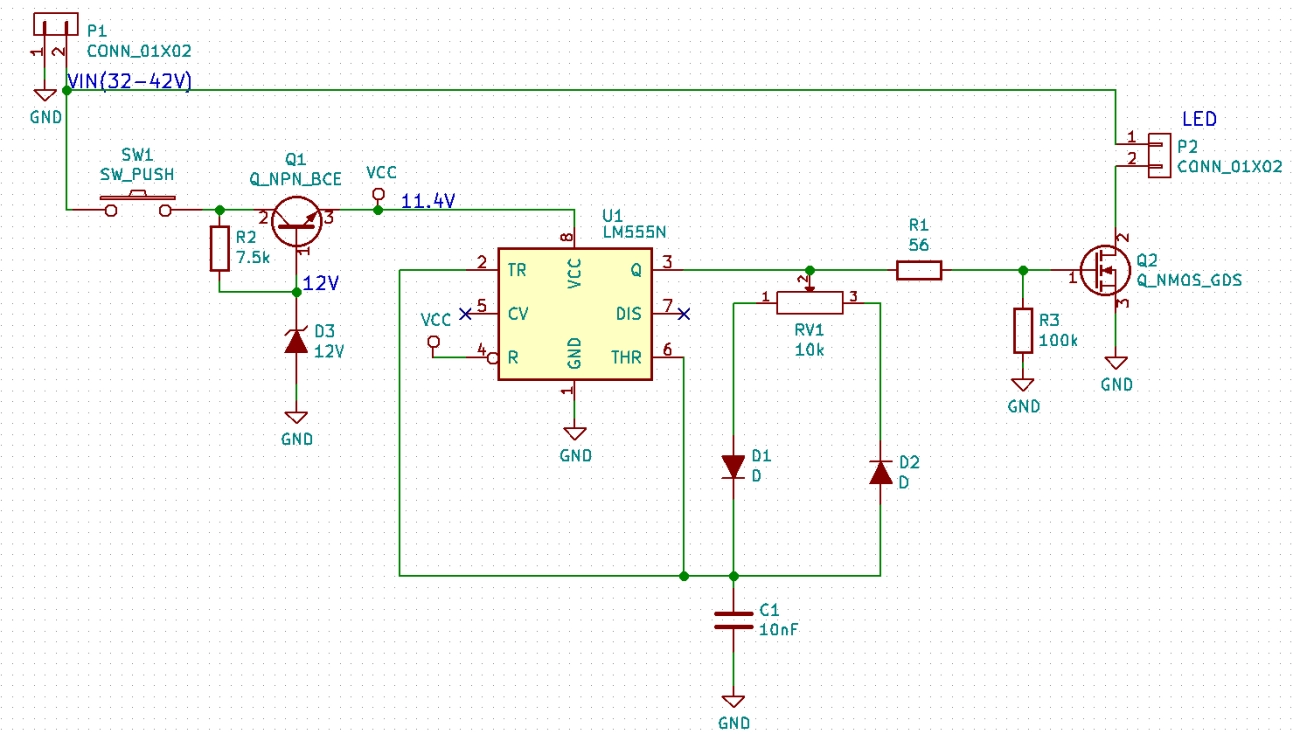
Installing a PWM LED dimmer controller switch for your LED lights is straightforward if you follow a few safety precautions and clear steps.
Safety Precautions and Tools
- Turn off power before starting.
- Use insulated tools to avoid electric shocks.
- Have a multimeter handy to check connections.
- Double-check your LED strip or module specs for compatible voltage (12V or 24V).
Basic Wiring Diagram and Flow
- Connect the power supply positive and negative leads to the dimmer’s input terminals.
- Connect the dimmer’s output terminals to the LED strip or modules.
- Ensure polarity matches strictly: positive to positive, negative to negative.
- For multi-channel setups (RGB or multi-zone), connect each channel correctly.
Step-by-Step Setup
- Knob LED brightness controller: Simply wire the power in and LEDs out, then turn the knob to dim.
- Wireless LED dimmer remote: After wiring, pair the remote following the manual to control brightness wirelessly without touching the controller.
- Wall mount LED dimmer: Mount the unit securely on the wall. Wire it to your power source and LED load, then use the preset controls or remote.
Troubleshooting Common Issues
- Flickering LEDs: Check for loose wiring or incompatible LED types/drivers.
- No response from dimmer: Verify correct wiring again and ensure your power supply meets the voltage and amperage needs.
- Overheating dimmer: Make sure your dimmer’s amperage rating fits your LED load. Install in a well-ventilated spot or consider heat sinking.
For detailed product-specific guides, check out our LED dimmer installation guide for reliable wiring diagrams and tips. Proper installation ensures flicker-free LED dimming and extends the life of your dimmer and LEDs.
Top Recommendations and Custom PWM LED Dimmer Options
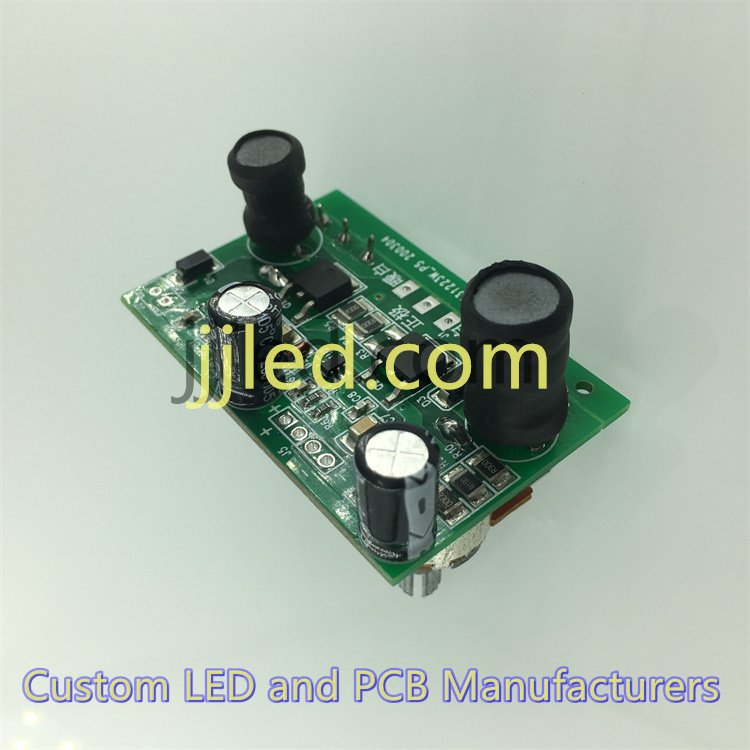
Choosing the right PWM LED dimmer controller switch depends on your specific needs—whether it\’s simple brightness control or advanced smart features. Here’s a quick look at popular models and custom options for LED lights:
| Model | Features | Pros | Cons | Best For |
|---|---|---|---|---|
| Inline PWM LED Dimmer | Compact, knob control | Easy to install, affordable | Limited control options | Single color LED strips |
| Wireless LED Dimmer Remote | Remote control, battery powered | Convenience, versatile mounting | Battery maintenance required | Residential, flexible setups |
| Wall Mount LED Dimmer | Knob or touch control | Sturdy, user-friendly interface | Fixed location | Home and commercial lighting |
| High Amperage LED Dimmer | Supports high current LEDs | Suitable for powerful LED modules | Larger size, pricier | Industrial/high-power strips |
| Smart WiFi LED Dimmer | App control, scheduling | Smart home integration, multi-zone | Requires WiFi setup | Modern smart homes, offices |
Custom PWM LED Dimmer Solutions
For unique projects or special applications, custom PWM LED dimmer controller switches can be tailored to:
- Fit unusual LED types or specific voltage/amperage requirements.
- Include multi-channel controls for RGB or addressable LED strips.
- Offer advanced features like memory settings, multiple dimming profiles, or waterproof housing.
Our PCB board manufacturing allows us to create reliable custom dimmers designed specifically for your LED setup, maximizing efficiency and user experience.
Where to Buy Reliable PWM LED Dimmer Controllers
When looking to purchase, choose manufacturers or suppliers with a solid track record in producing PWM LED dimmer controllers designed for durability and compatibility with various LED lights. For a wider choice of compatible LED strip components, check out options like our high-quality SMD 2835 LED chips, which work great with these dimmers.
Selecting a trusted brand ensures your LED lighting performs smoothly—whether for home, vehicle, or commercial use—getting you flicker-free, smooth brightness control every time.
Frequently Asked Questions about PWM LED Dimmer Controller Switches
Are PWM dimmers compatible with all LED lights?
Most LED lights, especially 12V LED strips and single-color LEDs, work well with PWM LED dimmer controller switches. However, compatibility depends on the LED driver and power supply type. Always check if your LED setup supports PWM dimming to avoid flickering or damage. For custom circuits or PCB board installations, choosing compatible components is key to smooth dimming performance.
What’s the difference between PWM dimming and triac dimming?
PWM dimming controls brightness by switching the LED power on and off rapidly (pulse width modulation), while triac dimming reduces voltage to the LED. PWM offers flicker-free LED dimming from 0 to 100% with no color shift, making it ideal for LED strips and modules. Triac dimmers work better with incandescent bulbs but can cause color changes and limited dimming range on LEDs.
How can I fix buzzing or limited dimming issues?
Buzzing sounds or limited dimming usually occur due to incompatible dimmer and LED driver combinations, incorrect wiring, or low-quality dimmer switches. Ensure you use a high amperage LED dimmer controller matched to your LED load. Using a wireless LED dimmer remote or knob controller from trusted suppliers can eliminate many setup problems. Check your installation carefully following a reliable LED dimmer installation guide.
Are smart PWM LED dimmers worth it?
Smart WiFi LED dimmers add convenience by allowing remote brightness control via smartphones or smart home systems. They often include memory settings, multi-zone control, and compatibility with various LED types. For large projects or those wanting advanced ambiance control, smart PWM dimmers are a valuable upgrade that saves energy and extends LED lifespan.
For a deeper dive into LED dimming technology and to explore quality PWM LED controllers and PCB boards, check out our specialized LED PCB solutions and product range tailored for LED lights.
 English
  Spanish
  French
  Portuguese
  Italian