

If you’re diving into the world of UVA and UVB light sources, knowing the difference isn’t just helpful—it’s essential. Whether you’re setting up a reptile enclosure, exploring phototherapy options, or optimizing grow lights, understanding how UVA vs UVB compare in wavelength, efficiency, and real-world use can save you time, money, and headaches. From traditional mercury vapor lamps to cutting-edge LED technology, each source offers unique strengths and limitations. In this guide, we’ll break down what sets UVA and UVB light sources apart and give you the insights you need to choose the perfect option for your specific needs. Let’s get started!
Fundamentals of UVA and UVB Radiation
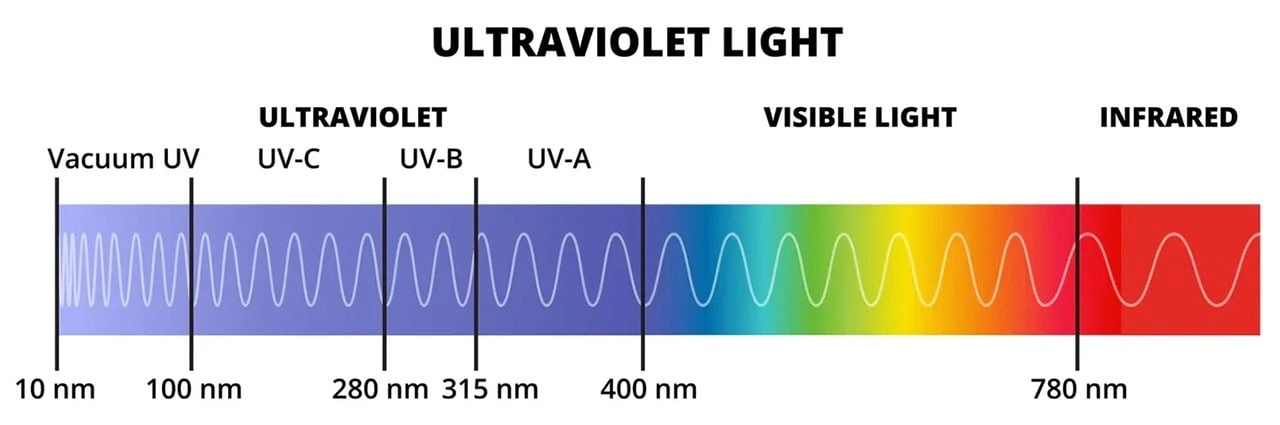
Understanding the basics of UVA and UVB light sources starts with their wavelength ranges and energy levels. UVA rays have longer wavelengths, typically between 320 and 400 nanometers (nm), meaning they carry less energy but penetrate deeper into materials and skin. In contrast, UVB rays fall in the 280 to 320 nm range, with higher energy levels but shallower penetration.
This difference in wavelength directly affects how UVA and UVB interact with biological tissues. UVA can reach the deeper layers of the skin, while UVB primarily affects the outer skin layers, playing a crucial role in processes like Vitamin D3 synthesis in reptiles and humans alike.
When comparing natural vs. artificial UV sources, the sun is the primary natural emitter of UVA and UVB rays. However, sunlight’s UV intensity varies based on factors like time of day, season, and location. Artificial UV sources, including traditional lamps and modern LEDs, offer controlled emission of UVA and UVB light. This control allows precise tailoring of wavelengths, essential for applications like reptile UVB lighting, phototherapy UVB lamps, and grow light UVB supplementation.
To :
- UVA wavelength range: 320–400 nm (lower energy, deeper penetration)
- UVB wavelength range: 280–320 nm (higher energy, shallow penetration)
- Natural UV sources: Sunlight, variable intensity
- Artificial UV sources: Fluorescent tubes, mercury vapor, metal halide lamps, LEDs with tailored emission
Understanding these fundamentals helps in selecting the right UVA or UVB light source for your specific application, whether it’s medical, industrial, or animal care.
Key Differences Between UVA and UVB Light Sources
When comparing UVA vs UVB light sources, understanding their biological effects, safety concerns, and efficiency is crucial.
Biological Effects and Roles
| Aspect | UVA Light | UVB Light |
|---|---|---|
| Wavelength Range | 315-400 nm | 280-315 nm |
| Biological Role | Supports mood, skin tanning; stimulates some behaviors in animals | Crucial for vitamin D3 synthesis in reptiles and humans; affects skin cell growth |
| Penetration | Deeper into skin and eyes | Mostly absorbed by the outer skin layers |
UVA helps simulate natural sunlight’s softer effects, while UVB is essential for processes like vitamin D3 synthesis in reptiles and humans.
Safety Considerations and Risks
- UVA is less harmful but can cause skin aging and eye strain over prolonged exposure.
- UVB poses a higher risk of sunburn, skin damage, and eye problems with too much exposure.
- Proper dose control and shielding are important for both, especially in enclosed spaces like reptile tanks.
Efficiency and Output of UV LEDs Sources
| Feature | Traditional UVA/UVB Lamps | Modern UVA/UVB LED Sources |
|---|---|---|
| Energy Efficiency | Moderate to low | High (lower power consumption) |
| Output Stability | Varies; often less consistent | Precise, stable spectrum output |
| Heat Generation | High, can affect enclosure temps | Low heat, safer for sensitive setups |
| Lifespan | 6-12 months (fluorescent) | 20,000+ hours |
Modern LED UVA and UVB sources offer better control, longer lifespan, and safer, more efficient output compared to traditional mercury vapor or fluorescent tubes.
By knowing these key differences, you can better match your UV needs—whether it’s reptile health, medical phototherapy, or industrial use—while keeping safety and cost-efficiency in mind.
Common Applications of UVA and UVB Light Sources
UVA and UVB light sources serve different but important roles across various fields, thanks to their distinct wavelengths and effects.
Reptile and Amphibian Enclosures UV Needs
Reptiles and amphibians rely on UVB light for vitamin D3 synthesis, which is essential for calcium absorption and overall health. UVA helps stimulate natural behaviors like feeding and reproduction. That’s why UVB light sources, often mercury vapor or fluorescent UVB bulbs, are standard in reptile UVB lighting setups. For balanced care, many enclosures use combined UVA and UVB lamps or LED UVB bulbs that simulate natural sunlight.
Phototherapy and Medical Uses
UVB is widely used in medical treatments such as phototherapy for skin conditions like psoriasis and vitiligo. Narrowband UVB lamps provide effective treatment while minimizing risks. UVA light also plays a role, especially in combination with photosensitizing drugs in PUVA therapy. These applications rely on precise wavelength control, often achieved using modern LED UVB efficiency technology.
Plant Cultivation and Grow Lights
UVB supplementation in grow lights can improve plant defense mechanisms and increase secondary metabolite production, enhancing quality. UVA LEDs are popular in horticultural lighting to promote plant growth cycles and flowering. Grow light UVB supplementation is especially useful for indoor farms aiming for natural-like UV exposure.
Industrial Applications: Curing and Testing
Both UVA and UVB light sources are essential in industries for curing adhesives, inks, and coatings. UV curing sources, including metal halide lamps and newer UVA LED bulbs, offer fast, efficient curing with lower heat output. UV testing in electronics and materials testing often uses specific UVA or UVB wavelengths to check quality or durability.
By understanding these common applications, choosing the right UVA or UVB light source becomes easier, especially as LED technology offers tailored solutions fitting every need.
Types of UVA and UVB Light Sources
When it comes to UVA vs UVB light sources, there are traditional and modern options to consider. The most common traditional UVB light sources include fluorescent tubes, mercury vapor lamps, and metal halide lamps. These have been around for years and widely used, especially in reptile UVB lighting and phototherapy.
Traditional UVA and UVB Lamps
- Fluorescent tubes: Popular for their affordable price and decent UVB output. They provide a broad spectrum but tend to lose efficiency over time and need regular replacement.
- Mercury vapor bulbs: Known for strong UVB intensity and UVA output. They emit more heat, which helps in reptile enclosures but can be a downside for sensitive setups.
- Metal halide lamps: Offer high UV intensity with good penetration. They consume more power and generate heat, making cooling important.
Pros
- Proven track record
- Relatively low upfront cost
- Widely available
Cons
- Less energy efficient
- Shorter lifespan compared to LEDs
- Heat generation can be an issue
- UV output degrades over time
Modern LED UVA and UVB Sources
In recent years, LED UVA LED bulbs and UVB LEDs have become popular due to their efficiency and longer service life. They provide more precise wavelengths, useful in targeted applications like vitamin D3 synthesis for reptiles or narrowband UVB phototherapy.
Advantages of LED UV sources:
- Lower energy consumption
- Longer lifespan (20,000+ hours)
- Less heat output
- Compact and durable
- More stable UV output over time
Disadvantages of LED UV sources:
- Higher initial cost
- Some LEDs have limited maximum UV intensity
- Quality varies—choosing reliable manufacturers is key
Hybrid and Combination Bulbs
Some products now combine UVA and UVB in a single bulb to simplify setups, especially for reptile enclosures and horticulture. These hybrid bulbs help provide a balanced UV spectrum but sometimes compromise on peak intensity for each band.
Choosing between these types depends on your needs for UV output, heat management, energy efficiency, and budget. As manufacturers and suppliers of custom UV LED PCB boards, we recommend assessing each light source’s pros and cons carefully to match your specific application.
Direct Comparison of UVA vs. UVB Light Sources
When comparing UVA vs UVB light sources, several factors come into play: spectrum accuracy, energy efficiency, lifespan, and cost. Here\’s a quick breakdown to help you see how they stack up in real-world use.
| Feature | UVA Light Sources | UVB Light Sources |
|---|---|---|
| Spectrum Accuracy | Stable output with narrowband UVA LED bulbs; ideal for reptile and plant growth lighting | UVB output can vary; narrowband UVB LEDs improve accuracy for phototherapy and reptile needs |
| Output Stability | Consistent over lifespan, less drop-off compared to traditional lamps | Traditional UVB bulbs can lose strength quickly; LED UVB better maintains output |
| Energy Efficiency | High efficiency in modern UVA LEDs; lower heat generated | UVB LEDs more efficient than older mercury vapor bulbs but generate more heat than UVA LEDs |
| Heat Output | Lower heat, safer for close proximity use | Higher heat requires proper placement and cooling |
| Lifespan | 25,000+ hours typical for LEDs; stable brightness throughout | LED UVB lifespan improving (20,000+ hours); traditional lamps shorter (6,000-10,000 hours) |
| Maintenance | Minimal; LEDs require less replacement and maintenance | Traditional UVB bulbs need more frequent changing due to output decline |
| Cost (Initial) | Generally higher upfront cost for quality UVA LEDs | UVB LEDs costly but dropping; traditional bulbs cheaper initially |
| Cost (Long-term) | Lower due to energy savings and fewer replacements | Higher due to more frequent lamp replacements and energy use |
Key Takeaways
- UVA LEDs offer better energy efficiency and longer lifespan with stable spectrum output.
- UVB sources vary more widely; LED UVB lamps are catching up but often cost more upfront.
- Traditional UVB bulbs like mercury vapor and fluorescent tubes remain common but require regular replacement and produce more heat.
- For precision UVB needs (like phototherapy or reptile care), narrowband LED options provide the best output accuracy.
Understanding these differences helps you choose the right UV source for your application, balancing cost, efficiency, and performance.
Choosing the Right UVA or UVB Light Source

Picking the right UVA or UVB light source depends on a few key factors. First, think about the application — are you lighting a reptile enclosure, a medical setup, or using it for plant growth? Each use demands different UV output and wavelengths. Next, consider the enclosure size or area you need to cover. Larger spaces need stronger or multiple UVB light sources to ensure proper coverage.
The species needs also matter a lot. For reptiles, for example, UVB is crucial for Vitamin D3 synthesis, which helps with calcium absorption. Some species require higher UVB levels, so make sure your light matches those needs. For amphibians or plants, UVA might be more important.
To ensure accuracy, it’s smart to use a UVB meter to measure the output of your lamps. This helps verify if the bulbs are still effective since UV output drops over time.
Reliable UVA and UVB light product recommendations for 2026:
- LED UVB bulbs – Offer stable output, long lifespan, and energy efficiency. Ideal for focused reptile UVB lighting.
- Fluorescent UVB tubes – Good for larger enclosures; cost-effective but need more frequent replacement.
- Mercury vapor UVB bulbs – Strong output, combine UVA and UVB, great for bigger setups but generate more heat.
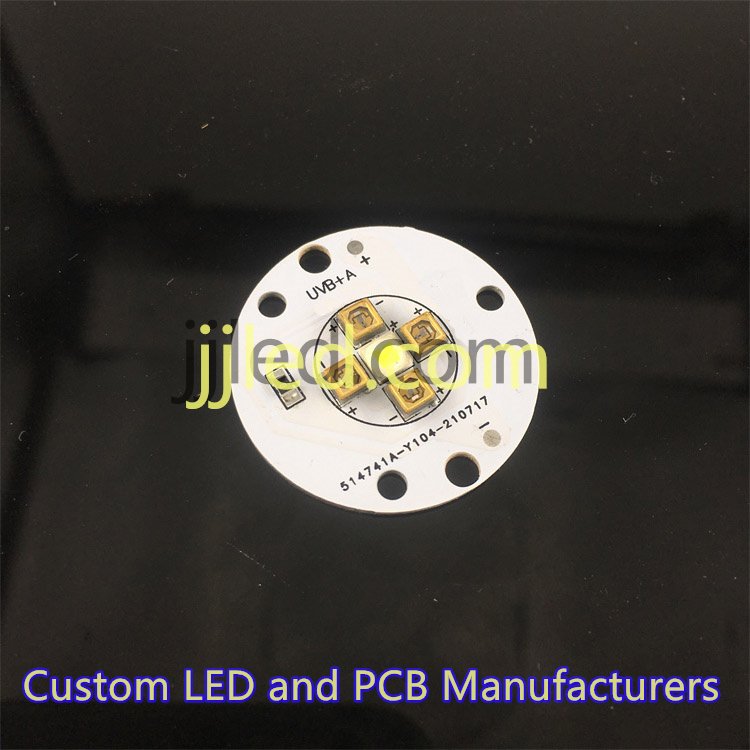
- Custom UV LED PCB boards – Best for tailored solutions. You can get exact wavelengths and heat management to match your application perfectly.
By weighing these factors—application, space, species, and output—you’ll find your perfect UVA or UVB light source for 2026 and beyond.
Custom Solutions for UVA and UVB Lighting
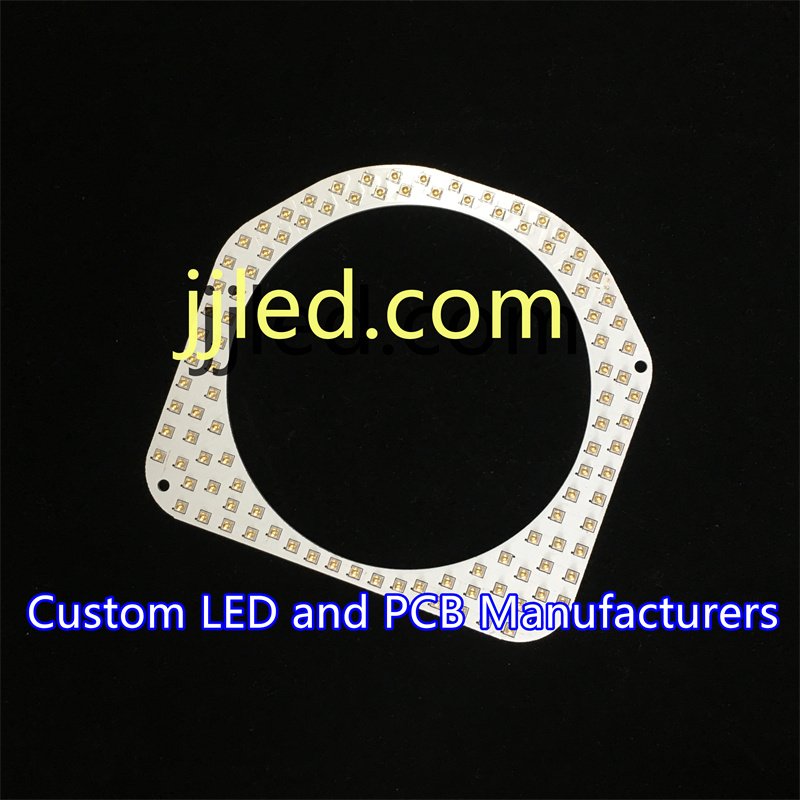
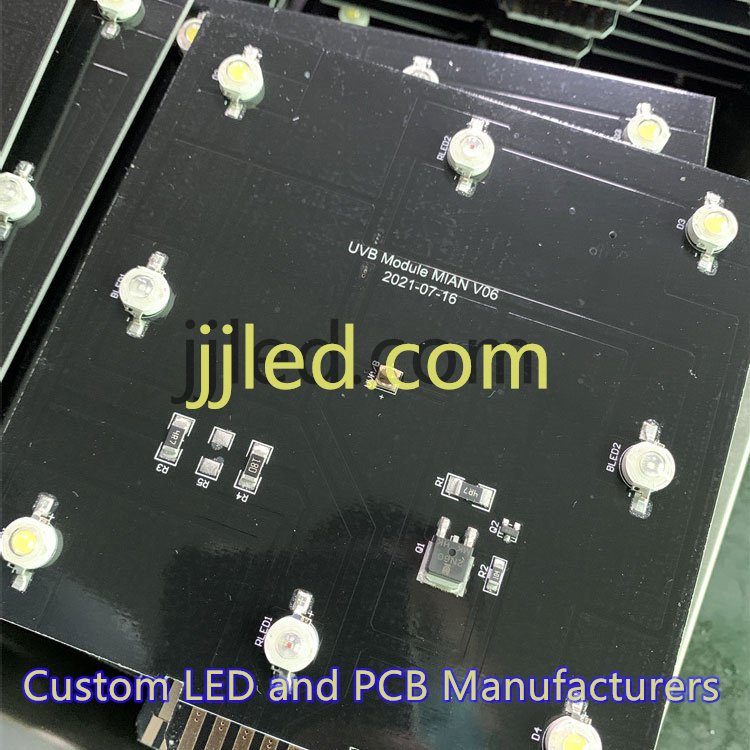
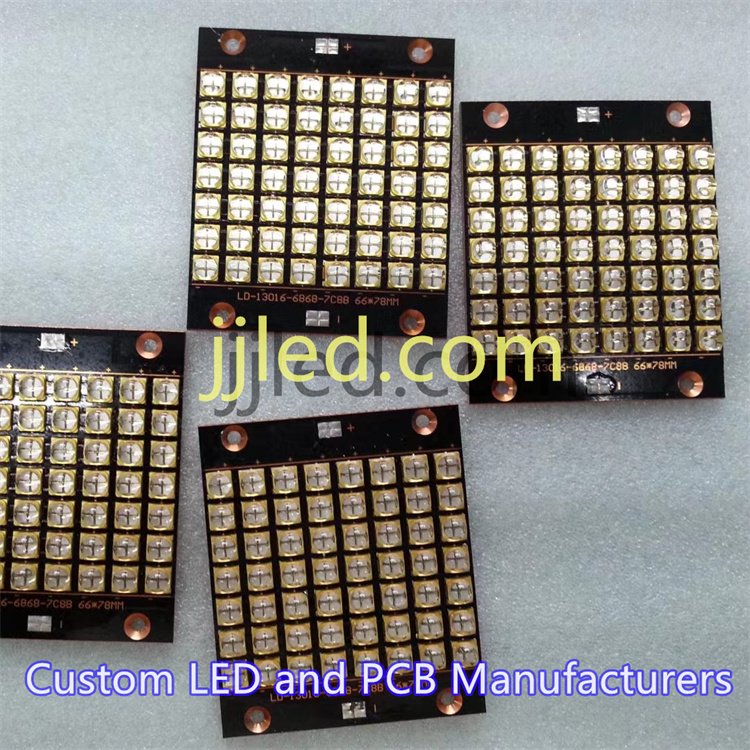
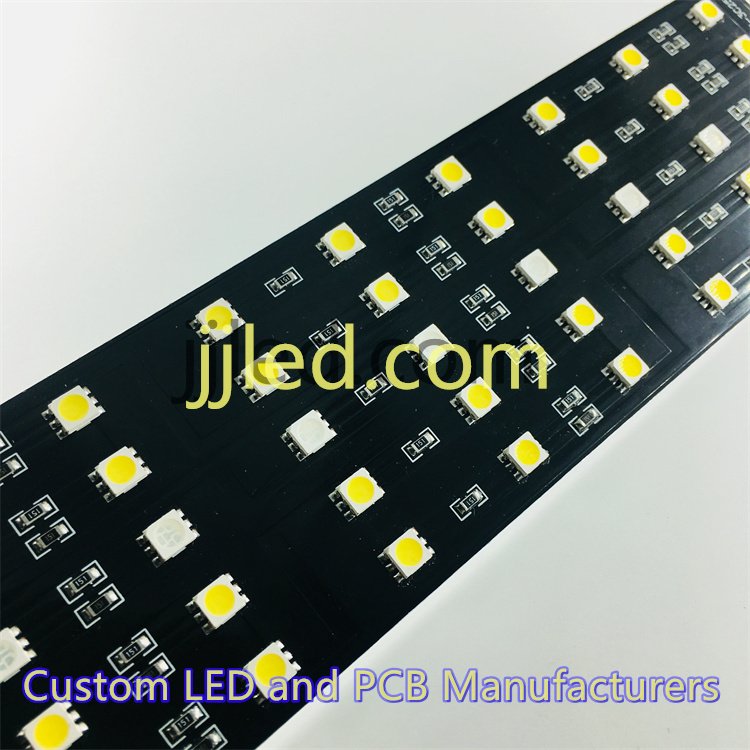
When it comes to UVA and UVB LED light sources, custom PCB design plays a crucial role. Off-the-shelf options might not fit every need, especially if you\’re targeting specific applications like reptile UVB lighting or UV curing. Here’s why a custom UVA and UVB LED light circuit PCB board stands out:
Why Custom PCBs Matter
- Tailored Wavelengths: Custom PCBs let us select exact LED chips to emit specific UVA or UVB wavelengths, ensuring better spectrum accuracy for vitamin D3 synthesis in reptiles or precise phototherapy needs.
- Heat Management: Proper PCB design includes smart heat dissipation, extending LED lifespan and maintaining output stability. Avoid overheating issues common in generic boards.
- Durability and Reliability: Custom boards use quality materials and layouts, making them more resistant to environmental factors like humidity or vibrations in industrial setups.
- Flexibility: We can design hybrid boards combining UVA and UVB LEDs on a single PCB, ideal for growers or pet owners needing broad-spectrum UV exposure.
Benefits Overview
| Feature | Custom UVA/UVB LED PCB Boards | Standard UV LED Boards |
|---|---|---|
| Wavelength Precision | High (tailored for specific output) | Moderate (fixed LED chips) |
| Heat Dissipation | Optimized with cooling layers | Often minimal, risk of overheating |
| Durability | Enhanced PCB materials, protected layouts | Varies, less resistance to wear & tear |
| Integration | Easy to mix UVA and UVB LEDs on one board | Usually separate boards needed |
| Lifespan | Longer due to better design and thermal control | Shorter if heat not managed |
Choosing the right custom UVA and UVB LED PCB is key for efficient, reliable lighting solutions worldwide. Whether for phototherapy lamps, grow lights, or reptile UVB setups, a well-designed custom board improves performance and reduces long-term costs.
If you’re looking for tailored UV LED circuit boards, focusing on custom UV LED PCB design ensures you get exactly the light your application demands — with better heat management and durability than off-the-shelf options.
Safety and Best Practices for UVA and UVB Light Sources
When working with UVA and UVB light sources, safety comes first. Both types of UV light can affect skin and eyes, so it’s key to follow exposure guidelines to protect yourself and your animals.
Exposure Guidelines for UVA and UVB
- Limit direct skin and eye exposure to prevent burns or irritation. UVB, in particular, is stronger and can cause more damage in shorter time.
- Use timers or UV sensors to control how long your light sources operate, especially in reptile enclosures or phototherapy setups.
- Keep the distance right. Placing UVB bulbs too close can increase risk of overexposure, impacting health negatively.
Proper Installation Tips
- Install UV lights where they can\’t be touched or looked at directly—this cuts down risks.
- Make sure your fixtures have good ventilation to avoid heat buildup, which lowers lifespan and can cause failures.
- Use reflectors or diffusers wisely to spread UV light where needed without hotspot damage.
Replacement Schedules
- Replace UVB bulbs every 6 to 12 months depending on usage and bulb type—mercury vapor and fluorescent tubes lose output over time even if they still light up.
- For LED UVA and UVB sources, monitor performance regularly; LEDs last longer but can dim slowly, so scheduled checks help maintain efficiency.
- Always buy from reliable suppliers who provide clear lifespan info and safety standards for their UV light sources.
Following these safety and maintenance tips helps you get the most out of your UVA and UVB light sources, keeping everyone safe and healthy.
FAQs: LED vs Traditional UVB Bulbs and Combined UVA/UVB Effectiveness
How often should I replace LED UVB bulbs compared to traditional ones?
LED UVB bulbs last much longer than traditional fluorescent or mercury vapor UVB light sources. Typically, LED UVB lights can operate efficiently for 20,000 to 50,000 hours, while traditional UVB bulbs often need replacement every 6 to 12 months to maintain proper output. Over time, traditional bulbs lose UVB intensity faster, so regular replacement is crucial.
Are combined UVA/UVB bulbs as effective as separate UVA and UVB sources?
Combined UVA and UVB bulbs can simplify setup, providing both UVA and UVB wavelengths in a single fixture. However, the UVB output in combo bulbs is often lower compared to dedicated UVB sources, which may matter for species or applications requiring higher vitamin D3 synthesis or precise phototherapy. For many reptile UVB lighting needs, a dedicated UVB light paired with UVA is still the better choice.
What are common user questions about UVA vs UVB light sources?
- Can I use UVA light alone for my reptile or plant?
No, UVA is important for behavior and health but doesn’t help with vitamin D3 production like UVB does. - How do I measure if my bulb is working well?
Using a UVB meter is the best way to check real UV intensity and ensure your source meets your needs. - Are LED UVB lights more energy efficient?
Yes, LED UVB efficiency is higher, producing less heat and using less electricity compared to traditional mercury vapor or fluorescent UVB bulbs. - Is it safe to use mercury vapor UVB bulbs indoors?
They provide high UVB output but emit more heat and need careful installation to avoid safety risks.
If you’re looking for reliable UVA LED bulbs or UVB light sources, understanding these points helps you pick the right option for your setup—whether for reptile enclosures, phototherapy, or grow lights. For 2026, LED UVB and customized UV LED PCB boards stand out for durability and consistent output.
 English
  Spanish
  French
  Portuguese
  Italian