
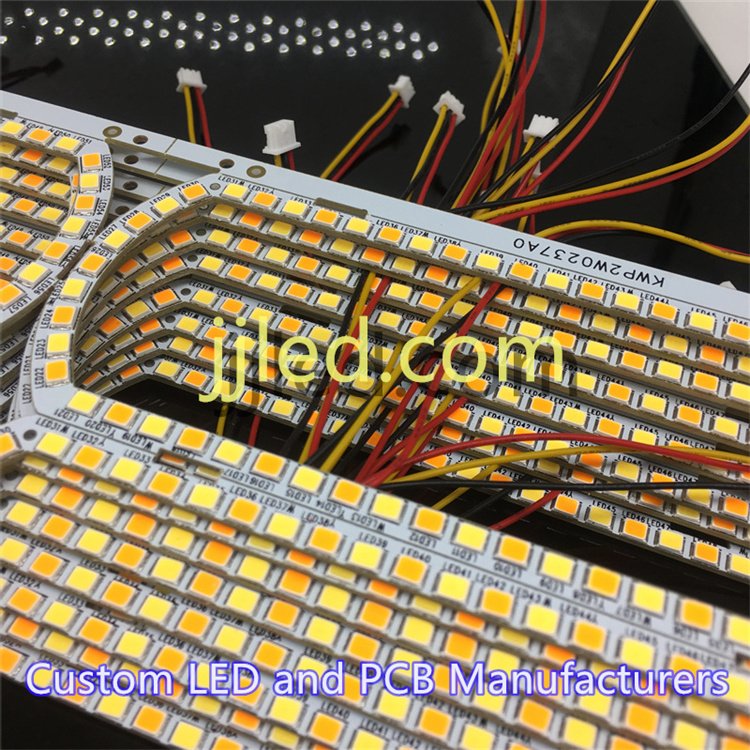
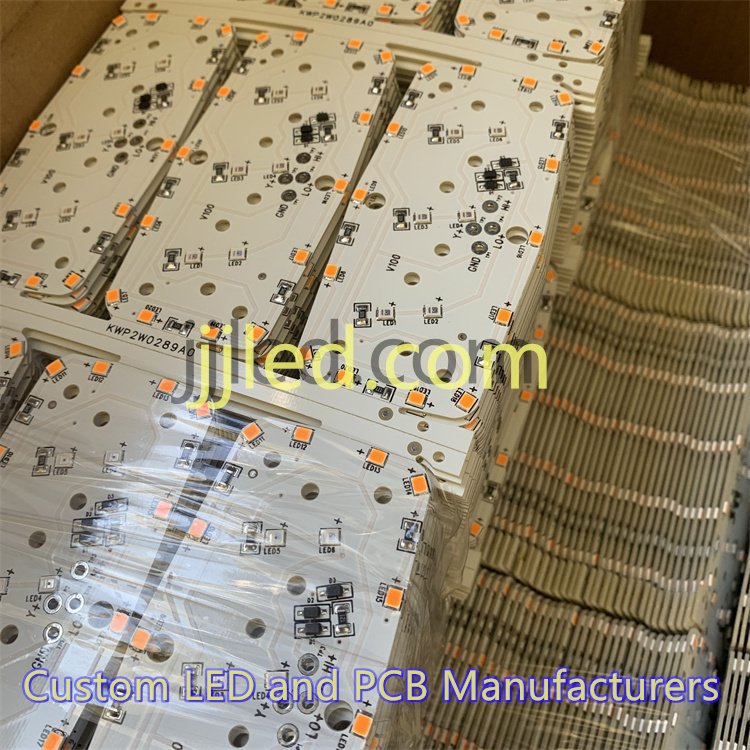
If you’re searching for a custom LED board, you’re likely past the basics and ready to create something that fits your exact project needs—whether it’s for architectural lighting, automotive applications, or high-performance signage. Designing and ordering fully tailored LED PCBs unlocks precision in size, layout, thermal management, and materials, giving you unmatched control over performance and cost. In this guide, you’ll discover everything crucial about custom LED boards in 2026: from smart design tips and key specifications to navigating the manufacturing process with trusted suppliers. Ready to build LED boards that truly shine? Let’s get started.
Key Advantages of Custom LED Boards Over Standard Solutions
When you choose a custom LED board, you’re getting much more than a one-size-fits-all product. Here’s why custom designs outperform standard LED PCBs every time:
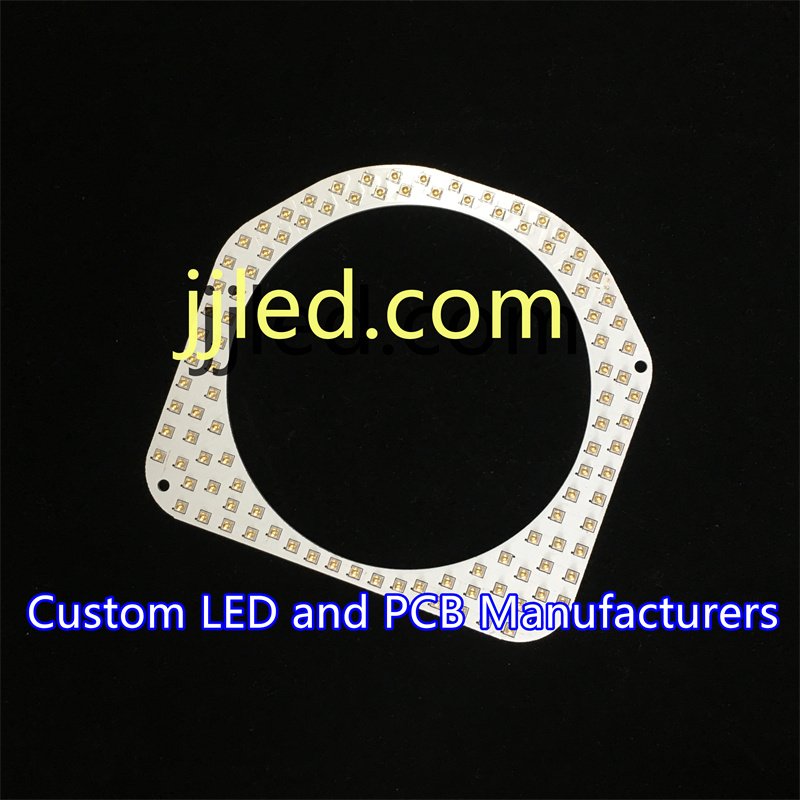
- Perfect Fit for Unique Mechanical Designs: Custom boards are made to match your exact mechanical constraints. Whether your project requires odd shapes, mounting holes, or specific size limits, a custom LED PCB ensures a seamless fit that off-the-shelf boards simply can’t offer.
- Optimized Thermal Performance and Lifespan: Thermal management is critical for LED reliability. Custom LED boards allow you to tailor materials, copper thickness, and heat dissipation paths precisely to your power and heat requirements—resulting in longer-lasting, stable LED operation.
- Exact LED Placement, Binning, and Color Consistency: Maintaining LED color uniformity requires precise placement and careful bin selection. Custom PCBs ensure tight control over LED spacing and orientation, guaranteeing consistent light output and color temperature across the entire board.
- Cost Savings at Medium-to-High Volumes: While custom LED PCBs may have higher upfront costs, scaling production reduces per-unit price significantly. By eliminating waste and improving assembly efficiency with your exact specifications, custom boards often cost less than standard options in larger batches.
Bottom line: A custom LED PCB is your solution when you need precise fit, superior thermal management, consistent light quality, and scalable cost-efficiency. It’s the proven choice for serious LED projects demanding high performance and reliability.
Essential Specifications You Must Define Before Ordering
Before you order a custom LED board, getting your specs right is key. Here’s what you need to define:
| Specification | Options & Notes |
|---|---|
| Board Material | Aluminum PCB (MCPCB) – best for heat dissipation FR4 – budget-friendly Ceramic – high thermal performance Flexible – for bendable applications |
| Copper Thickness | Common choices: 1oz, 2oz, 3oz+ Thicker copper = better current handling and heat spread |
| Thermal Conductivity | Typically 1 to 8 W/m·K Higher means better heat dissipation |
| Surface Finish | HASL – basic solderability ENIG – gold finish, long shelf life OSP – lead-free, eco-friendly |
| LED Footprint & Layout | Choose LED types like SMD 2835, 5050, COB, RGB Lay out for exact placement and function |
| Shape & Size | Standard round, rectangular, or custom shapes with cutouts or V-grooves |
| Layer Count | Usually single or double layer More layers rare but needed for impedance control |
| Impedance Control | Needed only in very specific high-frequency or automotive LED boards |
Getting these clear upfront helps your custom LED PCB land exactly as you expect — no surprises, better performance.
Design Tips & Best Practices for High-Performance Custom LED Boards
To get the most from your custom LED board, you need to focus on smart design choices. Here are some key tips that help improve performance and reliability:
- Thermal Pad Design & Heat Dissipation: Make sure thermal pads are sized and placed for optimal heat flow. Good heat dissipation paths keep LED junction temperatures low, extending lifespan and brightness.
- Proper Trace Width for High Current: Use wider copper traces where high current flows to avoid overheating and voltage drops. Calculate trace width based on current and copper thickness to maintain efficiency.
- Component Spacing & Solder Mask Openings: Keep enough space between LEDs and components to allow for proper soldering and avoid shorts. Clear solder mask openings help with solder flow and reduce defects.
- Follow DFM Rules: Most factories have clear Design for Manufacturability guidelines. Stick to these rules to avoid production delays and extra costs. This includes minimum hole sizes, spacing, and layer stackups.
- Use Free Design Tools: Platforms like KiCad and EasyEDA offer LED board templates and libraries that speed up design time. These tools are great for prototyping and ensuring your layout meets industry standards.
Keeping these best practices in mind will help your custom LED PCB perform better, last longer, and be easier to manufacture.
Material Selection Guide – Which Base Material Should You Choose?
Choosing the right base material for your custom LED board is key for performance, cost, and durability. Here’s a quick look at popular options:
| Material | Description | Best For | Thickness Range | Cost |
|---|---|---|---|---|
| Aluminum Core | The go-to metal core PCB (MCPCB), great heat dissipation | Most standard high-power LED boards | 1–3 mm | Medium |
| Copper Core | Superior thermal conductivity, handles extreme heat | Very high-power or industrial LEDs | Usually 1–3 mm | High |
| FR4 with Heavy Copper | Standard non-metal PCB with thick copper layers | Budget LED projects, low power | 1.6 mm (typical) | Low |
| Flexible & Flex-Rigid | Bendable substrates for curved or moving applications | Flexible LED signs, wearables | 0.1–0.5 mm (varies) | Medium-High |
Quick Tips for Choosing Material:
- Aluminum core is a versatile, reliable choice balancing heat management and cost.
- Copper core shines in designs pushing heat limits but costs more.
- FR4 with heavy copper suits lower power or cost-sensitive projects but offers less heat dissipation.
- Flexible materials are must-haves in applications needing bends or folds.
Picking the right material upfront simplifies your LED circuit board design and ensures your custom LED PCB lasts longer while matching your project budget.
How the Custom LED PCB Manufacturing Process Works (Step-by-Step)
Getting your custom LED board made is straightforward when you know the process. Here’s how it usually goes:
Send Your Files
Provide the factory with your Gerber files, BOM (Bill of Materials), and assembly drawings. These documents contain all the details needed to build your LED circuit board exactly as designed.
Get DFM Feedback
Within about 24 hours, the factory reviews your design for manufacturability (DFM). They’ll suggest any adjustments to improve reliability, reduce costs, or ensure easier assembly.
Receive Quotation & Lead Time
After DFM checks, you get a clear quote and timeline. This step confirms how much your custom LED PCB will cost and when it can be delivered.
Engineering Questions & Final Approval
If the factory has questions about your design or materials, they’ll ask now. You’ll then approve the final version before production begins.
Prototyping (5–9 Days)
The factory makes a small batch of prototypes. This lets you test the board’s fit, function, and thermal performance before committing to full production.
Mass Production (7–18 Days)
Once prototypes pass, the manufacturing scales up. Depending on complexity and order size, full production usually takes between one and three weeks.
Following these steps ensures your custom LED board matches your needs without surprises. It’s a smooth path from design to a finished, high-quality LED circuit board.
Cost Breakdown & What Affects Pricing in 2026
When ordering a custom LED board, understanding what drives the cost helps you plan better. Here’s what mainly affects pricing in 2026:
Board Size & Quantity
Larger boards cost more due to more materials and time, but ordering in bigger quantities usually lowers the price per unit thanks to economies of scale.
Material and Copper Thickness
Aluminum LED PCBs with thicker copper layers (2oz, 3oz+) for better thermal management cost more than standard 1oz copper FR4 boards. High thermal conductivity materials or premium base layers add to the price.
Surface Finish & Testing
Options like ENIG or OSP influence both cost and board longevity. Additional testing – like 100% electrical (E-test) or thermal shock – raises costs but ensures reliability.
Tooling & Stencil Fees
One-time setup costs cover making custom tooling and stencils for assembly. These fees are usually spread out across the order but can impact smaller orders significantly.
Typical Price Ranges for Common Sizes (2026)
| Board Size (mm) | Price per Piece (USD) | Notes |
|---|---|---|
| 50 x 50 | $5 – $12 | Small, simple aluminum MCPCB |
| 100 x 100 | $12 – $30 | Medium size, thicker copper |
| 200 x 50 (linear strip) | $15 – $40 | LED strip boards, flexible possible |
| Custom shapes | Varies widely | Depends on complexity |
Pricing varies by specs, manufacturer location, and order volume. For medium-to-high volumes, custom LED boards often become more cost-effective than standard options. Always request a detailed quote based on your exact requirements to avoid surprises.
Lead Times: Prototypes vs. Mass Production
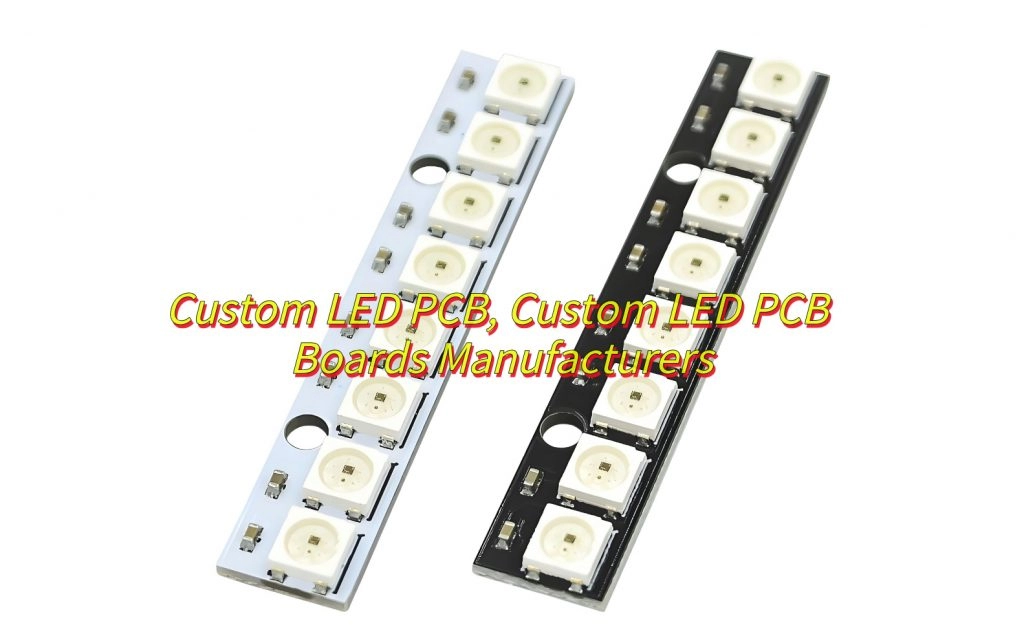
When ordering a custom LED board, understanding lead times is key to planning your project smoothly. For prototypes, the standard turnaround usually falls between 3 to 7 days. If you need it faster, many manufacturers offer expedited options, delivering in as little as 24 to 48 hours for urgent cases.
Mass production lead times depend largely on your order volume but typically range from 7 to 18 days. Smaller runs lean toward the shorter end, while larger batches naturally take longer due to more complex scheduling and material sourcing.
Remember, working with an experienced custom LED PCB manufacturer can help you get reliable timelines and often even faster delivery without compromising quality. Always confirm lead times upfront—especially if you need quick prototyping or tight deadlines for product launches.
Quality Standards & Certifications You Should Demand
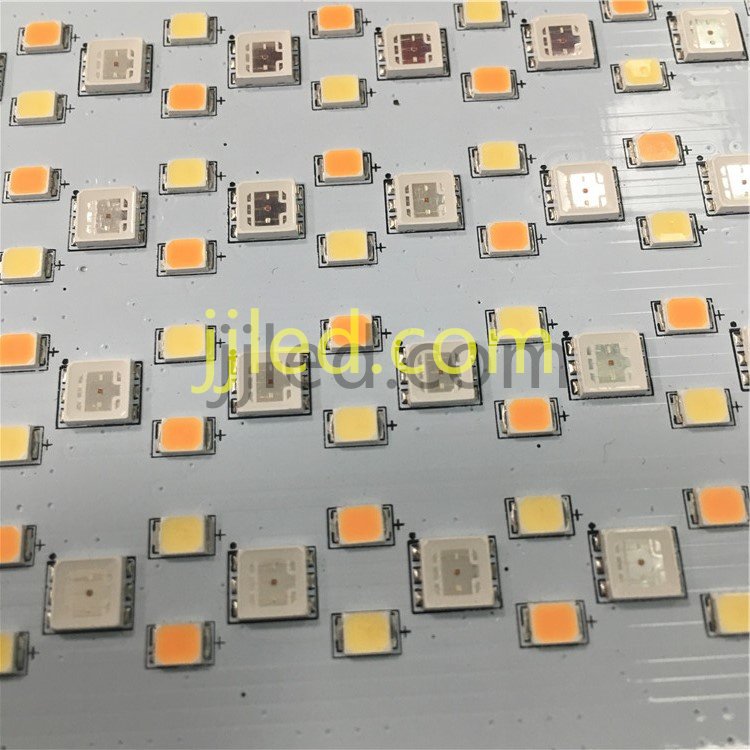
When choosing a custom LED board manufacturer, quality standards and certifications are crucial to ensure reliability and safety. Here’s what to look for:
- ISO 9001: This certification confirms the manufacturer follows strict quality management systems, ensuring consistent product quality.
- IATF 16949: Essential if you’re working in automotive LED PCBs. It covers automotive industry-specific quality requirements.
- UL Certification: Guarantees your LED PCB meets safety standards, especially important for consumer and industrial lighting products.
- IPC-600/6012 Class 2 or Class 3: These industry standards specify the acceptable quality levels for PCB workmanship. Class 2 suits general electronics, while Class 3 is for high-performance or critical applications like medical or aerospace LEDs.
- 100% Electrical Test (E-test): Every board is tested to verify electrical continuity and detect shorts before shipment.
- Thermal Shock Testing: Checks the board’s ability to withstand rapid temperature changes, vital for high power LED boards to ensure long lifespan and reliability.
Insist on these certifications and tests to avoid quality issues and ensure your custom LED board performs as expected.
How to Choose a Reliable Custom LED PCB Manufacturer
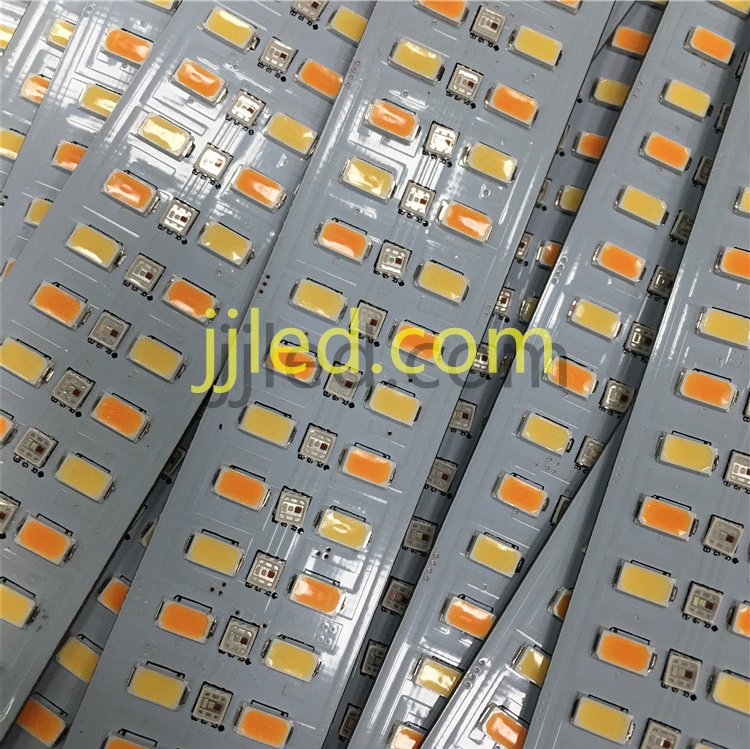
Finding the right custom LED PCB manufacturer can save you time, money, and headaches. Here’s what to watch for:
Red Flags to Avoid
- No clear communication or slow replies
- Lack of factory photos or proof of manufacturing capability
- No references or case studies from past customers
- Overpriced quotes without detailed breakdown
- No Design for Manufacturability (DFM) support
Green Flags to Look For
- Direct factory contact, not a trading company
- Fast, clear responses and free DFM feedback
- In-house assembly and testing services
- Transparent pricing with no hidden fees
- Positive reviews or partnerships with known brands
Why Work Directly With the Factory?
- Save 20–40% compared to middlemen or trading companies
- Better control over lead times and quality
- Faster turnaround on prototypes and revisions
- Direct access to engineering support and DFM advice
Quick Checklist Before You Order
| Question | Why It Matters |
|---|---|
| Can you share factory photos? | Verifies manufacturing capability |
| Do you provide free DFM review? | Avoids design mistakes early |
| What testing standards do you follow? | Ensures quality and reliability |
| How fast is your prototype lead time? | Crucial for quick iteration |
| Do you handle assembly in-house? | Simplifies supply chain and QC |
| Is your pricing transparent? | No surprises on cost |
| Can you share past customer cases? | Shows real-world experience |
Use this checklist to pick a custom LED PCB supplier who fits your project needs and builds trust from day one.
Why China LED PCB Is the Go-To Manufacturer for Custom LED Boards
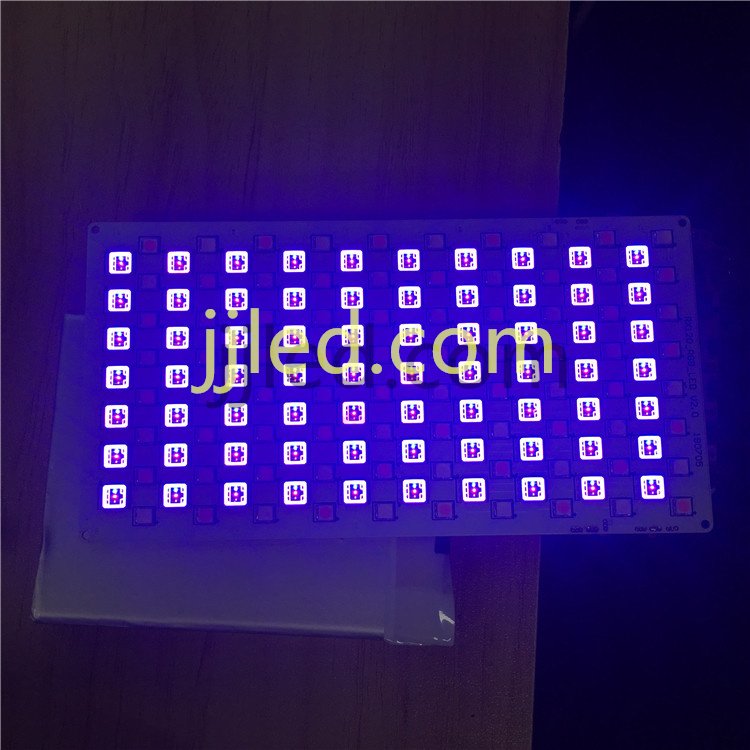
China LED PCB stands out with over 15 years focused solely on custom LED PCB manufacturing. This deep expertise means they truly understand the unique needs of LED circuit board design and assembly.
They offer in-house die-bonding and SMT services, so you get fully assembled, ready-to-use LED boards without juggling multiple suppliers. This streamlines production and cuts costs.
Another big advantage is their free DFM (Design for Manufacturability) feedback and quick 24-hour quotations. That speed helps your project move fast without surprises.
Trusted by global brands like Philips/Signify, Osram, and Cree, China LED PCB has proven experience delivering reliable, high-quality LED boards worldwide. Whether you need aluminum LED PCBs or flexible LED circuits, they have the capacity and know-how to support your project from prototype to mass production.
Real Customer Case Studies with Custom LED Boards
Here are some real examples where custom LED boards made a difference:
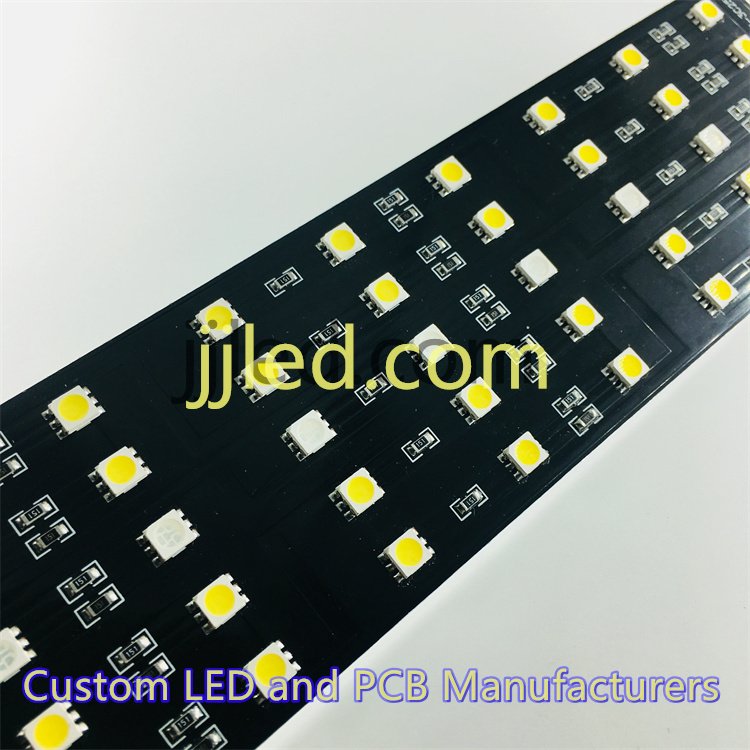
- 2-Meter Linear High-Power Strip Light: We designed a custom aluminum LED PCB with optimized thermal paths for a continuous, high-output light strip used in commercial lighting. The exact LED placement ensured even brightness and longer lifespan.
- Round COB Downlight Board: A circular MCPCB with precise LED binning and color matching was developed for a high-end downlight. This helped the client reduce glare and improve light quality in retail spaces.
- Automotive Headlamp Module: For an automotive LED PCB project, we created a multi-layer board with heavy copper and thermal management features. This met strict durability and certification standards, enhancing performance under extreme conditions.
- Flexible Neon Signage Board: A flexible LED circuit board was produced for neon-style signage. The custom shape and flexible base material allowed unique design freedom while maintaining reliability and uniform brightness.
These projects show how tailored custom LED board solutions solve unique challenges across industries, improving quality and cutting costs.
FAQ – Most Asked Questions About Custom LED Boards
1. What is a custom LED board?
A custom LED board is a specially designed LED circuit board tailored to fit unique shapes, sizes, and performance needs that standard LED boards can\’t meet.
2. Why choose a custom LED PCB over a standard one?
Custom boards ensure perfect fit, better thermal management, precise LED placement, and often save costs at medium to high volumes.
3. What materials are commonly used for LED PCBs?
Aluminum (MCPCB) is the most popular, with options like FR4, ceramic, and flexible materials depending on heat and flexibility needs.
4. How long does it take to get a prototype?
Typically, prototypes take 3 to 7 days. Expedited options are sometimes available within 24 to 48 hours.
5. Can I specify the LED type and layout?
Yes, you can choose from SMD types like 2835, 5050, COB, RGB LEDs, and set your exact layout and footprint to match your design.
6. What copper thickness is best for LED boards?
Copper thickness varies from 1oz to 3oz+; thicker copper improves current handling and thermal dissipation but costs more.
7. How does thermal management work on custom LED boards?
Good designs use thermal pads and heat dissipation paths within the PCB to extend LED lifespan and maintain brightness.
8. Is assembly included with custom LED PCB manufacturing?
Many manufacturers offer full LED PCB assembly, including die bonding and SMT, making it easier to get ready-to-use boards.
9. What certifications should I look for?
Look for ISO 9001, IATF 16949 for automotive quality, UL certification, plus IPC Class 2 or 3 standards for PCB quality.
10. How much do custom LED boards cost?
Costs depend on board size, materials, copper thickness, surface finish, and order quantity. Volume orders lower unit prices significantly.
11. Can I get design help from manufacturers?
Yes, most custom LED board manufacturers provide free DFM feedback and design support to optimize your LED PCB.
12. Why is manufacturing LED PCBs in China popular?
China offers competitive pricing, fast turnaround, experienced factories specialized in LED PCBs, and full assembly services for global customers.
If you have more questions about custom LED PCB design or manufacturing, feel free to reach out. We’re here to help you get the perfect LED solution for your project.
 English
  Spanish
  French
  Portuguese
  Italian