
Core Technology Behind Red Colour LED Lights
Wondering what makes red colour LED lights work so efficiently and reliably? Let’s dive into the core technology.
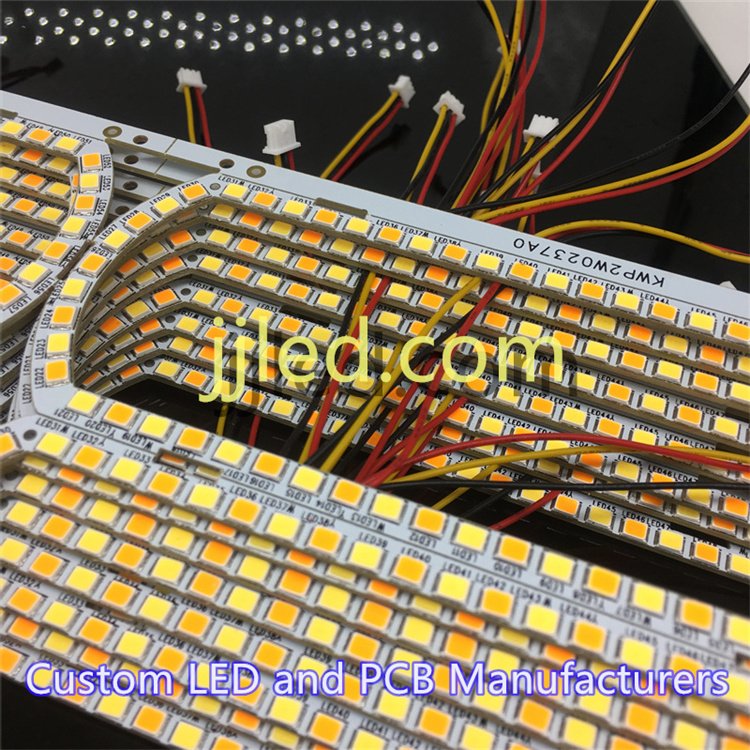
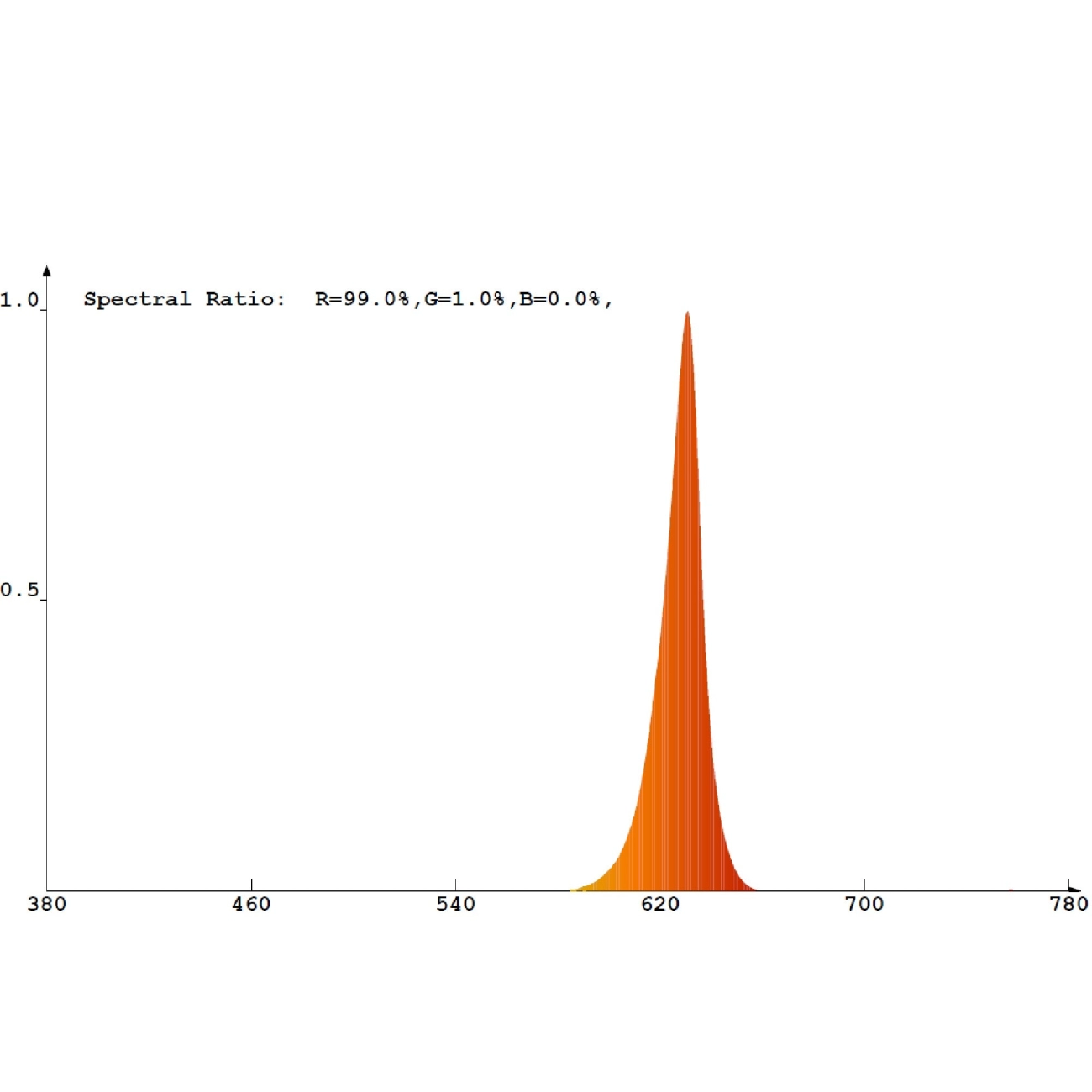
At the heart of every red LED is the LED diode structure. It starts with epitaxy, a process that grows ultra-thin semiconductor layers on a substrate. The main chip materials used are Gallium Arsenide Phosphide (GaAsP) and Aluminium Gallium Indium Phosphide (AlGaInP). These compounds are chosen because they emit light precisely in the red spectrum, typically between 620 to 660 nm wavelengths. This is crucial for applications like red LED strip lights or red light therapy panels where specific color accuracy matters.
Color quality depends on dominant wavelength (the perceived color) and color purity, which is controlled through strict binning standards. Binning groups LEDs by brightness and wavelength consistency, ensuring your red LEDs look uniform and vibrant every time.
Efficiency is also key. Red LEDs usually run at a forward voltage between 1.8 and 2.2 volts, with luminous efficacy often exceeding 100 lumens per watt in top-quality chips. This means they produce bright light without wasting energy.
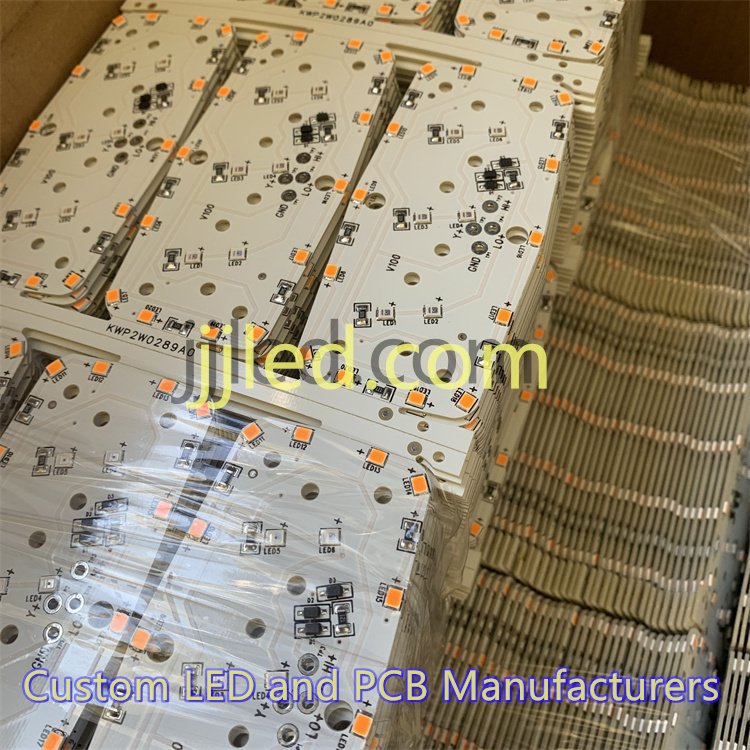
Lastly, managing heat is critical to maintaining performance and lifespan. We design red LED lights with low thermal resistance and integrate them efficiently into PCBs (Printed Circuit Boards) using materials that dissipate heat quickly. This keeps the LEDs cool, stable, and long-lasting — essential for all red LED applications from automotive indicators to grow lights.
In short, red colour LED lights combine advanced material science, precise color control, and smart thermal design to deliver bright, efficient, and reliable lighting solutions worldwide.
Product Types and Specifications of Red Colour LED Light
When choosing red colour LED lights, understanding the types and specs helps you get the right fit for your project.
Types: SMD vs. Through-Hole LEDs
| Type | Size (mm) | Common Use |
|---|---|---|
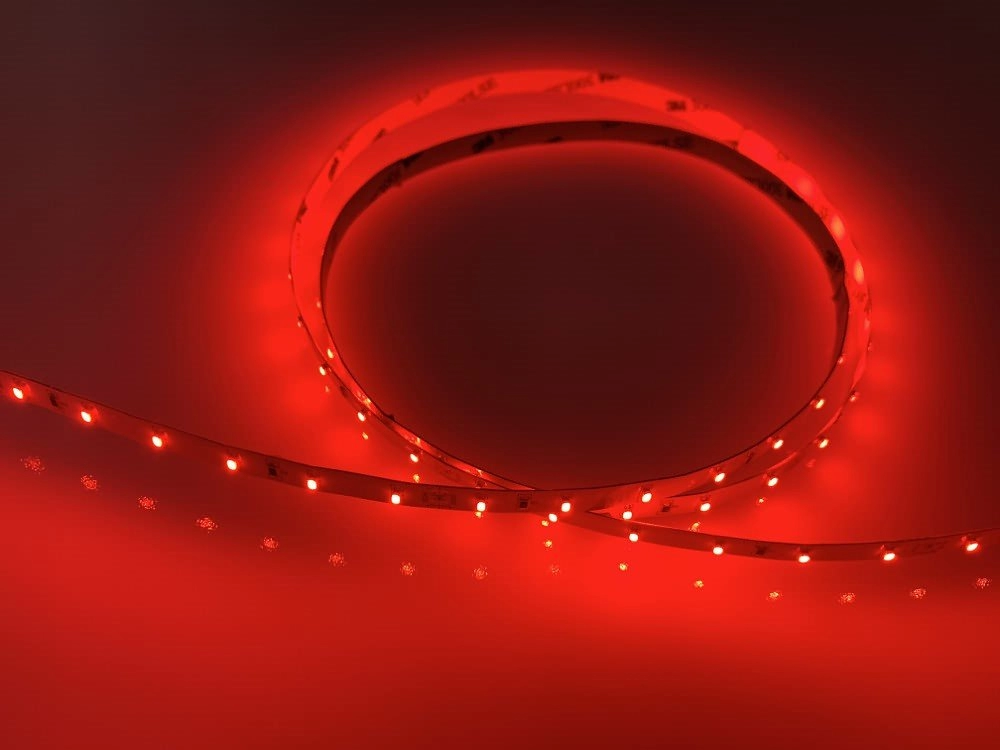
| SMD LEDs | 3528, 5050, 2835 | LED strips, displays, grow lights |
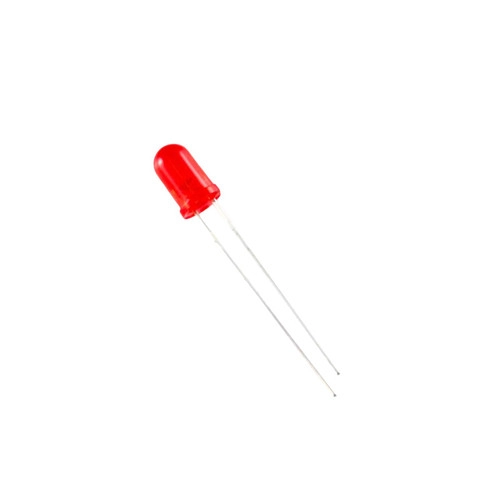
| Through-Hole LEDs | 3mm, 5mm | Indicator lights, DIY kits |
SMD LEDs are compact and good for flexible designs. Through-hole LEDs are bigger and easier to handle for simple indicator uses.
Power Ratings
- Low-power LEDs: Under 0.1W — ideal for indicators, small electronics.
- High-power LEDs: 1W and above — used in lighting, therapy panels, and horticulture.
Important Specs
| Specification | Details | Why It Matters |
|---|---|---|
| IP Ratings | IP20 to IP67+ | Waterproofing for outdoor or wet environments |
| Viewing Angle | 30° to 120° | Controls beam spread for signage or focused lighting |
| CRI (Color Rendering Index) | 70+ typical | Better color accuracy for displays and therapy lights |
Custom PCB Assemblies
- Single-layer PCB: Simple, cost-effective for basic LED setups.
- Multilayer PCB: Better heat dissipation and complex wiring for advanced modules.
- Flex Circuits: Flexible, ideal for wearable tech or curved surfaces.
Compliance and Safety
All quality red LEDs comply with:
- RoHS: Restriction of hazardous substances.
- CE: European safety and performance standard.
- UL: Safety certification for North America.
This gives global buyers peace of mind for safety and regulatory adherence.
By knowing these product types and specs, you can pick a reliable red colour LED light that fits your needs — whether it’s a small indicator or a high-power therapy panel.
Key Applications and Industry Use Cases for Red Colour LED Light
Red colour LED lights are everywhere because they fit so well in many industries and uses:
Signage & Display: Perfect for backlighting, channel letters, and scoreboards, red LEDs provide clear, bright visuals that grab attention day and night.
Automotive: Used in tail lights, dashboard indicators, and EV charging signals, these LEDs ensure safety and visibility while being energy-efficient.
Horticulture: Red LED grow lights, especially around 660 nm deep red, boost photosynthesis and help plants grow stronger and healthier indoors or in greenhouses.
Therapy & Wellness: Red light therapy panels working in the 630–670 nm range support skin health, collagen production, and pain relief, making them popular in wellness and medical devices.
Amber/Red Combinations: Often combined for traffic lights and warning beacons, these LEDs deliver clear, reliable signaling in safety-critical environments.
Electronics & IoT: Red LED indicator lights are common in wearables, smart home devices, and other electronics, offering clear status updates with minimal power use.
These versatile applications make red colour LED lights a go-to choice for global manufacturers and suppliers looking to meet diverse customer needs.
Benefits of Red Colour LED Lights
Red colour LED lights offer clear advantages that make them the go-to choice for many applications worldwide:
Energy Savings
Red LEDs consume up to 80% less energy than traditional incandescent bulbs, helping cut electricity bills and reduce carbon footprints.
Long Lifespan
These LEDs typically last over 50,000 hours, meaning far fewer replacements and lower maintenance costs over time.
Safety
They run cool with low heat output and emit no UV rays, making them safer for both users and sensitive environments.
Customization Flexibility
Whether you need red LED strips, high power red LEDs, or custom red LED PCB assemblies, they can be tailored to fit your exact needs in OEM and ODM projects.
| Benefit | Details |
|---|---|
| Energy Efficiency | 80%+ less power than incandescent |
| Lifespan | 50,000+ hours |
| Safety | Low heat, zero UV emission |
| Customization | Flexible sizes, shapes & specs |
By choosing red colour LED lights, customers get a reliable, efficient, and safe lighting solution that adapts well to varied global needs.
Manufacturing Excellence at China Red Colour LED Light
When it comes to manufacturing red colour LED lights, our China-based facilities set a high standard. We operate ISO 9001 certified factories with over 10 years of experience specializing in red and amber LEDs, ensuring reliable quality and consistency.
Our in-house production covers the full process: from chip bonding and wire bonding to precise encapsulation. This control helps us maintain high standards and fast turnaround times.
Quality is key, so we run thorough checks using Automated Optical Inspection (AOI), spectrometry to verify color and brightness, plus burn-in testing to guarantee long life and stable performance.
We understand that different projects have different needs, so we offer flexible minimum order quantities (MOQ) and rapid prototyping, usually within 7 to 14 days. This makes it easier for you to test and scale without excessive upfront costs.
By focusing on these strengths, we deliver dependable red LED lights suited to global markets, from red light therapy panels to automotive indicators and custom LED PCB assembly.
Sourcing and Procurement Guide for Red Colour LED Light
When sourcing red colour LED lights, follow these simple steps to get exactly what you need without hassle:
- Define Your Specs: Know your exact requirements — LED type (SMD or through-hole), power rating, wavelength (like 630nm or 660nm), and any certifications needed (RoHS, CE).
- Vet Suppliers Carefully: Look for experienced China red colour led light manufacturers with strong quality control and solid reviews.
- Request Samples: Always test samples before placing bulk orders to check quality, color consistency, and performance.
- Place Bulk Orders: Once satisfied, arrange your bulk purchase while confirming warranty and support terms.
Cost Factors to Keep in Mind
- Volume discounts often apply, so higher orders usually lower your unit cost.
- PCB complexity impacts pricing, especially for custom red LED PCB assemblies.
- Lead times vary—plan ahead especially if requiring custom modules or certifications.
Avoid Common Pitfalls
- Beware of counterfeit red LED chips that look cheap but fail quickly.
- Watch out for inconsistent binning, which can affect color uniformity in your product.
Shipping and Logistics Support
- Choose suppliers offering Delivered Duty Paid (DDP) shipping to simplify customs clearance.
- Look for manufacturers that assist with paperwork and customs, reducing delays when importing red and amber LEDs from China.
Following this guide helps you get quality red colour led lights reliably and cost-effectively for your global projects.
Comparison: Red LEDs vs Alternatives
When choosing red colour LED light solutions, it’s important to know how red LEDs stack up against other options.
Red vs. RGB LEDs for Color Needs
- Red LEDs: Best for pure red light, high efficiency, and brightness.
- RGB LEDs: Can create any color by mixing red, green, and blue, but less efficient in pure red output and usually costlier.
- Use case: If you only need red (e.g., red LED indicator light, red LED signage lighting), stick to red LEDs. For dynamic displays or color-changing products, RGB is the way to go.
Red vs. Infrared LEDs for Therapy
| Feature | Red LED (630-670 nm) | Infrared LED (700-1000 nm) |
|---|---|---|
| Penetration | Surface to mid-skin layers | Deep tissue penetration |
| Therapy Type | Skin rejuvenation, collagen, pain relief | Muscle therapy, joint pain |
| Popular product | Red light therapy panel | Infrared therapy devices |
For red light therapy panels, 630-670 nm red LEDs are ideal; infrared covers deeper treatments.
China-Sourced vs. Domestic LEDs
| Factor | China Red Colour LED Light Supplier | Domestic Alternatives |
|---|---|---|
| Price | Generally lower | Higher cost |
| Lead Time | 7–14 days prototype, 2–3 weeks bulk | Usually faster but costlier |
| Quality Control | ISO 9001, RoHS, CE, UL certifications | Varies, often strict |
| MOQ | Flexible, good for small runs | May require higher minimums |
Chinese manufacturers offer cost-effective, certified red SMD LED 5050 and custom red LED module options, making them great for global businesses aiming to balance quality and budget.
Choosing the right red LED depends on your project scope, budget, and required application. Red LEDs made in China remain a popular choice worldwide for their reliable performance and competitive pricing.
Installation, Maintenance, and Troubleshooting of Red Colour LED Light
When installing red colour LED lights, choosing the right driver is key. Use a constant current driver to keep the LED operating safely and efficiently. This prevents flickering and extends the LED\’s lifespan.
For heat management, always apply thermal paste between the LED and heatsink. This improves heat flow away from the LED chip and helps avoid overheating. Pair the LED with a properly sized heatsink or a well-designed PCB to keep temperatures low.
Watch out for common issues like overvoltage and moisture ingress. Overvoltage can burn out the LED quickly, so double-check your power supply specs. Moisture can cause corrosion or short circuits, so look for LEDs with good IP ratings or seal your setup if used outdoors.
Simple tips to avoid problems:
- Use a constant current driver suited to your LED’s forward voltage (typically 1.8–2.2V for red LEDs).
- Ensure proper thermal management with thermal paste and heatsinks.
- Protect against moisture with IP-rated components or waterproof enclosures.
- Regularly inspect for signs of damage or discoloration.
Following these steps helps you get the most from your red colour LED lights, whether for signage, horticulture, or therapy panels.
Future Trends in Red Colour LED Technology
The red colour LED light market is evolving fast, driven by new tech and fresh demands. Here are key trends shaping its future:
Mini-LED and Micro-LED
These tiny LEDs pack more pixels in less space, boosting display brightness and sharpness (higher PPI). Expect to see red LEDs playing a bigger role in ultra-clear TVs, smartphones, and wearable screens.
Quantum Dots for Red LEDs
Quantum dots help produce red light with much sharper, purer colors. This tech narrows the spectral output, improving color accuracy and efficiency — perfect for high-end displays and specialty lighting.
Smart Controls Integration
Red LED lights are becoming smarter, connecting with IoT systems and industry protocols like DMX. This means remote control, dynamic lighting scenes, and energy-saving automation are becoming standard, especially in signage, automotive, and therapy panel applications.
These advances will keep red LEDs competitive, efficient, and versatile for global customers across industries.
 English
  Spanish
  French
  Portuguese
  Italian