
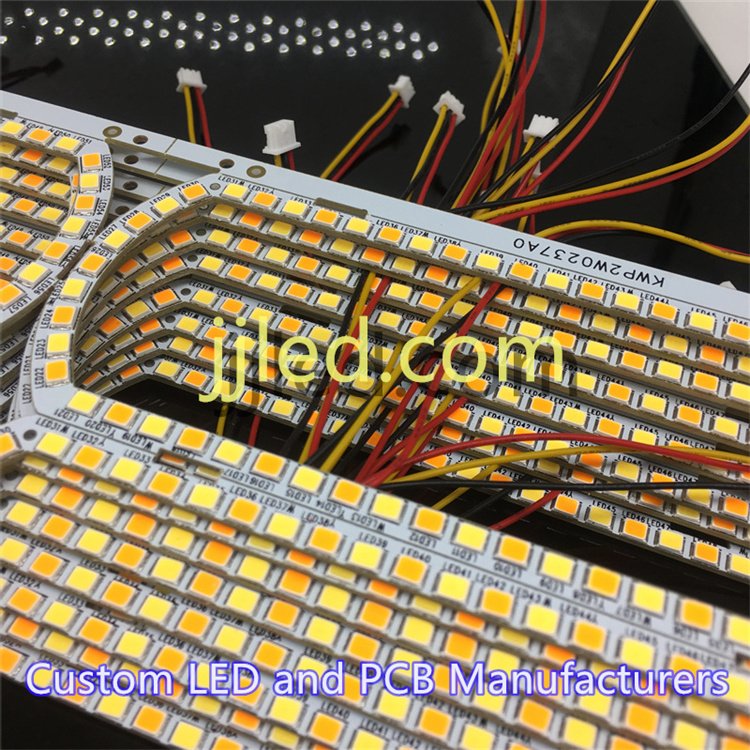
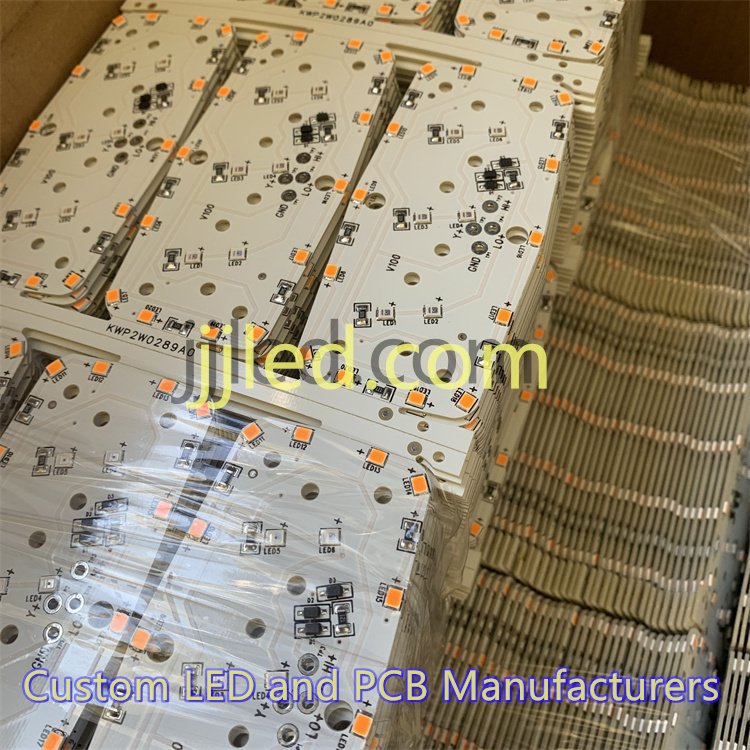
If you’re exploring photochemistry for organic synthesis, you’ve probably noticed how LEDs light are reshaping the landscape. Gone are the days of bulky, energy-hungry mercury lamps—LEDs offer precise, energy-efficient, and eco-friendly alternatives that unlock new possibilities in visible light photoredox catalysis and beyond. In this post, you’ll discover why LED-driven photochemical reactions are becoming the go-to method for modern organic synthesis, from selective bond formations to scalable flow systems. Ready to see how tailored LED light sources can boost your lab’s efficiency and reaction control? Let’s dive in!
Fundamentals of Photochemistry and the Role of Light Sources
Photochemistry drives organic synthesis by using light to initiate chemical transformations. At its core, photochemistry relies on photoexcitation, where molecules absorb photons and move to an excited state. This energized state can trigger energy transfer or electron transfer processes, leading to the formation of new chemical bonds or reactive intermediates. These fundamental steps enable diverse photochemical organic reactions, including radical formation and catalytic cycles.
Historically, light sources such as mercury lamps and Xenon lamps were widely used. Although effective, these sources had significant drawbacks: broad-spectrum emissions, high heat output, and environmental concerns due to mercury content. Modern research has shifted towards visible light photoredox catalysis powered by LEDs — particularly blue LED photocatalysis.
LEDs emit narrow, wavelength-selective light matched precisely to the absorption spectra of photocatalysts (like Ru and Ir complexes or organic dyes). Their ability to use visible light revolutionized photochemistry by enabling safer, more efficient, and environmentally friendly processes. Unlike UV light, visible LEDs reduce unwanted side reactions and make sustainable organic synthesis more accessible, driving innovations in photoredox cross-coupling and other key reaction types.
In essence, this shift from traditional light sources to LEDs marks a turning point in light-driven organic synthesis, enhancing control, selectivity, and scalability for modern chemical research.
Advantages of LEDs Over Conventional Light Sources
LEDs have transformed visible light photoredox catalysis in organic synthesis because they offer several key advantages over traditional lamps.
Energy efficiency and low heat
LEDs consume far less power than mercury lamps or xenon bulbs. This means less energy waste and minimal heat generation, which helps keep sensitive reactions stable without extra cooling.
Narrow wavelength emission for selective excitation
Unlike broad-spectrum sources, LEDs emit light in narrow, well-defined wavelengths. This precision lets you match the LED’s light to the specific absorption of your photocatalyst, improving reaction selectivity and minimizing side reactions.
Safety, longevity, and environmental benefits
LEDs are mercury-free, making them much safer and eco-friendlier compared to mercury lamps. They also last thousands of hours longer, reducing replacement costs and waste in labs worldwide.
Cost-effectiveness and lab integration
LED setups are simpler, smaller, and more affordable. They fit easily into standard lab equipment and flow photochemistry systems, streamlining organic photochemical reactions without bulk or complexity.
All these benefits make LED photochemistry a practical, sustainable choice for modern organic synthesis. Using LEDs aligns well with global demands for greener, scalable photoredox cross-coupling and other photochemical organic reactions.
Mechanisms of LED-Driven Photochemical Reactions
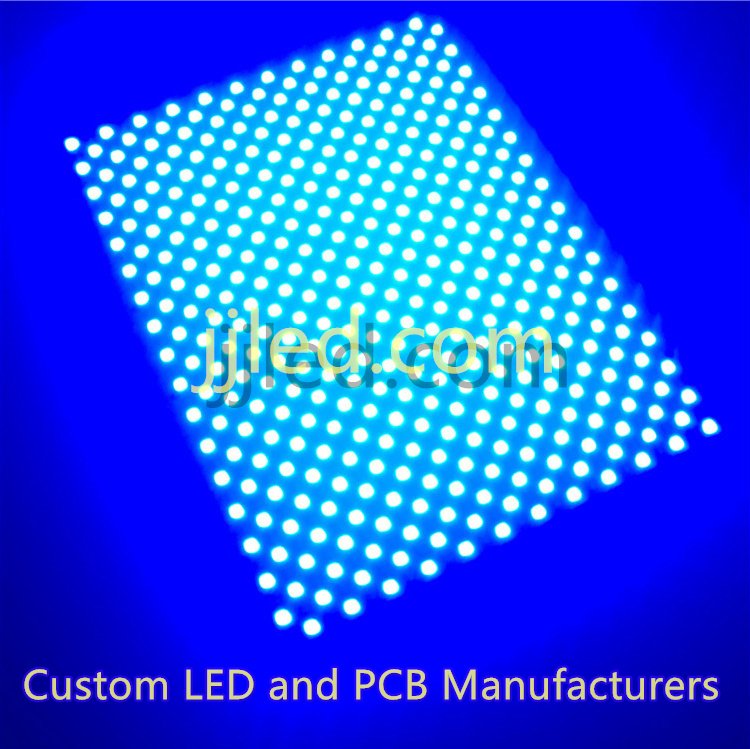
When it comes to the uses of LEDs light in photochemistry for organic synthesis, the key lies in how LEDs enable different reaction pathways under visible light. One of the most popular mechanisms is photoredox catalysis, where LEDs trigger single-electron transfer (SET) processes. Here, a photocatalyst absorbs LED light, gets excited, and either donates or accepts an electron to start a chain of reactions. This approach is great for driving radical reactions with precision and mild conditions.
Another important mechanism is energy transfer, such as triplet sensitization, where the excited photocatalyst transfers energy directly to a substrate without changing oxidation states. This opens doors to reactions like [2+2] cycloadditions and other transformations that rely on excited-state energy dynamics.
For these LED-driven photochemical reactions, several common photocatalysts work well:
- Ruthenium (Ru) and Iridium (Ir) complexes: These are industry favorites known for their stability and strong absorption in visible blue or green LED light.
- Organic dyes: Cost-effective and metal-free options like eosin Y or rose bengal are gaining traction, especially in sustainable photoredox catalysis.
Using LEDs means you can match the light wavelength precisely to the photocatalyst’s absorption peak, maximizing efficiency and selectivity. This tailored excitation is a hallmark of LED photochemical setups and a major reason why LEDs have transformed visible light photoredox catalysis in organic synthesis.
Key Applications and Reaction Types of LEDs Light in Photochemistry for Organic Synthesis
LEDs light has opened new doors for organic synthesis by enabling a wide range of photochemical reactions with precision and efficiency. Here are some key uses where LED-driven photoredox catalysis shines:
- Cross-Coupling Reactions (C–C, C–N Bond Formation): LEDs are crucial for C–C and C–N bond formations via visible light photoredox catalysis. These reactions are often milder and more selective compared to traditional methods, helping create complex molecules with fewer steps.
- α-Functionalization of Carbonyls and Amines: By using LEDs to excite photocatalysts, it\’s possible to selectively functionalize carbonyl groups and amines at the alpha position. This expands access to valuable intermediates in pharmaceuticals and fine chemicals.
- Cycloadditions and Radical Additions: LED light enables controlled radical generation for cycloaddition reactions, offering a safer and tunable alternative to UV light sources. This is helpful in building ring systems and adding diversity to molecular scaffolds.
- Oxidation and Reduction Processes: Whether oxidizing alcohols or reducing nitro compounds, LED photochemistry allows these transformations under mild conditions. The precise wavelength selection improves reaction control, reducing byproducts.
- Asymmetric and Enantioselective Transformations: Using chiral photocatalysts with LEDs supports enantioselective photochemical reactions. This is important for synthesizing molecules with specific 3D shapes, crucial in drug development.
These applications highlight how LED light sources have become essential tools in sustainable organic synthesis. With benefits like wavelength-selective excitation and compatibility with a broad range of photocatalysts (including Ru/Ir complexes and organic dyes), LEDs help drive complex photochemical organic reactions efficiently and safely.
Specific Examples of LED-Enabled Syntheses
LED light has truly transformed how we approach organic synthesis in the lab, especially with visible light photoredox catalysis. One standout use is blue LED-driven photoredox cross-couplings, which efficiently form C–C and C–N bonds under mild conditions. Blue LEDs shine right where many common photocatalysts absorb, making these reactions highly selective and energy-efficient.
Red and near-infrared (near-IR) LEDs also open up new doors, providing deeper light penetration in reaction mixtures. This is especially useful in upconversion processes and scaling reactions where traditional light might not reach effectively. These wavelengths help in sensitive transformations and even allow for new types of photochemical pathways.
For those focusing on industrial scale or larger batches, flow chemistry with LEDs is a game-changer. Integrating LEDs into continuous flow reactors improves scalability and reaction control while maintaining consistent light exposure. This technique is well-suited for pharmaceutical intermediate synthesis, where purity and reproducibility matter.
We’ve also seen LEDs playing a key role in the synthesis of natural products. Their ability to drive complex radical reactions with minimal heat and high selectivity makes them ideal for delicate molecules used in medicines and biologically active compounds.
In :
- Blue LED photoredox cross-couplings enable versatile bond-forming reactions.
- Red/near-IR LEDs offer deep reaction penetration and novel upconversion paths.
- Flow photochemistry LEDs allow scalable, consistent production.
- Applications span from natural product synthesis to pharmaceutical intermediates.
Using LEDs in these practical cases highlights their flexibility, efficiency, and sustainability—everything today\’s chemists and manufacturers need.
Practical Considerations for LED Photoreactors in Organic Synthesis
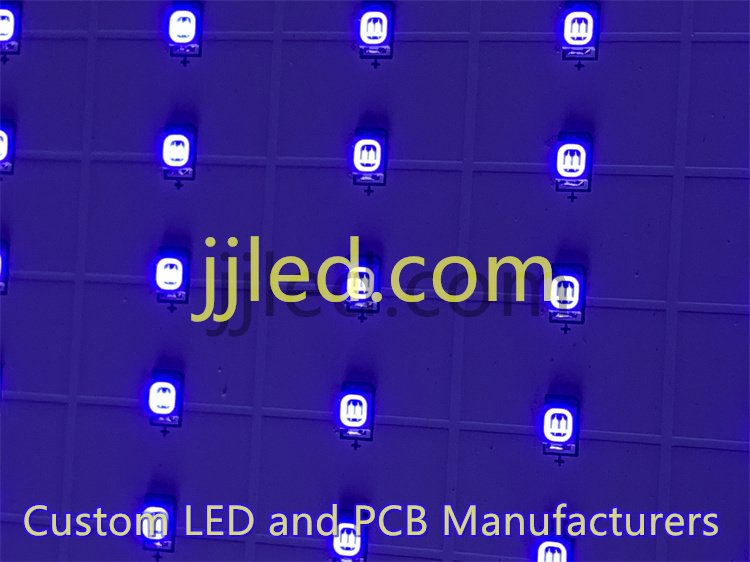
When working with LEDs in photochemistry for organic synthesis, several practical factors can make or break your success.
Wavelength Selection
- Match the LED’s wavelength to the absorption profile of your photocatalyst. For example, blue LED photocatalysis works well with Ru or Ir complexes, while red or near-IR LEDs suit specific organic dyes.
- Using wavelength-selective LEDs improves reaction efficiency by targeting only the active species, reducing side reactions.
Reactor Designs
- Batch Reactors: Simple and great for small-scale screening.
- Flow Reactors: Offer better control over light exposure and temperature, ideal for scalable photoredox cross-coupling and continuous production.
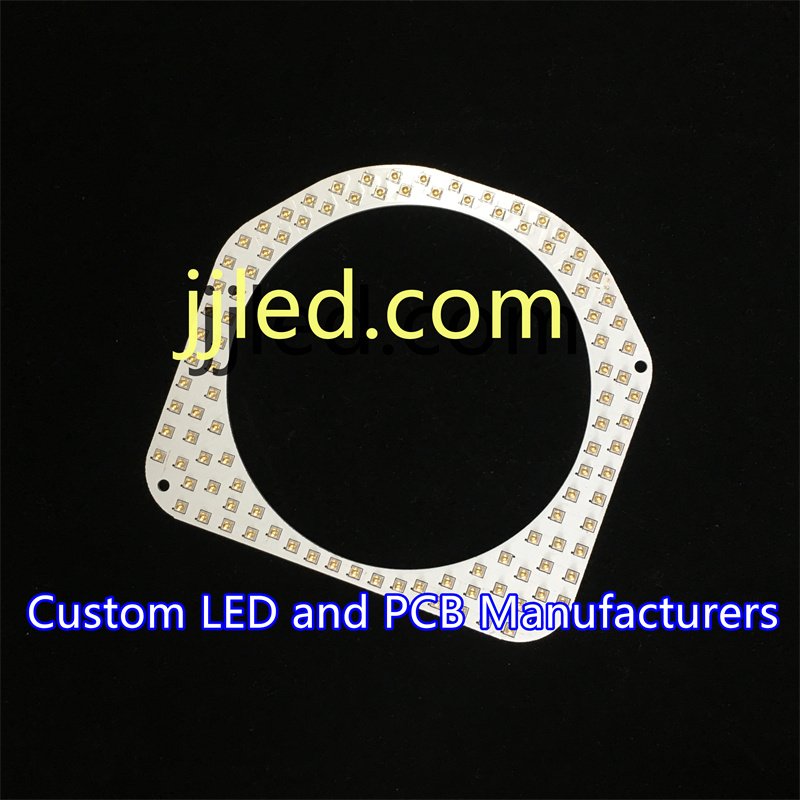
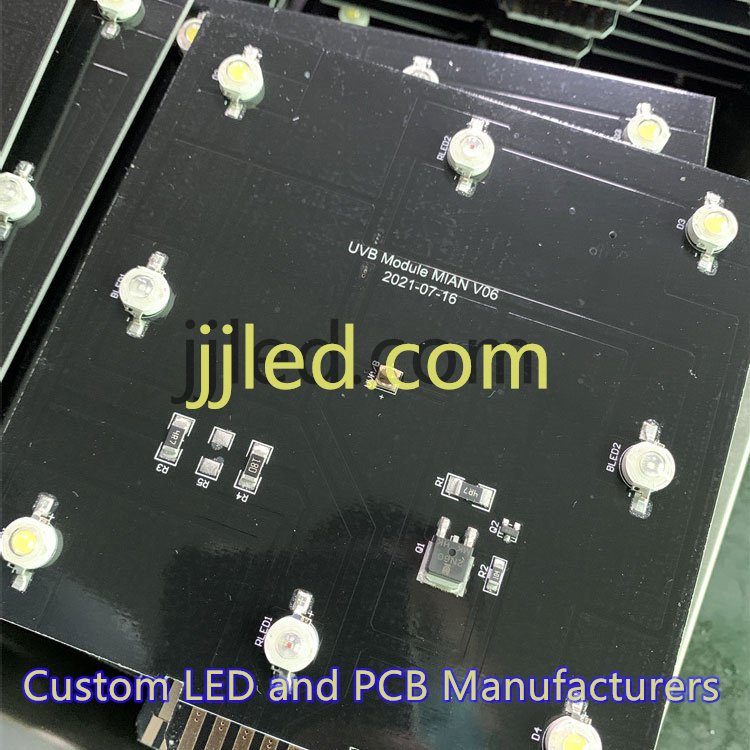
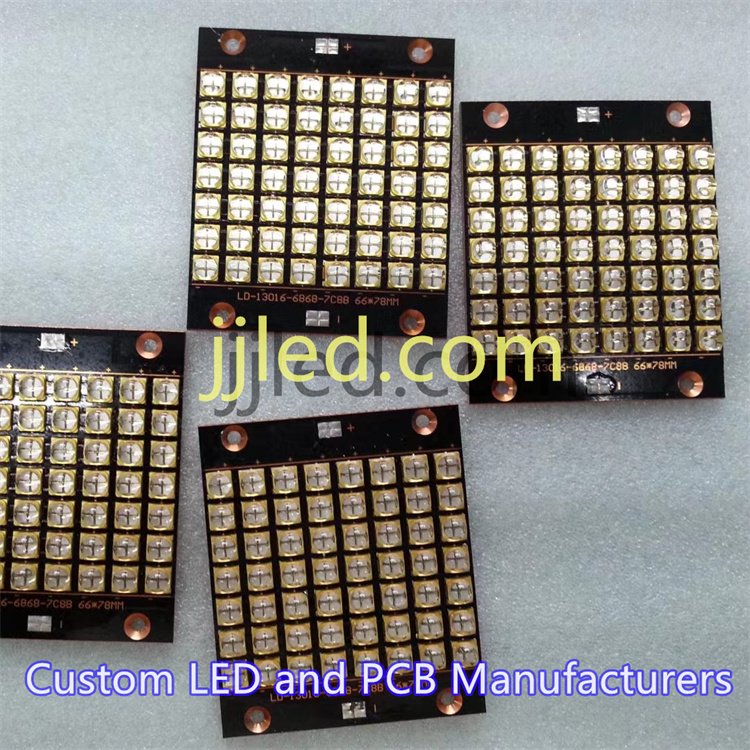
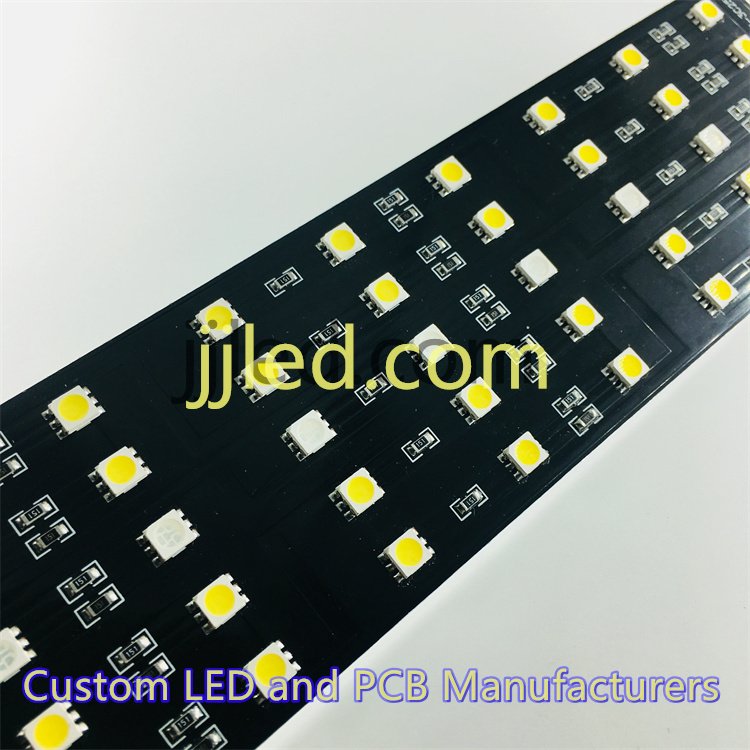
- Custom Setups: Tailored LED boards and arrays help optimize light intensity and distribution, especially useful with custom LEDs designed for specific photochemical reactions.
Intensity and Exposure Time
- Control LED intensity carefully; too much leads to over-irradiation, degrading photocatalysts or substrates.
- Optimize exposure time to balance quantum yield and reaction completeness without wasting energy or causing side reactions.
Troubleshooting Common Issues
- Over-irradiation: Watch for color changes or unexpected decomposition—dial down LED power or shorten exposure.
- Heterogeneity: Poor mixing or uneven light can cause inconsistent results. Ensure proper stirring and uniform light distribution in your reactor design.
Using the right LED photoreactor setup with these tips helps you harness visible light photoredox catalysis effectively and sustainably for diverse organic syntheses. Our custom LED PCB boards can be tailored for perfect integration in your lab or industrial photochemistry setups.
Scaling Up LED Photochemistry
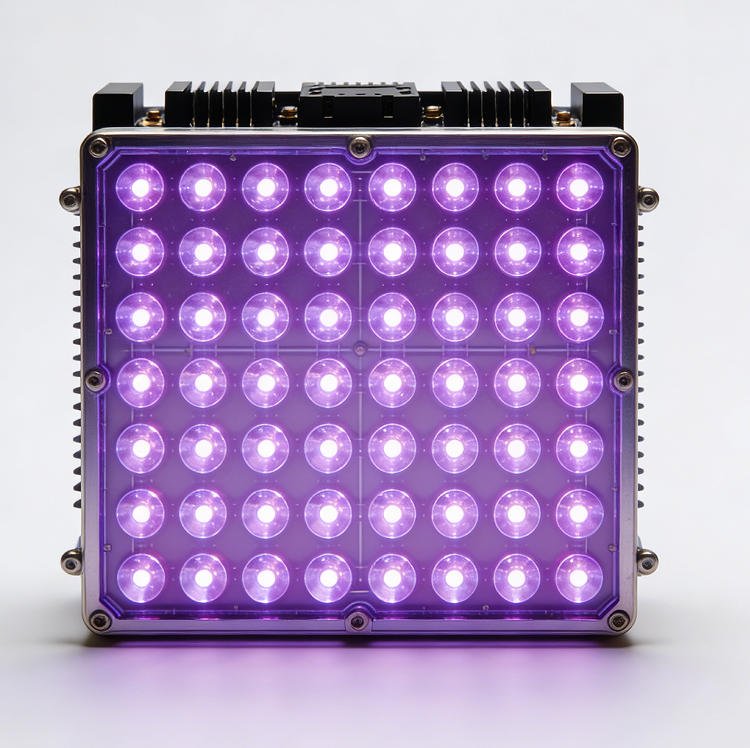
Scaling up LED-driven photochemistry from the lab to industrial levels is becoming more common as the benefits of visible light photoredox catalysis prove invaluable in organic synthesis. Moving beyond small-scale reactions, manufacturers and researchers now focus on process development that maintains reaction efficiency while handling larger volumes.
Key to this scale-up is the use of wireless and internal illumination techniques. Instead of traditional external light sources, internal LED setups provide uniform irradiation inside reactors, improving light penetration and reaction consistency. This is especially useful in flow photochemistry LEDs, where continuous processing enhances scalability and reproducibility for cross-coupling, oxidation, and various photoredox reactions.
From an industrial standpoint, LED photochemical processes align with sustainability goals. LEDs are energy-efficient, mercury-free, and generate minimal heat, making them safer and more eco-friendly alternatives to legacy mercury lamps. This leads to lower operational costs and a reduced environmental footprint in pharmaceutical intermediate synthesis and other large-scale organic reactions.
In , scaling up LED photochemistry leverages:
- Efficient light penetration via internal LEDs
- Easy adaptation to flow reactors for continuous production
- Reduced energy consumption and heat management
- Environmentally friendly mercury lamp replacements
- Sustainable process development for organic molecule creation
This makes LEDs an excellent choice for global manufacturers looking to integrate scalable photochemical synthesis into their production lines, boosting yield and sustainability together.
Future Trends and Innovations in LED Light for Photochemistry
The future of LED light in photochemistry for organic synthesis looks promising with several exciting trends emerging. One major innovation is multi-photon excitation, which allows accessing higher energy states using lower-energy LEDs. This opens up new possibilities for complex, selective transformations that were previously hard to achieve with conventional single-photon processes.
Another growing area is chromoselective reactions. Custom LEDs designed to emit very precise wavelengths enable selective activation of specific photocatalysts or substrates without affecting others. This level of control helps push forward more efficient and sustainable visible light photoredox catalysis in organic synthesis.
Automation and high-throughput screening are also integrating tightly with LED photochemistry. Combining custom LED setups with automated platforms accelerates reaction discovery and optimization — making photochemical organic reactions faster and more reliable for global researchers and industries.
Lastly, the development of specialized, custom LED designs is gaining traction. Manufacturers now produce LEDs with tailored wavelengths, intensity, and beam shapes specifically for photoredox and energy transfer photocatalysts. These custom LEDs of photochemistry for organic synthesis improve reaction efficiency, scalability, and sustainability, meeting the needs of a global market aiming for greener and smarter synthesis routes.
In short, advances in multi-photon excitation, selective wavelength LEDs, and automation will keep LED-driven photochemistry at the forefront of sustainable and scalable organic synthesis worldwide.
 English
  Spanish
  French
  Portuguese
  Italian