
Understanding 365nm LED PCBs
When diving into the world of UV LED boards, the 365nm LED PCB stands out because of its unique wavelength in the ultraviolet A (UVA) spectrum. This specific wavelength allows for precise applications that standard visible LEDs simply can\’t handle. What sets the 365nm LED apart is its ability to emit UV light ideal for fluorescence detection, curing adhesives, and detailed inspection tasks where longer UV wavelengths or visible light fall short.
What Sets 365nm Apart?
- Precise UV wavelength: At 365nm, the LED emits a UVA light that’s highly effective for activating fluorescent materials without causing excessive heat or damage.
- Higher sensitivity: This wavelength is perfect for darkening certain chemicals or inks, making it a favorite in medical, industrial, and forensic fields.
- Lower visual disturbance: Unlike shorter UV wavelengths that are harmful or completely invisible, 365nm strikes a balance — it’s less harsh to the eyes while still effective.
Key Components Breakdown
The effectiveness of a 365nm LED PCB depends on key components like:
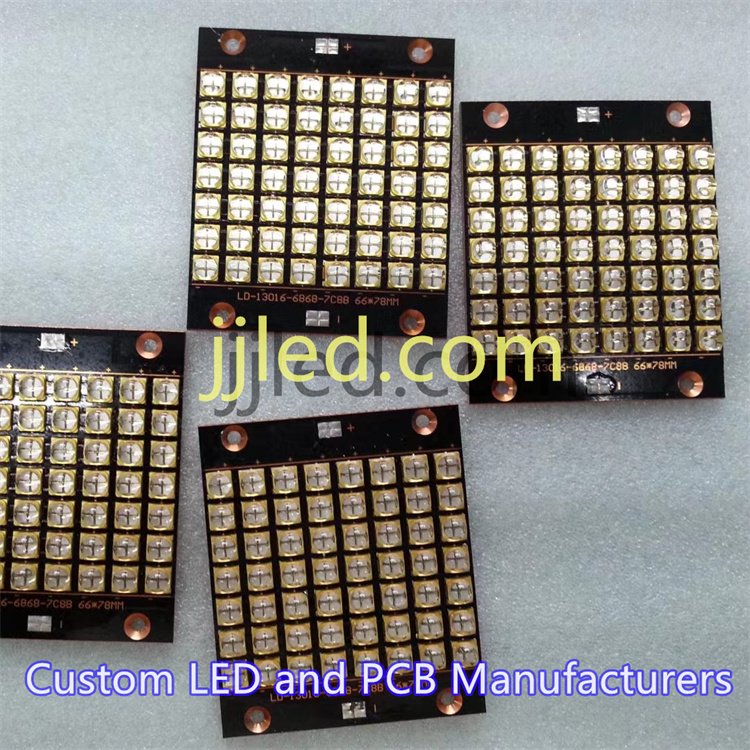
- LED chip: Often a 750mW 365nm chip from trusted manufacturers such as Nichia ensures consistent output and durability.
- Substrate material: Aluminum substrates are common for thermal management, helping dissipate heat and maintain longevity.
- PCB design: Circuits are carefully designed to facilitate UV curing LED circuits or fluorescence detection boards functionalities.
- Optical elements: Lenses or reflectors tailor the beam angle and intensity for specialized uses.
Evolution from Standard LEDs
The journey from standard visible LEDs to 365nm UV LEDs has been revolutionary:
- Initially, UV LEDs had limited power and poor heat handling.
- Advances in chip technology and substrates, such as the COB UVA package, improved brightness and efficiency.
- Custom assemblies and SMD UV LED 10x10mm formats now allow for compact, powerful designs.
- Today’s 365nm star PCBs and modules combine durability with precision, expanding options across industries.
Understanding these fundamentals helps you appreciate the value and versatility of the 365nm LED PCB. Whether you\’re troubleshooting, designing, or selecting a unit, knowing what makes this UV LED special puts you ahead in making smarter, more effective choices.
Applications of 365nm LED PCB
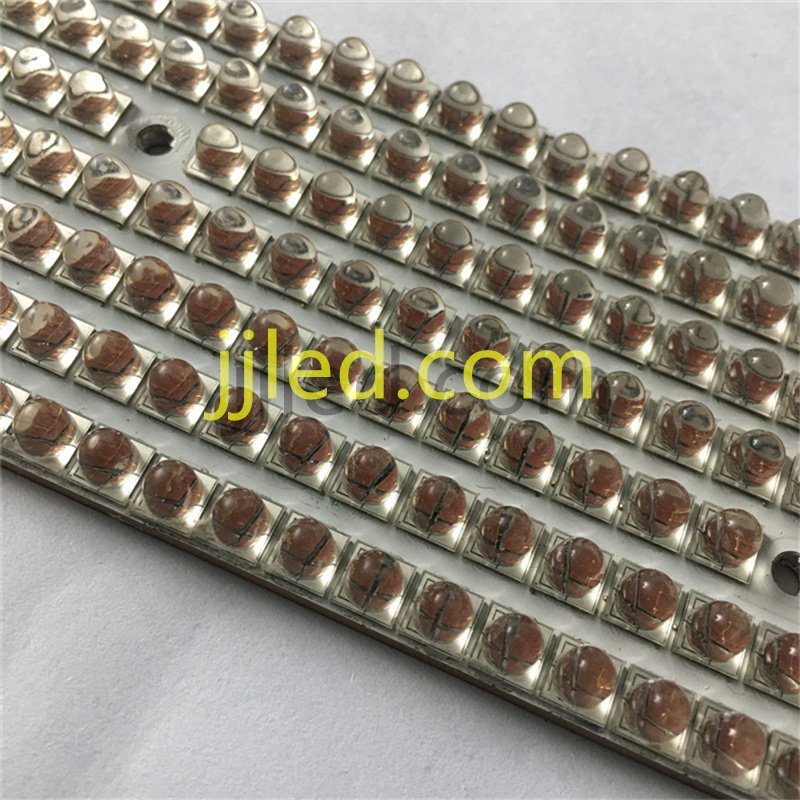
The 365nm LED PCB, also known as UV LED board 365nm, shines across various fields thanks to its specific UV-A wavelength. Here’s where it’s making a real impact:
Industrial Manufacturing
- UV Curing LED Circuit: Widely used for fast and efficient curing of adhesives, coatings, and inks.
- 365nm Adhesive Curing: Helps speed up production lines with precise and reliable UV light exposure.
- High Power UVA PCB: Powers machines that need strong UV light for material processing.
Medical and Scientific
- Fluorescence Detection Board: Essential for detecting fluorescence in lab tests and diagnostics.
- Nichia 365nm Module: Used in medical imaging and sterilization tasks.
- COB UVA Package: Provides uniform UV exposure for scientific experiments and research setups.
Consumer and DIY Projects
- 365nm Star PCB: Popular for custom UV light builds and hobby projects.
- SMD UV LED 10x10mm: Fits small-scale devices or portable UV tools.
- 365nm Prototyping Kit: Ideal for innovators testing new UV light applications at home or in small workshops.
Emerging Uses
- Aluminum Substrate UV LED: Used in advanced electronics needing robust thermal management PCB.
- 750mW 365nm Chip: Powers new UV sterilizers and disinfection devices gaining popularity worldwide.
- Custom UV LED Assembly: Helps create tailor-made solutions in areas like environmental testing and security.
The versatility of the 365nm LED PCB comes down to its precise UV wavelength and efficient design, serving industries globally with reliable UV light solutions.
Design and Manufacturing Insights for 365nm LED PCB
Thermal Management Essentials
Good heat control is vital in 365nm LED PCB design. These UV LED boards tend to generate significant heat, especially high power UVA PCBs like those with 750mW 365nm chips. Without proper thermal management PCB techniques—like using aluminum substrates and heat sinks—performance drops and lifespan shortens.
Key thermal tips:
- Use aluminum substrate UV LED boards to dissipate heat better
- Include thermal vias in your PCB layout
- Opt for COB UVA packages for improved heat spread
- Apply thermal adhesive curing materials where needed
Customization Options
One big advantage of 365nm LED boards is flexibility. Whether you need a small SMD UV LED 10x10mm array or a custom UV LED assembly for fluorescence detection boards, manufacturers can tailor specs:
| Customization Aspect | Options |
|---|---|
| PCB size | From prototyping kits to large panels |
| LED type | Nichia 365nm module, COB UVA package |
| Power rating | Low power up to 750mW 365nm chips |
| Mounting style | Star PCBs, surface mount (SMD), or through-hole |
China LED PCB\’s Edge
China leads in affordable, quality 365nm LED PCB production with fast turnaround times. Benefits include:
- Cost-effective manufacturing at scale
- Wide variety of LED chip options including Nichia and others
- Support for custom designs and small batch runs
- Strong supply chain for aluminum substrate UV LED boards and UV curing LED circuits
Common Pitfalls to Avoid
Watch out for these issues often seen with 365nm LED PCB projects:
- Poor thermal management causing LED failure
- Overlooking proper adhesive cures leading to weak bonds
- Skimping on quality star PCB components affecting durability
- Ignoring safety protocols when handling UV LEDs
By understanding these design and manufacturing basics, you ensure your 365nm LED PCB performs well and lasts long.
Selection Guide for 365nm LED PCB
Choosing the right 365nm LED PCB means balancing specs, needs, and budget. Here’s a quick guide to make it easier.
Specs Comparison Table
| Feature | Typical Range | What to Look For |
|---|---|---|
| Wavelength | 365nm (UV UVA) | Exact 365nm for specific UV tasks |
| Power Output | 100mW – 750mW | Higher power for industrial uses |
| PCB Material | Aluminum, Copper | Aluminum for better heat dissipation |
| LED Type | SMD UV LED, COB UVA package | Depends on size & intensity needs |
| Size | 10x10mm (star PCB), custom sizes | Match your application footprint |
| Thermal Management | Built-in heat sinks, aluminum base | Critical for long-lasting operation |
| Voltage Input | 3V – 12V | Check compatibility with driver |
| Lifespan | 10,000 – 50,000 hours | Longer life means less replacement |
What to Consider When Choosing
- Purpose: Are you using it for UV curing, fluorescence detection, or prototyping?
- Power: Higher power like 750mW chips suit industrial applications.
- Size and Mounting: Compact PCBs like the 365nm star PCB fit small fixtures.
- Thermal Needs: Good heat dissipation extends LED life.
- Compatibility: Match voltage and driver specs.
- Customization: Look for custom UV LED assemblies if you need specific layouts.
- Price vs Quality: Sometimes paying a bit more for Nichia 365nm modules means better reliability.
Buyer Journey Tips
- Define your application clearly. This will narrow down the specs.
- Compare manufacturers, especially from China LED PCB suppliers for cost-effectiveness.
- Request samples or prototyping kits to test before full purchase.
- Check reviews and support for troubleshooting help.
- Consider future needs — will you need more power or different sizes later?
By keeping these points in mind, you can pick the right 365nm LED PCB for your UV LED board project without second-guessing.
Installation and Troubleshooting 365nm LED PCB
Step-by-Step Setup
Getting your 365nm LED PCB up and running is straightforward if you follow these steps:
- Prepare your workspace: Ensure a clean, static-free area with proper ventilation.
- Check connections: Verify all solder joints and connectors are secure before powering.
- Power supply match: Use a compatible power source matching the voltage and current specs of your UV 365nm LED board.
- Mounting: Attach the PCB firmly on a suitable surface, preferably with thermal adhesive or on an aluminum substrate UV LED base for better heat dissipation.
- Initial testing: Power on briefly to check the 365nm star PCB lights up evenly without flickering.
Optimization Tips
To get the best performance from your 365nm LED PCB:
- Use effective thermal management: Install proper heat sinks or cooling fans as thermal management PCB designs help avoid overheating.
- Control drive current: Use a constant current driver to maintain consistent brightness and extend chip life, especially for high power UVA PCBs like a 750mW 365nm chip.
- Avoid UV exposure risks: Limit direct skin and eye exposure by using protective gear and shielding.
Troubleshooting Common Issues
Run into trouble? Here’s some quick fixes:
- No light or flickering: Check power cables, replace faulty drivers, and test for cold solder joints.
- Overheating: Improve heat sinks or increase airflow; confirm thermal pads or adhesive curing bonds are intact.
- Uneven brightness: Inspect the Nichia 365nm module or SMD UV LED 10x10mm for damage or poor contacts.
- PCB damage: Look for short circuits or burnt areas on the UV curing LED circuit and replace if necessary.
Safety Protocols
UV LEDs, especially at 365nm, need careful handling:
- Always wear UV-blocking glasses and gloves.
- Avoid direct eye and skin exposure during operation.
- Use in well-ventilated spaces to prevent ozone buildup.
- Follow manufacturer guidelines on operating voltage and current to prevent hazards.
Following these setup and safety guidelines will ensure your 365nm LED PCB works efficiently and lasts longer, whether you’re using it for fluorescence detection boards, industrial UV light PCB tasks, or custom UV LED assembly projects.
Future Trends in 365nm LED PCBs
The world of 365nm LED PCBs is evolving fast, driven by new tech and growing demand. Key advancements include:
- Higher Power and Efficiency: Expect more high power UVA PCBs like the 750mW 365nm chip, boosting brightness without extra heat. This means better performance for UV curing LED circuits and fluorescence detection boards.
- Improved Thermal Management: Innovations in aluminum substrate UV LED designs help control heat more effectively, extending the life of 365nm star PCBs and Nichia 365nm modules.
- Smaller, More Integrated Designs: Compact formats such as SMD UV LED 10x10mm and COB UVA packages are gaining ground, fitting into sleek industrial UV light PCBs and custom UV LED assemblies.
Sustainability Angle
Sustainability is becoming a big focus. Manufacturers are turning to eco-friendlier materials and energy-efficient designs to reduce waste and power consumption. Recycling strategies for UV LED boards 365nm and greener production methods will also shape the market.
Market Outlook
The global demand for 365nm LED boards will keep rising, especially in medical, scientific, and industrial sectors. As DIY and consumer uses increase, China LED PCB suppliers are doubling down on quality and customization to stay competitive.
In short, the future looks bright—with smarter, more sustainable, and powerful 365nm LED PCB solutions leading the way.
 English
  Spanish
  French
  Portuguese
  Italian