
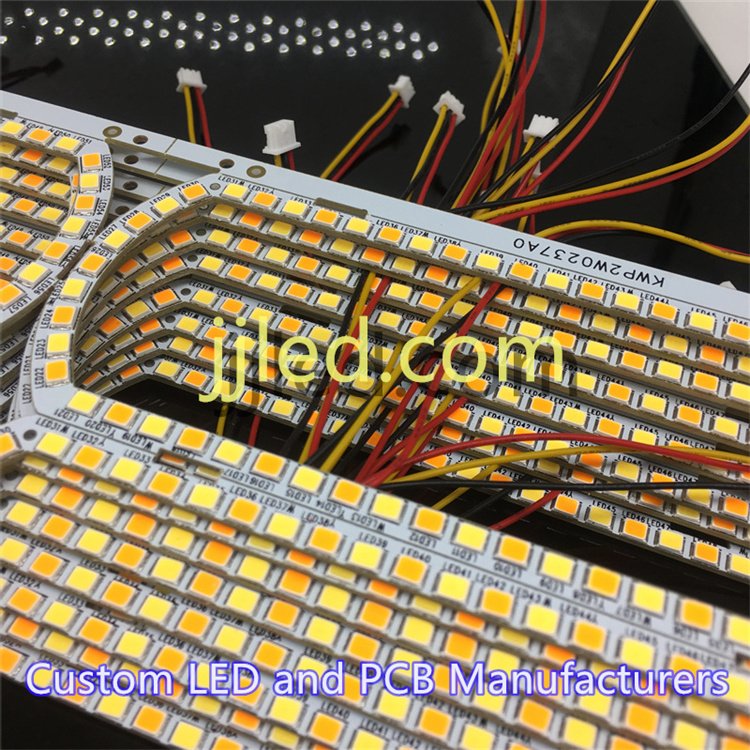
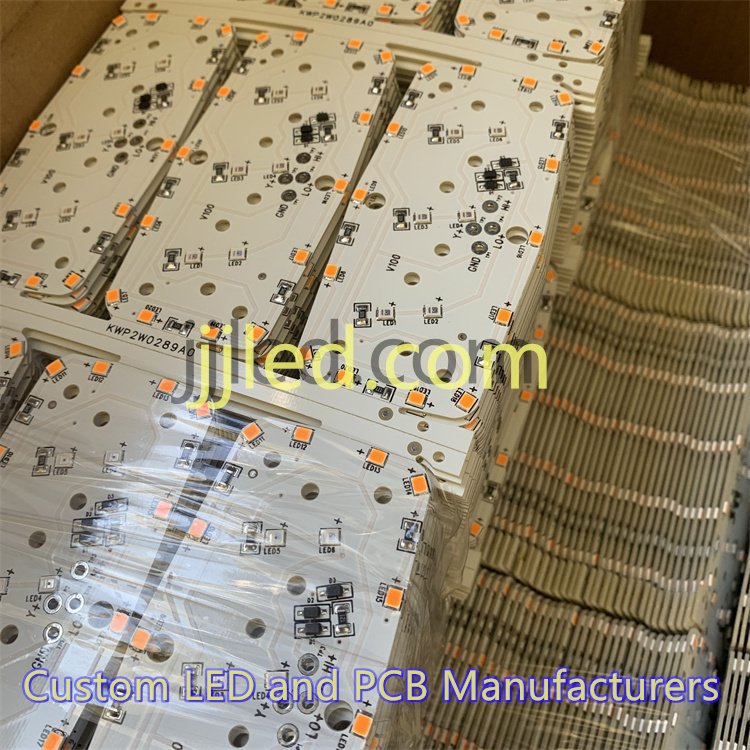
If you’ve ever wondered how to turn simple LED strips into vibrant, customizable lighting setups, then a LED light controller is exactly what you need. Whether you want to dim your lights, switch colors, or sync lighting effects with music, the right controller can transform your space instantly. In this guide, you’ll discover how these controllers work, the different types available—from basic dimmers to smart WiFi-enabled models—and how to pick the perfect one for your project. Ready to upgrade your lighting game with seamless control and smart features? Let’s get started!
Understanding LED Light Controllers
Ever wondered how your LED lights change colors, adjust brightness, or sync with music? That’s the job of an LED light controller. At its core, this device regulates power, controls brightness levels, mixes colors, and creates dynamic lighting effects—bringing your LED setups to life.
Unlike a simple LED driver that only powers lights, an LED controller adds smart layers like PWM LED dimming (pulse-width modulation) and communication protocols. This means you can smoothly dim lights, switch colors, or sync lighting effects across multiple zones without hassle.
You’ll find LED light controllers everywhere—from cozy home decor and stunning architectural lighting to entertainment venues and large commercial displays. Their flexibility makes them essential for anyone looking to customize and control LED strip lights with precision and ease.
Types of LED Light Controllers
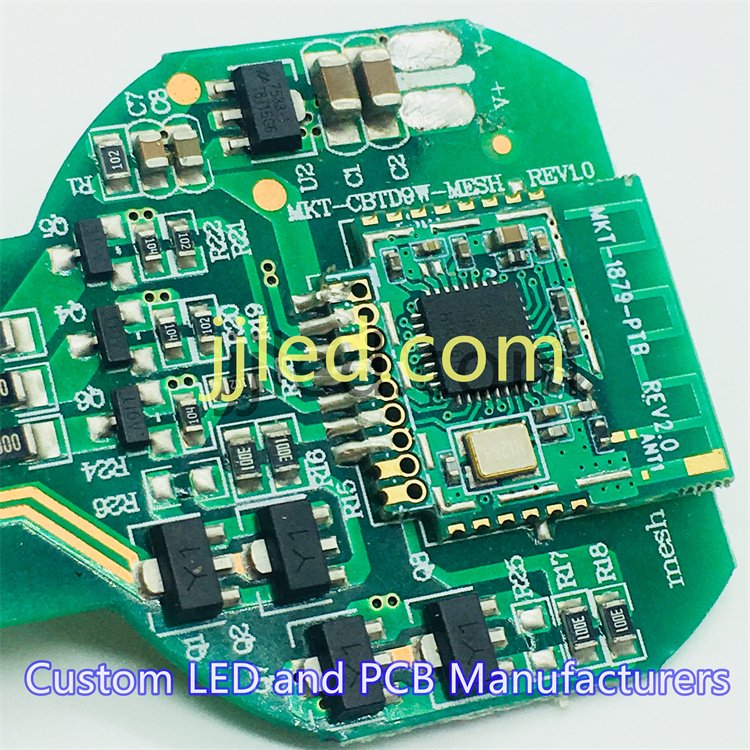
LED light controllers come in various types depending on your lighting needs. Here’s a quick rundown of the most common ones:
- Single-color controllers: These are mainly for simple dimming control of one-color LED strips. They regulate brightness smoothly without color changes, perfect for basic lighting setups.
- RGB controllers: These add basic color-changing features by mixing red, green, and blue channels. They’re great for creating colorful effects without complex controls.
- RGBW and RGB+CCT controllers: These include additional white channels—either pure white (RGBW) or tunable white with adjustable color temperature (RGB+CCT). This allows for better color accuracy, warmer whites, and more natural lighting scenes.
- Addressable/digital controllers: Designed for individually controllable LEDs, like WS2812B strips. They enable pixel-level effects, animations, and sophisticated patterns, popular in entertainment and custom projects.
- Smart controllers: These include WiFi, Bluetooth, Zigbee, and other wireless protocols, often compatible with voice assistants. They offer app-based control, scheduling, and integration into smart home systems for convenient operation.
Whether you need a simple LED strip dimmer or an advanced WiFi LED controller, picking the right type will depend on your project’s complexity and desired effects. For example, a remote controlled LED solution can simplify management for home decor, while addressable LED drivers fit more creative or commercial displays.
Key Features to Look For in LED Light Controllers
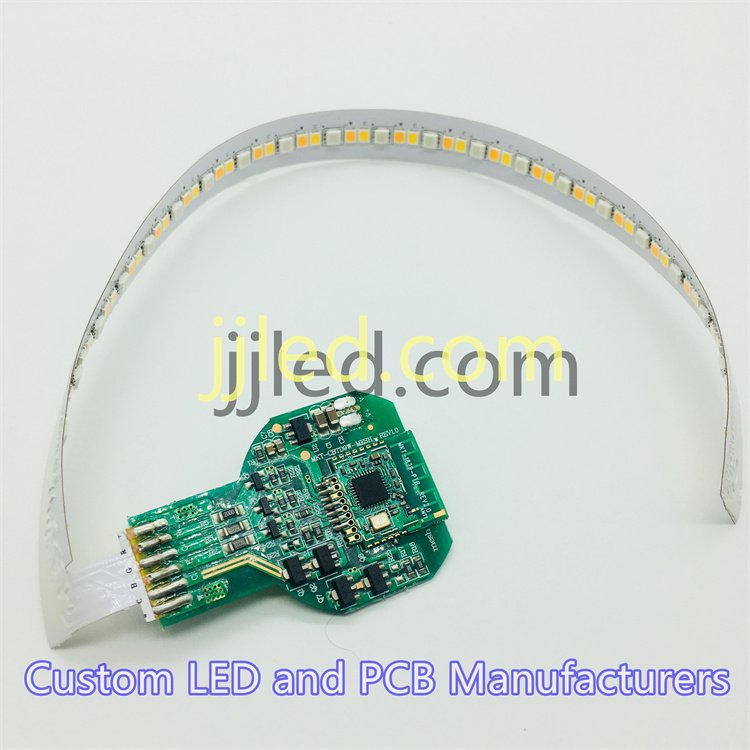
When choosing an LED light controller, these features are essential to match your needs and ensure smooth operation:
| Feature | What to Consider | Why It Matters |
|---|---|---|
| Control Methods | IR remote, RF remote, app-based, wall panels, DMX (for professionals) | Flexibility in how you manage your lights |
| Compatibility | Voltage (12V/24V), LED strip types (single-color, RGB, RGBW), amperage ratings | Prevents damage and ensures proper function |
| Advanced Capabilities | Music sync, timers, customized scenes, multi-zone control | Adds dynamic effects and automation options |
| Build Quality | Waterproof ratings (IP65+ for outdoor), robust casing | Protection for indoor and outdoor use |
| Smart Ecosystem Integration | Support for Alexa, Google Home, or other smart home systems | Enables voice control and easier automation |
Different projects may need different combos from the list above. For example, a home décor setup may prioritize app control and smart assistant integration, while a commercial display might require DMX support and multi-zone features.
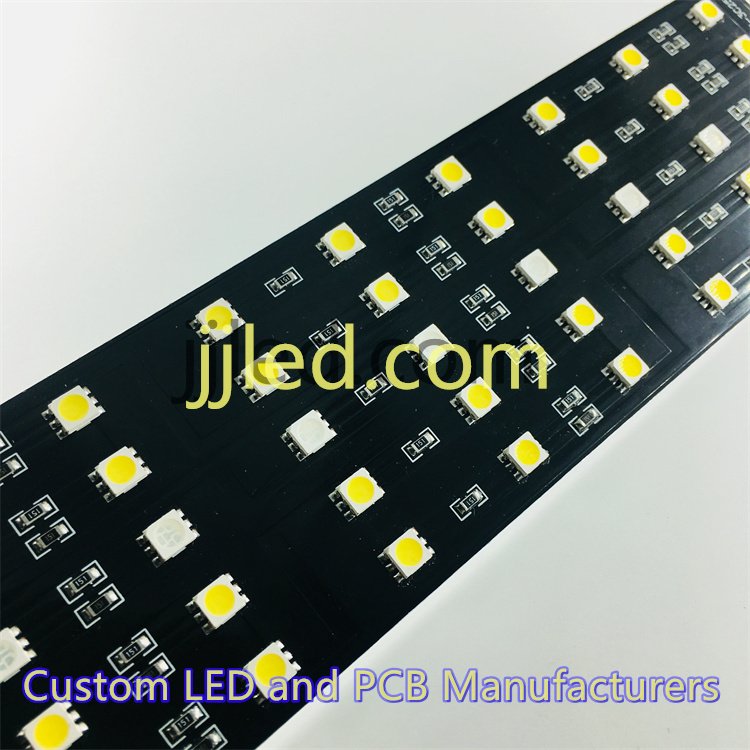
To find quality parts, consider devices tested for various LED strip types and voltages. For reliable components related to LED PCB and controller design, explore trusted suppliers like this LED PCB board collection.
Selecting a controller with the right mix of these features ensures you get excellent performance, ease of use, and long-term reliability.
How to Choose the Right LED Light Controller
Picking the right LED light controller can feel tricky, but breaking it down helps. Here’s how to match your controller to your project needs:
1. Assess Project Needs
- Strip Length: Longer LED strips need controllers that support higher current or allow signal amplification.
- Desired Effects: Simple dimming? Color changes? Music sync or multi-zone control? This defines your controller type (e.g., single-color, RGB, addressable).
- Budget: More features usually mean a higher price. Balance what you want with what you’re willing to spend.
2. Compatibility Checklist
| Factor | What to Check |
|---|---|
| Voltage | Match controller voltage to your LED strip (12V or 24V) |
| Channels | Ensure controller supports required channels (single-color, RGB, RGBW) |
| Protocols | Confirm control protocol (PWM dimming, DMX lighting, WiFi, Bluetooth) |
3. Wired vs. Wireless – Pros and Cons
| Option | Pros | Cons |
|---|---|---|
| Wired | Reliable connection, no delay | Less flexible installation |
| Wireless | Easy remote control, less clutter | Potential interference, battery issues |
4. Recommendations by User Level
- Beginners: Simple single-color or basic RGB controllers with IR remote or app control.
- DIY Enthusiasts: RGBW or smart WiFi/Bluetooth controllers for flexible color and integration.
- Advanced Users: Addressable LED controllers with multi-zone and DMX compatibility for precise effects.
5. Common Pitfalls to Avoid
- Overloading controller channels beyond amp ratings can cause failure.
- Mixing voltage levels between LED strips and controllers leads to damage.
- Ignoring protocol compatibility, especially for addressable LED strips.
Choosing the right LED controller means balancing your technical needs and budget. For detailed design tips and understanding power handling, check out our guide on design considerations for LED circuit boards.
Installation and Wiring Guide for LED Light Controllers
Setting up a basic RGB LED strip with a controller is straightforward if you follow the right steps. Start by connecting your LED light controller to the power supply, making sure the voltage matches—typically 12V or 24V depending on your strip. Next, connect the RGB strip’s wires to the controller terminals, matching the colors correctly (R to R, G to G, B to B). Double-check these connections before powering up.
For longer runs, power drop can cause dimming or color shifts. To fix this, use signal amplifiers or inject additional power at intervals. This ensures consistent brightness and accurate colors throughout your installation.
Key safety tips to keep in mind:
- Always ground your setup properly to avoid electrical hazards.
- Manage heat by not overcrowding strips or controllers in tight spaces.
- Avoid overloading channels; know the amperage limits of both controller and power supply.
- Use proper wire gauges to support the current.
Troubleshooting common issues like flickering, inconsistent colors, or remote pairing problems includes:
- Checking all wiring for loose or incorrect connections.
- Ensuring power supplies deliver stable voltage.
- Re-pairing or resetting smart controllers if remotes or apps don’t respond.
Proper installation is key to getting the most out of your LED light controller, whether for home decor or commercial displays. For professional-quality boards and assembly, you can explore our reliable SMT service for LED product prototyping and custom designs.
For more on selecting the right power supplies and setup tips, check our in-depth resources on red colour LED lighting.
Custom LED Light Controller Design and Manufacturing
Sometimes off-the-shelf LED light controllers just don’t meet the unique needs of your project. That’s where custom LED light controller design comes in—tailored solutions provide exact control over voltages, channels, effects, and integrations, ensuring your lighting works perfectly every time.
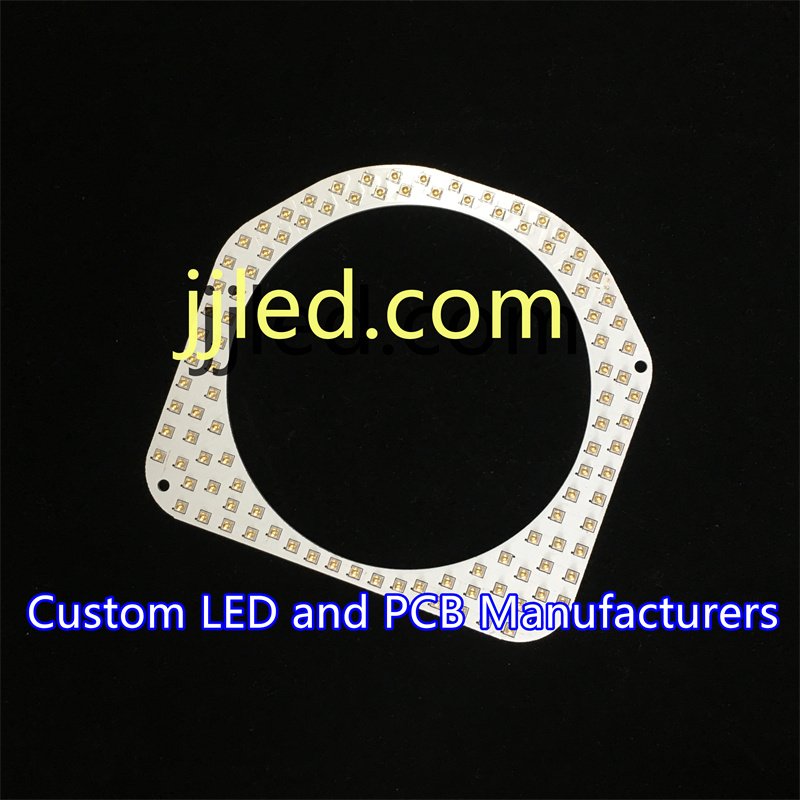
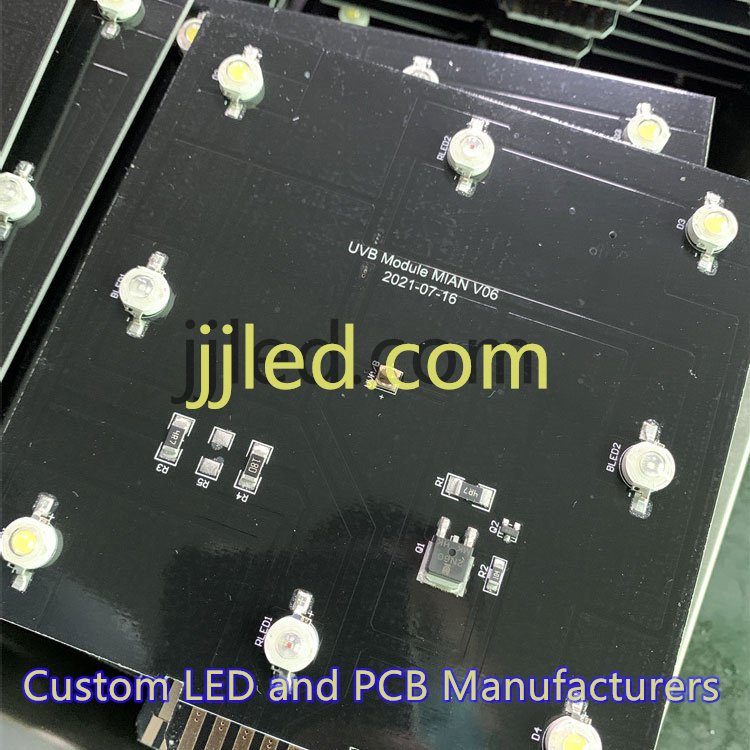
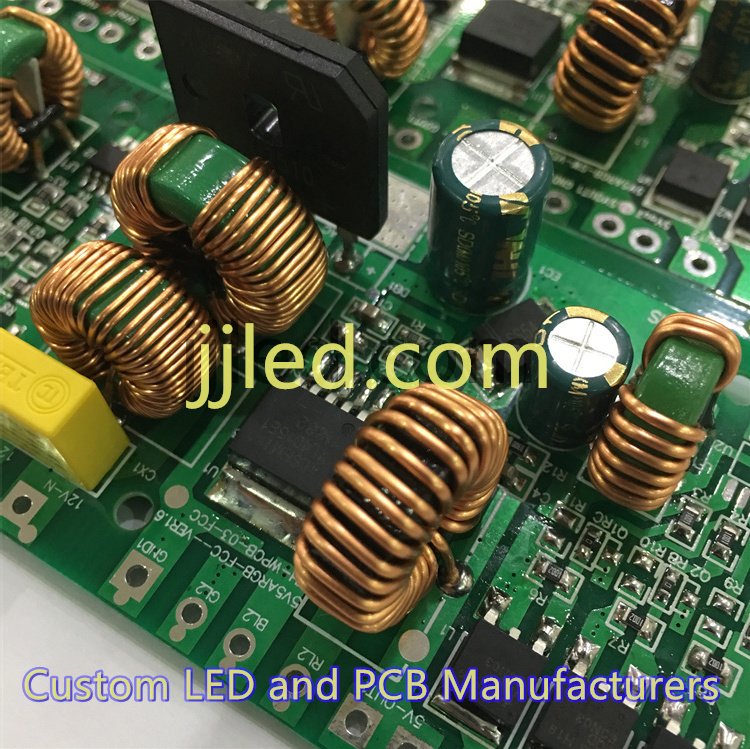
Custom PCB design lets you build controllers optimized for specific requirements like unique dimming curves, special color mixing, or compatibility with advanced protocols. Professional SMT assembly services are key here, guaranteeing precise, reliable production whether you\’re prototyping or moving to full-scale manufacturing.
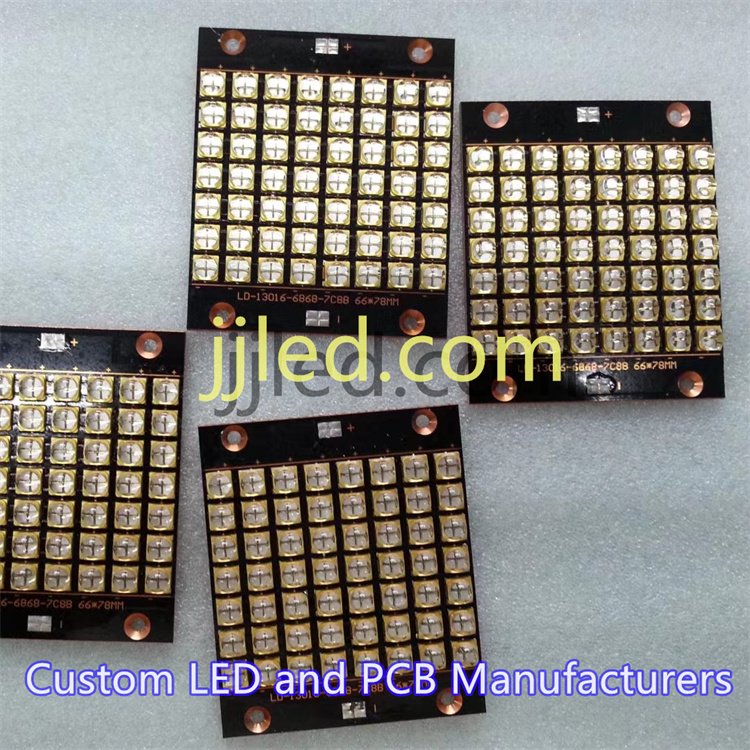
Working with experienced LED prototyping manufacturers means you benefit from high-quality boards built to last, reducing faults and speeding up time to market. From specialized UV LED projects to complex SMD LED integrations, custom designs open doors to innovative applications that standard controllers can’t handle.
For those ready to explore bespoke systems, our custom LED board solutions and SMT service offerings provide proven expertise to bring your LED controller ideas to life.
Maintenance, Upgrades, and Future Trends
Keeping your LED light controller in top shape means regular maintenance and smart upgrades. To extend its lifespan and optimize performance, make sure to keep connections clean, avoid overloading channels, and check for firmware updates if available. Proper heat management and using quality power supplies also play a big role in reliability.
When you’re ready to upgrade, moving to smarter systems like WiFi LED controllers or multi-zone LED controllers can give you more control and flexibility. Expanding zones lets you manage different areas separately, perfect for larger projects or complex lighting setups.
Looking ahead, the future of LED light controllers is bright with trends like AI integration for smarter automation and energy-efficient designs that reduce power consumption. Sustainable manufacturing practices are becoming more popular too, supporting eco-friendly production without sacrificing quality.
For those interested in custom solutions, working with experienced SMT assembly services and LED prototyping manufacturers ensures your controller designs stay cutting-edge and reliable. If you want to dive deeper into manufacturing quality, check out this detailed guide on how LED PCBs are manufactured.
 English
  Spanish
  French
  Portuguese
  Italian