
Understanding Dual Dimmer Switches
A dual dimmer switch for LED lights is a convenient device that allows you to control two separate light sources independently from the same wall plate. This setup is perfect for rooms where multiple lighting zones or fixtures need individualized dimming, such as a living room with overhead lights and wall sconces.
There are several types of dual dimmer switches designed to meet different needs:
- True Dual-Load Dimmers: These switches have two fully independent dimmer circuits within one unit. They control two separate loads without affecting each other, ideal for precise adjustment of LED bulbs or fixtures.
- Stacked/Combination Dimmers: These look like two single dimmer switches stacked vertically in one faceplate but share some internal wiring elements. They are often easier to install but may have limitations with load compatibility or dimming smoothness.
- Low-Voltage Dual Dimmers: Made specifically for controlling low-voltage LED lights, such as LED strip dimmer controllers, these come with special circuitry to handle lower wattage and current, ensuring flicker-free performance.
Choosing the right type depends on your lighting setup and LED compatibility needs. For example, a dual load LED dimmer is essential if you need smooth, flicker-free control over LEDs with different power demands. Understanding these options helps you pick the best dual dimmer switch for your LED lighting projects.
Why LED Compatibility Matters
Not all dual dimmer switches work well with LED lights, so compatibility is key. LEDs behave differently from traditional bulbs, which can cause common dimming issues like flickering, buzzing, or uneven brightness. These problems often happen when the dimmer switch isn’t designed to handle LED loads properly.
To avoid these issues, look for dual dimmer switches that support trailing-edge dimming. This type of dimmer works smoothly with LEDs by controlling the power in a way that prevents flicker and noise. Also, pay attention to the load ratings on the dimmer—LEDs typically draw less current, so the dimmer must be rated for lower loads to function correctly.
Another important factor is making sure the switch is compatible with the specific bulb type you\’re using, whether that’s dimmable LEDs, LED bulbs, or LED strip lights. Checking these details ensures you get true, flicker-free dimming and avoid damage to your fixtures.
For advanced LED setups, including custom LED strip lighting, a properly rated dual load LED dimmer or even a specialized LED strip dimmer controller can make all the difference. If you want to dive deeper into LED dimmer electronics and PCB designs, explore how to create reliable LED dimmer circuits with our detailed LED light circuit board design resources.
Getting the compatibilities right is the first step toward smooth, energy-efficient lighting control.
Top Dual Dimmer Switches for LED Lights in 2026
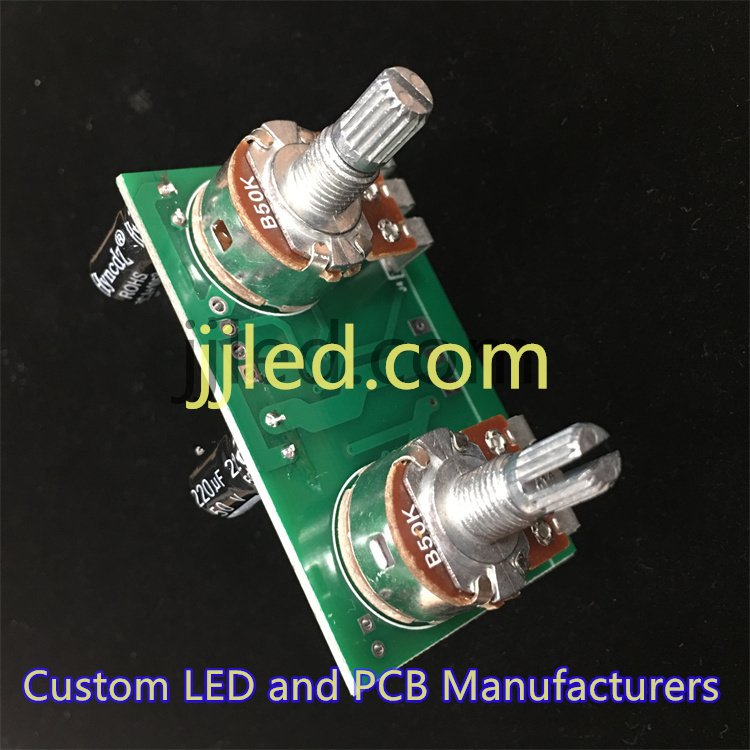
When it comes to choosing the best dual dimmer switch for LED lights in 2026, three models stand out: Lutron Maestro, TOPGREENER Kalide, and Enerlites. Each offers unique features catering to different needs, whether it\’s smooth dimming, easy installation, or smart integration.
Lutron Maestro Dual Dimmer
- Pros: Reliable trailing edge dual dimmer technology ensures flicker-free dimming for a wide range of LED bulbs. It supports both single gang dual dimmer LED setups and stacked dimmer configurations.
- Cons: Slightly higher price point and requires neutral wire for installation.
- Best for: Living rooms and bedrooms where smooth, quiet dimming is a priority.
TOPGREENER Kalide Dual LED Dimmer
- Pros: Budget-friendly option with excellent dual load LED dimmer capabilities; works well with many LED bulbs and is compatible with low-voltage LED strips. Supports both slider and rocker switch styles.
- Cons: May produce minimal buzzing with some bulb brands.
- Best for: Bathrooms or kitchens needing dual slider dimmer switches with LED strip dimmer controller compatibility.
Enerlites Dual Dimmer
- Pros: Easy to install with sturdy build quality. Ideal for custom LED dimmer PCB enthusiasts looking for a versatile dual dimmer switch.
- Cons: Limited advanced features and smart integration compared to others.
- Best for: Utility rooms or custom LED strip light arrangements.
| Model | LED Compatibility | Type | SALE | Best Use | Notes |
|---|---|---|---|---|---|
| Lutron Maestro | High | Trailing-edge dual | AMZ | Living/bedrooms | Smooth, flicker-free dimming |
| TOPGREENER Kalide | Moderate | Dual slider dimmer | AMZ | Bathrooms/kitchens | Affordable, slight buzzing |
| Enerlites | Good | Stacked dual dimmer | AMZ | Utility/custom setups | Simple, reliable |
For those interested in advanced setups, combining these switches with an LED strip dimmer controller or custom LED dimmer PCB can enhance lighting flexibility and control, perfect for creating tailored lighting atmospheres. To explore detailed LED light circuit designs suitable for these dimmers, check out our guide on white LED light circuit PCB boards for helpful insights.
Custom Dual Dimmer Solutions for LED Strips and Advanced Setups
Sometimes, off-the-shelf dual dimmer switches don’t quite fit the bill, especially when dealing with LED strip lights or advanced lighting designs. That’s where custom dual dimmer solutions come in. These are tailored dimmer switches designed specifically for your LED setup, offering precise control and reliable performance.
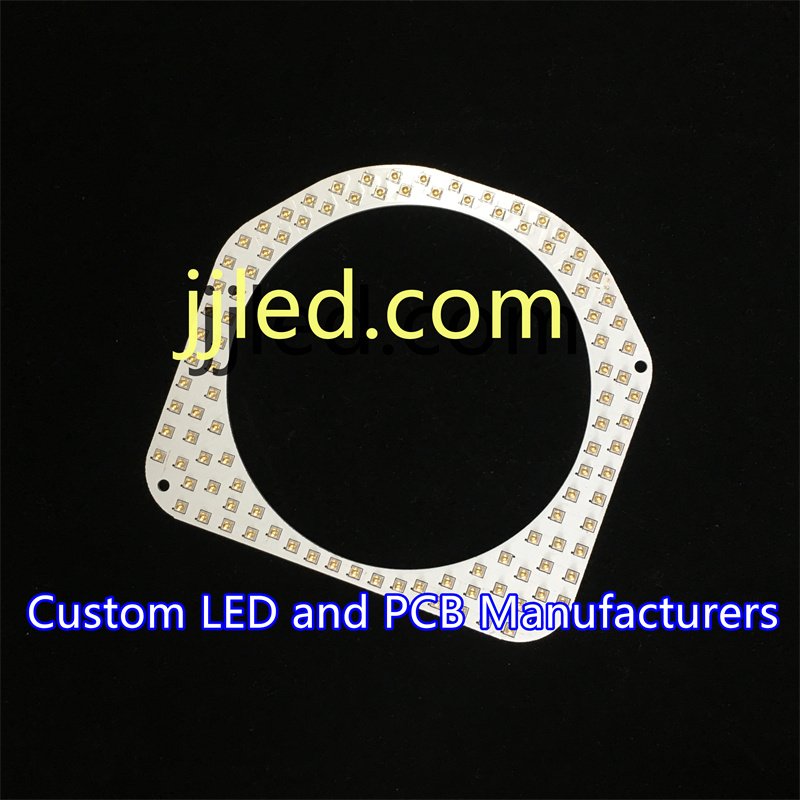
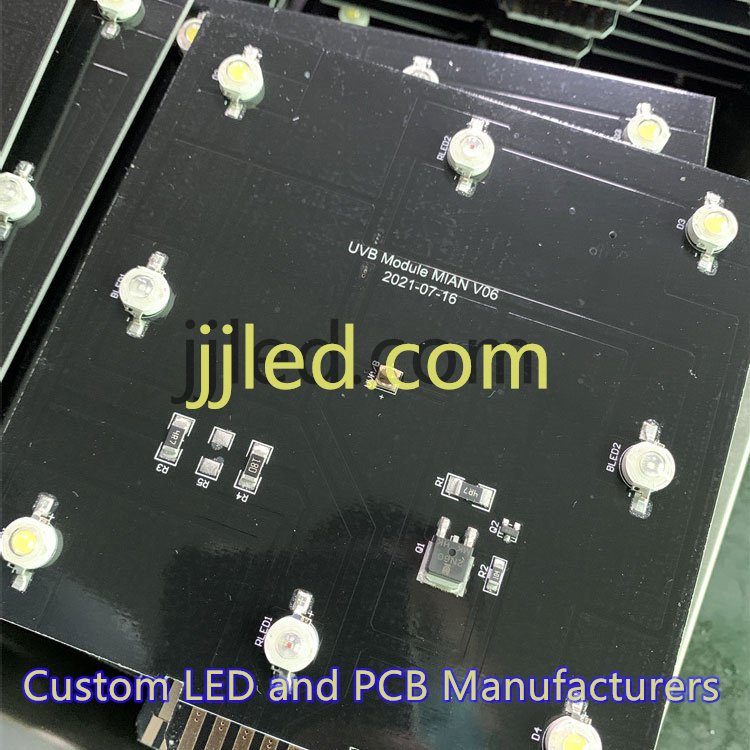
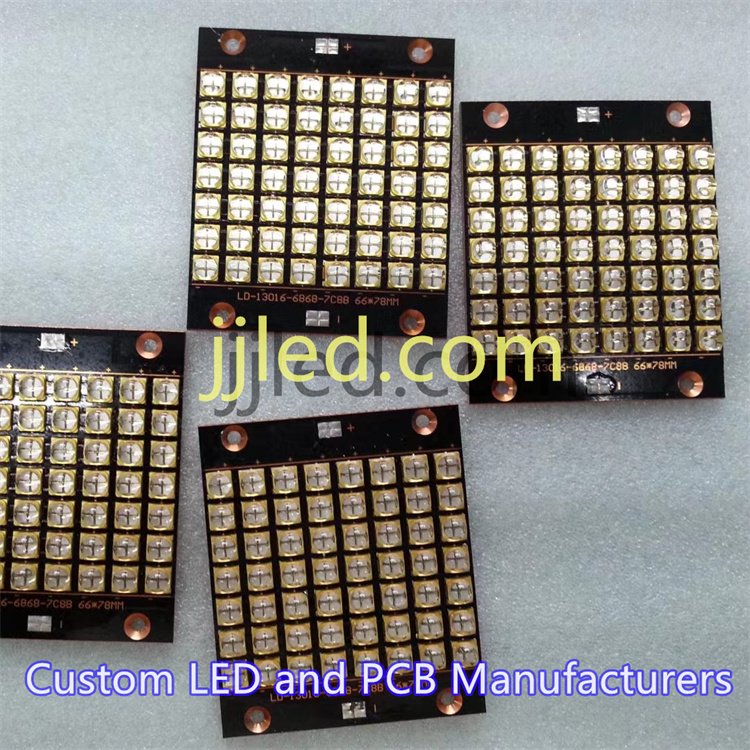
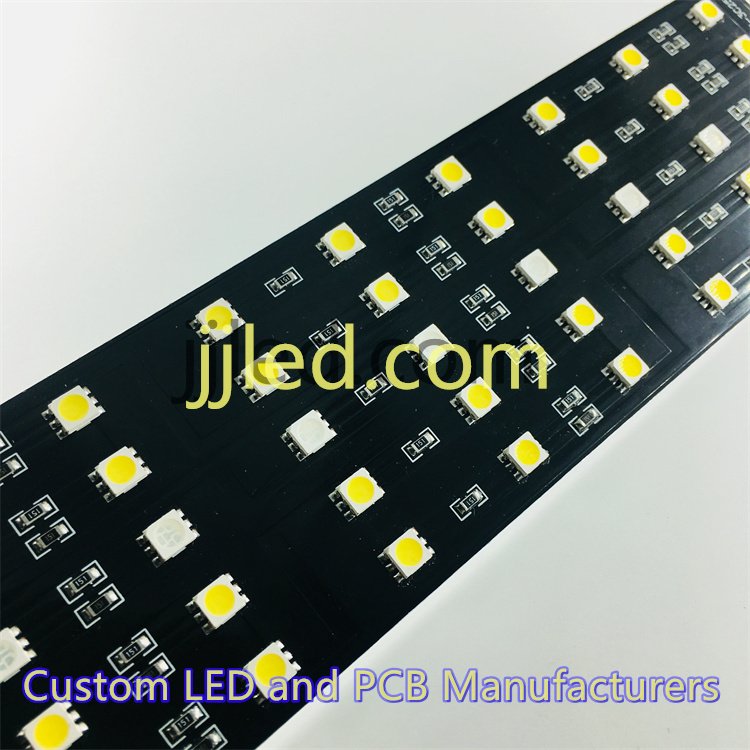
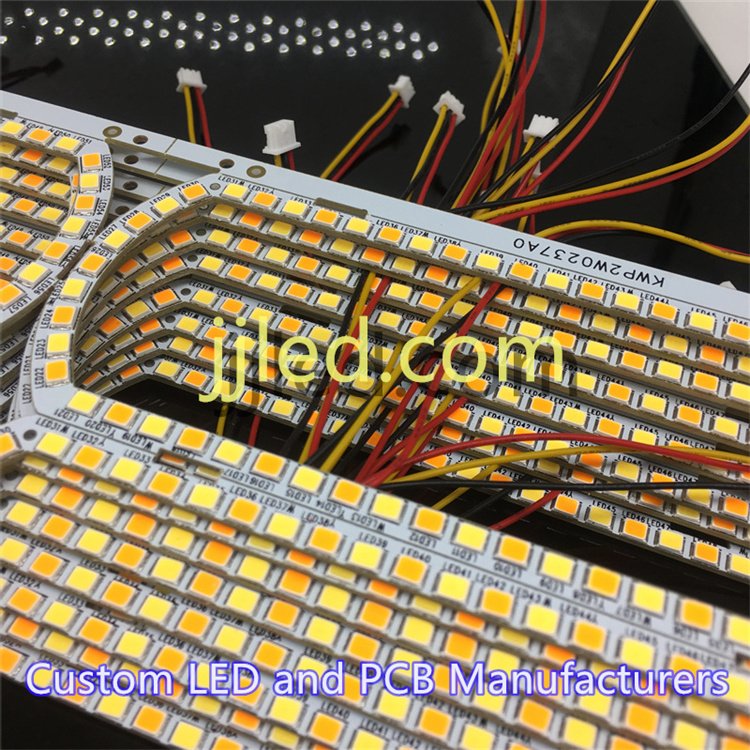
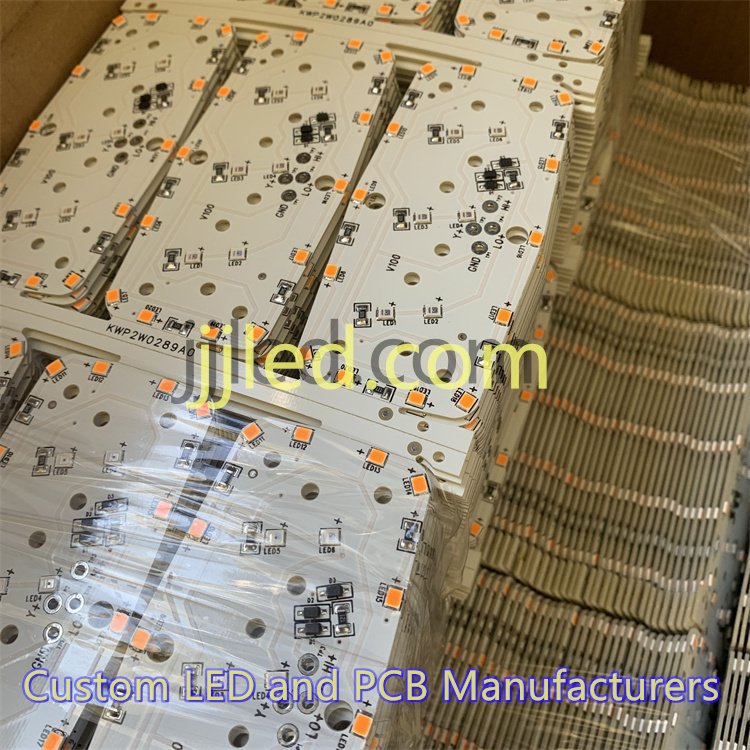
Custom dimmer switches often use specialized circuit boards built to handle the unique power and voltage requirements of LED strips and low-voltage lighting. By using a custom LED dimmer PCB, you get smooth, flicker-free dimming that standard dual load LED dimmers might struggle to deliver. These boards can be engineered to support trailing-edge dimming, ensuring compatibility with a wide range of LED bulbs and strips.
LED strip controllers included in custom solutions let you adjust brightness levels for multiple zones independently or in sync, perfect for creating mood lighting or smart home setups. Plus, these tailored systems often come with enhanced features like smoother slider controls and better heat management, which extend the life of your lights.
For companies or DIY enthusiasts needing highly specific dimming behavior, working with a manufacturer that offers custom LED circuit boards is essential. You can explore professional options like designing bespoke dimmer switch circuit boards suited for LED strips on pages such as our detailed comparison on design considerations for LED circuit boards or review custom production lines showcased on custom LED board.
In short, custom dual dimmer solutions are your best bet for advanced LED strip setups, ensuring compatibility, flexibility, and superior dimming quality without the fuss.
Installation Guide for Dual Dimmer Switches
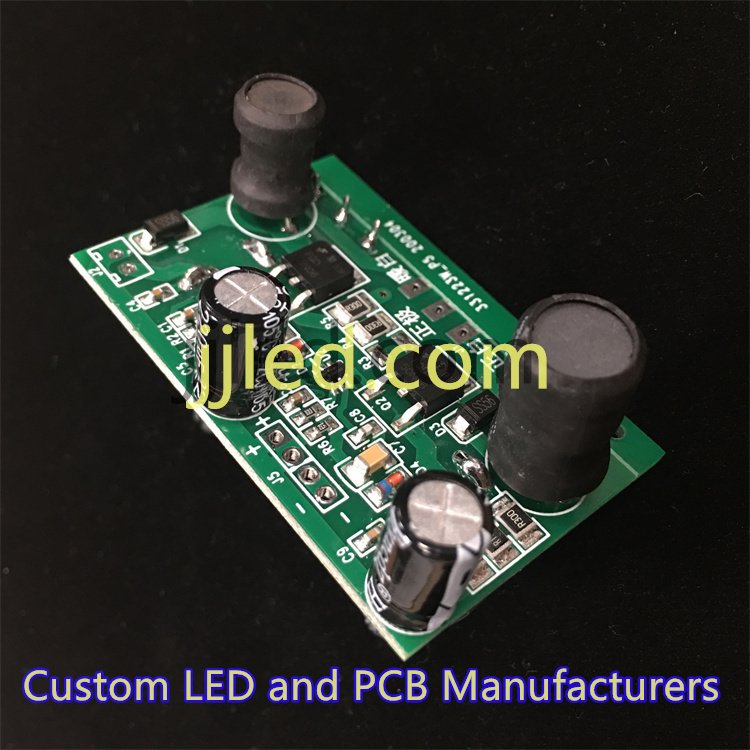
Installing a dual dimmer switch for LED lights can be straightforward if you have the right tools and follow safety steps carefully. Here’s what you need to know before wiring up your dual load LED dimmer or integrating low-voltage LED strips:
Tools You’ll Need
- Screwdrivers (flathead and Phillips)
- Voltage tester or multimeter
- Wire strippers
- Electrical tape
- Wire connectors (wire nuts)
- Drill (if new holes are needed)
- Safety gloves and goggles
Safety Precautions
- Turn off power at the circuit breaker before starting any electrical work.
- Use a voltage tester to confirm power is off.
- Follow your local electrical codes.
- If you’re unsure about any step, don’t hesitate to hire a professional electrician.
Step-by-Step Wiring Instructions
- Remove old switches: Unscrew and gently pull out the existing switches.
- Identify wires: You’ll usually find line (live), load, neutral, and ground wires. Use a voltage tester to label each.
- Connect dual dimmer wires: Match the wires on your dual dimmer switch to the corresponding wires in the wall box. Most dual dimmers have color-coded wires or clear labeling for each channel.
- Secure connections: Twist wires together and use wire nuts. Wrap with electrical tape for extra safety.
- Attach the switch: Carefully push the wires back and screw the switch into the wall box.
- Install faceplate and restore power: Turn the breaker back on and test each dimmer.
Integrating Low-Voltage LED Strips
When dealing with LED strip dimmer controllers or low-voltage setups:
- Use dimmers specifically designed for low-voltage LED strips to avoid flicker.
- Connect the LED strip’s DC power supply to the dimmer controller as per manufacturer instructions.
- Ensure the total load on each dimmer channel matches the LED strips’ wattage.
For advanced dimming with LED strips, consider custom LED dimmer PCB solutions tailored to your setup needs. More on PCB manufacturing processes can be found in our detailed guide on how LED PCBs are manufactured.
When to Hire a Professional
- If the wiring is old or complex.
- If you’re unfamiliar with electrical systems.
- For installations involving multiple circuits or custom dimmer setups.
Proper installation ensures your dual slider dimmer switch or stacked dimmer switch for LEDs works safely and effectively, avoiding common LED dimming problems like buzzing or flickering.
Troubleshooting Common Issues with Dual Dimmer Switches for LED Lights

Even the best dual dimmer switch for LED lights can sometimes face problems like flickering, buzzing, uneven dimming, or overheating. Here’s how to tackle these common issues quickly and keep your LED setup running smoothly.
Fixing Flickering and Buzzing
- Check bulb compatibility: Not all LED bulbs work well with every dual load LED dimmer. Make sure your bulbs are rated for trailing-edge dimming, which helps reduce flicker and noise.
- Load imbalance: If one dimmer side has a much lower load, flickering can happen. Try adding more compatible LEDs or a dummy load to balance it out.
- Loose wiring: Flicker and buzz may come from loose connections. Double-check terminal screws and wire nuts for a solid fit.
Solving Uneven Dimming
- Match bulb types: Mixing different LED bulbs or pairing LEDs with traditional bulbs can cause uneven dimming. Stick to the same type and brand if possible.
- Correct dimmer model: A stacked dimmer switch for LEDs that isn’t designed for low loads may struggle. Consider upgrading to a true dual-load or trailing edge dual dimmer.
Preventing Overheating
- Load within ratings: Overloading your dual slider dimmer switch can cause heat buildup. Check that total wattage stays below the dimmer’s max load.
- Ensure ventilation: Dimmer switches need airflow. Avoid installing them in tight or enclosed boxes without space to dissipate heat.
Maintenance Tips
- Regular checkups: Periodically inspect wiring and switch operation to catch problems early.
- Use quality components: Investing in high-quality dual dimmers like the Lutron Maestro dual dimmer helps avoid wear and tear issues.
- Professional help: If you’re unsure or continuing to have trouble, hiring an electrician can prevent mistakes and safety risks.
If you want detailed help with installation or custom troubleshooting solutions, check out our comprehensive dual dimmer installation guide and explore our range of custom LED dimmer PCB boards. Keeping your dual dimmer switch LED compatible and well-maintained ensures a flicker-free, quiet, and smooth dimming experience every time.
Buying Guide and FAQs for Dual Dimmer Switches for LED Lights
When buying a dual dimmer switch for LED lights, there are some key factors you should consider to get the best performance and compatibility:
- Wattage and Load Ratings: Make sure the dimmer supports your total LED wattage. Overloading can cause flickering or damage.
- Bulb Type Compatibility: Check if the dimmer works with LEDs, CFLs, or incandescent bulbs. Look specifically for dual load LED dimmer options that handle LEDs well.
- Dimming Technology: Trailing-edge dimmers are usually better for LEDs because they provide smoother, flicker-free dimming.
- Smart Integration: If you want smart home compatibility, look for dimmers that support Wi-Fi, Zigbee, or other smart platforms.
- Switch Type: Decide between a dual slider dimmer switch or toggle types based on your preference and installation space.
Where to Buy Dual Dimmer Switches
You can find quality dimmers from trusted manufacturers and suppliers specializing in LED lighting solutions. Many brands offer models tailored for LED strips and household lighting. For specific needs like custom LED dimmer PCBs or LED strip dimmer controllers, specialized suppliers provide professional-grade options that fit advanced setups.
Common FAQs
Can I use any dual dimmer switch with LED lights?
No. You need LED-compatible dimmers, preferably trailing-edge or ones labeled as stacked dimmer switch for LEDs.
Why does my LED flicker with a dimmer?
Flickering often happens when the dimmer load is too low, or it’s not designed for LED. Matching wattage and dimmer types fixes this.
Can I install a dual dimmer switch myself?
Basic installations are manageable with the right tools, but for complex low-voltage LED strips or custom dimmers, hiring a professional is safer.
Do dual dimmer switches save energy?
Yes. Dimming LED lights reduces power usage significantly, helping lower energy bills while extending bulb life.
For more detailed LED lighting choices, exploring high-quality options like high CRI white LEDs can improve color accuracy and overall lighting quality.
Following these tips ensures your dual dimmer switch will perform well, offer smooth lighting control, and enhance your home’s smart lighting setup without the usual LED dimming issues.
 English
  Spanish
  French
  Portuguese
  Italian