

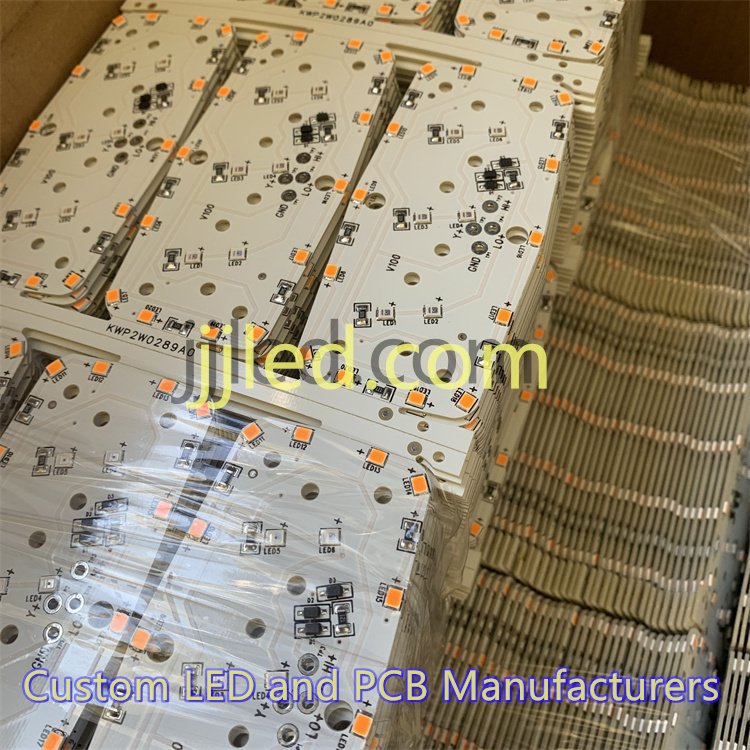
Understanding LED Strip PCB Fundamentals
When selecting the right LED strip PCB board, it’s essential to understand the key components and design factors that impact performance, durability, and application suitability.
Key Components: Substrate Materials
The substrate forms the base of the LED strip PCB, directly affecting heat dissipation and flexibility. Common materials include:
| Substrate Material | Features | Best Use Cases |
|---|---|---|
| Polyimide | Flexible, lightweight, heat resistant | Flexible LED PCBs, tight curves |
| FR4 | Rigid, standard PCB material | Basic indoor lighting, low-cost strips |
| Aluminum | Excellent heat conduction, lightweight | High-power LED strips, heat-sensitive setups |
Choosing the right substrate ensures your LED strip maintains longevity and performance even under continuous operation.
Single-Layer vs. Double-Layer PCBs
Understanding the PCB layering is crucial for heat management and durability:
- Single-layer PCB:
- Simpler construction
- Lower cost
- Suitable for low-power, standard LED strips
- Double-layer PCB:
- Offers better thermal dissipation
- More robust and durable
- Ideal for high-power LED strips and demanding environments
Copper Thickness: 1oz vs. 2oz
Copper thickness in the PCB influences current handling and heat dissipation:
| Copper Thickness | Current Handling | Heat Dissipation | Common Use |
|---|---|---|---|
| 1oz (35μm) | Up to ~1A per track | Basic heat conduction | Standard LED strip PCBs |
| 2oz (70μm) | Up to ~2A per track | Improved heat spread | High-power and high-density LED strips |
Opting for thicker copper means safer operation at higher currents and longer LED lifespan.
PCB Width Options
LED strip PCB widths vary by application and power:
- Ultra-slim (5mm):
- Compact spaces
- Low-power, aesthetic lighting
- Standard (8-10mm):
- General indoor/outdoor use
- Balanced brightness and flexibility
- High-power (12-15mm):
- Enhanced heat management
- High LED density and brightness
Selecting the right PCB width supports both your design needs and lighting intensity.
By fully understanding these fundamentals — substrate material, PCB layering, copper thickness, and width — you can better choose or customize the perfect LED strip PCB board for your project.
Types of LED Strips and Their PCB Requirements
Choosing the right led strip pcb board depends a lot on the type of LED strip you\’re working with. Different strips have unique PCB needs based on their design, control features, and environment.
| LED Strip Type | PCB Requirements | Key Applications |
|---|---|---|
| Single-Color LED Strips | Simple single-layer PCB, often with 1oz copper for basic heat dissipation | Basic lighting: under-cabinets, shelves |
| RGB & RGBW LED Strips | More complex PCB layout to support multiple color channels; often double-layer PCBs for better heat handling | Mood lighting, dynamic displays, HVAC panels |
| Tunable White (CCT) & Addressable Strips | Requires PCBs designed for multiple LED chips per segment and additional control circuitry; often flexible polyimide substrate | Advanced lighting control, smart homes, architectural accent |
| Waterproof LED Strips (IP65/IP68) | PCB coated or laminated with silicone or epoxy for protection; substrates often aluminum for heat dissipation | Outdoor, wet areas, automotive lighting |
Single-Color LED Strips
Single-color strips use straightforward PCB designs, focusing on durability and cost. These PCBs are mostly single-layer with standard thickness copper that handles moderate current and heat. They\’re perfect for basic lighting needs, where color control isn\’t needed.
RGB and RGBW LED Strips
These require more from the RGB LED PCB design. The PCB has to route multiple control lines for red, green, blue, and white LEDs. Because of the complexity and extra heat generated, double-layer PCBs or aluminum-based substrates are common to improve heat dissipation and durability. You can find detailed designs and examples in our RGBW LED strip collection.
Tunable White (CCT) and Addressable Strips
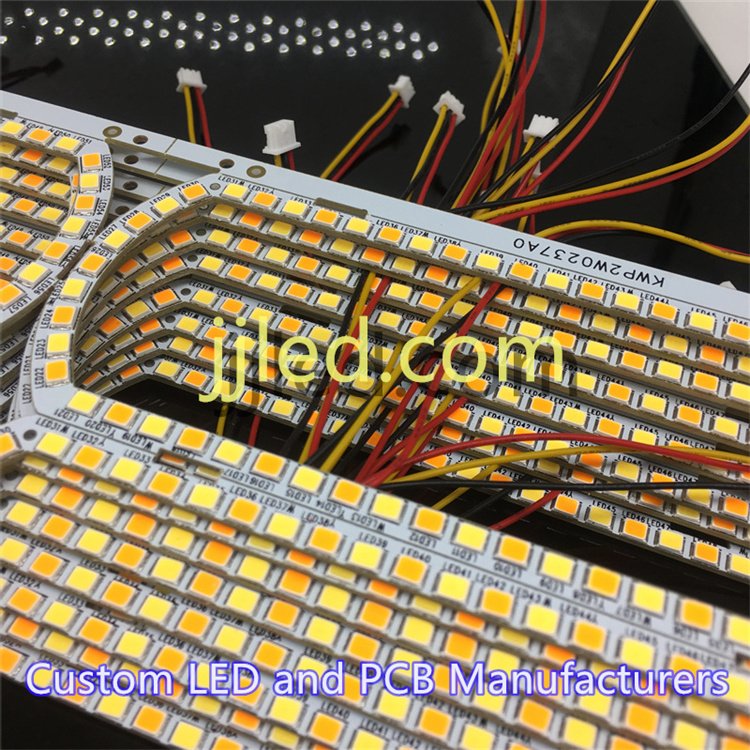
For advanced lighting control, these strips use multiple LEDs with different color temperatures or individually addressable LEDs. Their PCBs are designed to support complex circuits and flexible control; polyimide flexible PCBs are popular here. These boards allow seamless color temperature tuning, ideal for smart lighting solutions.
Waterproof Variants (IP65/IP68)
Waterproof LED strip PCBs must resist moisture and dust. This means extra coating layers like silicone or epoxy over the PCB and components. Aluminum substrates help manage heat, especially in sealed conditions where airflow is limited. Check out our waterproof LED flex PCB options for more.
Understanding these types helps you pick the best pcb board for your led strip projects—whether you need basic lighting or advanced, durable solutions.
How to Choose the Right LED Strip PCB Board
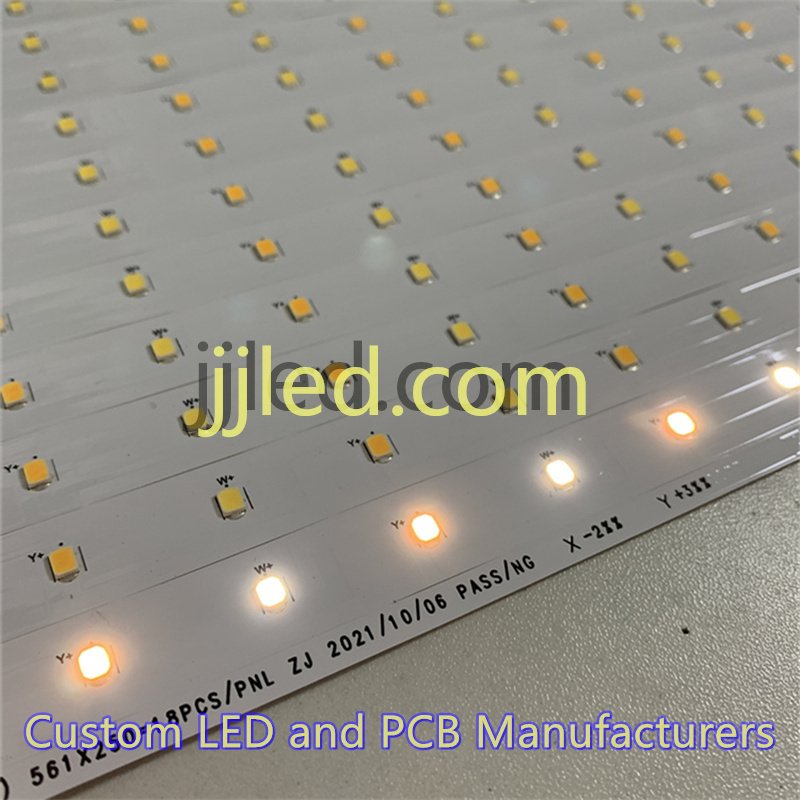
Picking the right led strip pcb board comes down to a few key factors that impact performance and lifespan.
| Factor | What to Consider |
|---|---|
| Brightness | Higher brightness means more power and heat. Choose PCBs that handle heat well. |
| LED Density | More LEDs per meter need better PCB design for current and heat dissipation. |
| Voltage (12V vs 24V) | 24V strips allow longer runs with less voltage drop; PCB traces must match voltage requirements. |
| Power Consumption | Higher power needs thicker copper and often double-layer PCBs for safety and durability. |
Heat Management: Double-Layer and Copper Thickness Matter
Heat is the biggest enemy of LED strips. Double-layer PCBs allow better heat spread, which keeps LEDs cooler and extends their life. The copper thickness also matters:
- 1oz Copper: Standard, good for low power strips.
- 2oz Copper or more: Recommended for high-power LED strips to handle increased current and improve heat dissipation.
Black vs. White PCB: Aesthetic and Visibility
- White PCBs reflect more light, making them brighter and popular for general use.
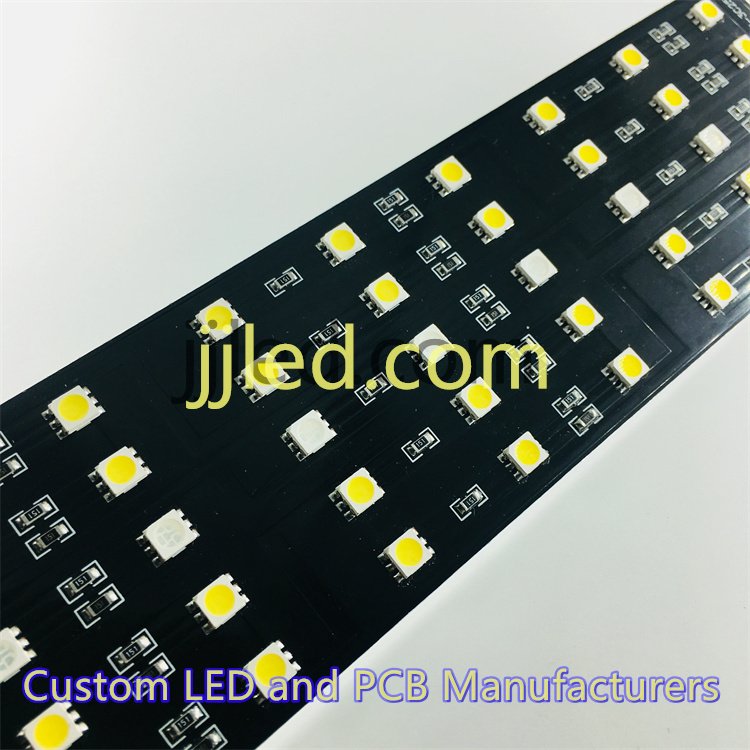
- Black PCBs look sleek and are good for applications where the strip is partially visible or for contrast, but they absorb more heat, which can affect performance.
Match PCB Type to Installation
- Indoor Uses: Standard flexible or rigid PCBs are fine, focus on light output and flexibility.
- Outdoor/Waterproof: Choose PCBs with silicone or other moisture protection layers for durability.
- Curved or Custom Shapes: Flexible PCBs like polyimide-based strips fit curves well without damage.
For high-power or special projects, check out our custom high-power aluminum LED PCB options which excel at heat management and durability in demanding installations custom high-power aluminum LED PCB.
Choosing the right combination of brightness, power, and PCB design ensures your LED strip performs reliably in any setting.
Custom LED Strip PCB Boards: Benefits and Process
Custom LED strip PCB boards give you the freedom to design lighting exactly how you need it. Whether it\’s a unique length, specific colors, or LED density, customization lets you tailor the strip for your application perfectly.
Advantages of Custom LED Strip PCBs
- Tailored Lengths & Shapes: Fit tight spaces or unusual layouts with options like S-bend designs.
- Custom Colors & Densities: Choose from single-color, RGB, or tunable white LEDs arranged exactly how you want.
- Higher CRI & Specific Color Temps: Ideal for settings needing natural light quality or unique ambiance.
- Material Choices: From flexible polyimide boards to aluminum substrates for high power and heat dissipation.
Common Custom Features
| Feature | Benefit | Example Use |
|---|---|---|
| S-Bend Designs | Curves without cutting | Architectural lighting corners |
| High CRI LEDs | Better color rendering | Museums, retail displays |
| Specific Color Temps | Warm to cool white options | Home decor, hospitality lighting |
| Custom PCB Material | Enhanced durability or flexibility | Outdoor or automotive lighting |
Customization Process Steps
- Consultation: Discuss your needs including length, brightness, color, and shape.
- Design & Prototype: Manufacturer creates a prototype based on your specs.
- Testing: Check performance, heat management, and durability.
- Production: Full-run manufacturing of your custom LED strip PCB boards.
- Delivery & Support: Receive product with installation guidance.
Working with a trusted custom led strip pcb board manufacturer ensures your design matches performance expectations. For specialized projects like RGB color mixing or addressable LED strips, check out services like our custom RGB PCB LED solutions for expert manufacturing.
Real-World Applications
- Home Decor: Custom lengths and warm white LEDs for cozy under-cabinet or cove lighting.
- Architectural Lighting: Unique shapes and high density LED boards to highlight design details.
- Automotive: Flexible aluminum PCB strips molded for specific vehicle parts, supporting durability and heat dissipation.
Custom LED strip PCB boards unlock possibilities beyond standard options. If you want lighting that fits your project perfectly, custom design is the way to go. Explore how tailored LED boards can transform your lighting setup with reliable manufacturers ready to help.
Design Tips for Optimal LED Strip PCB Performance
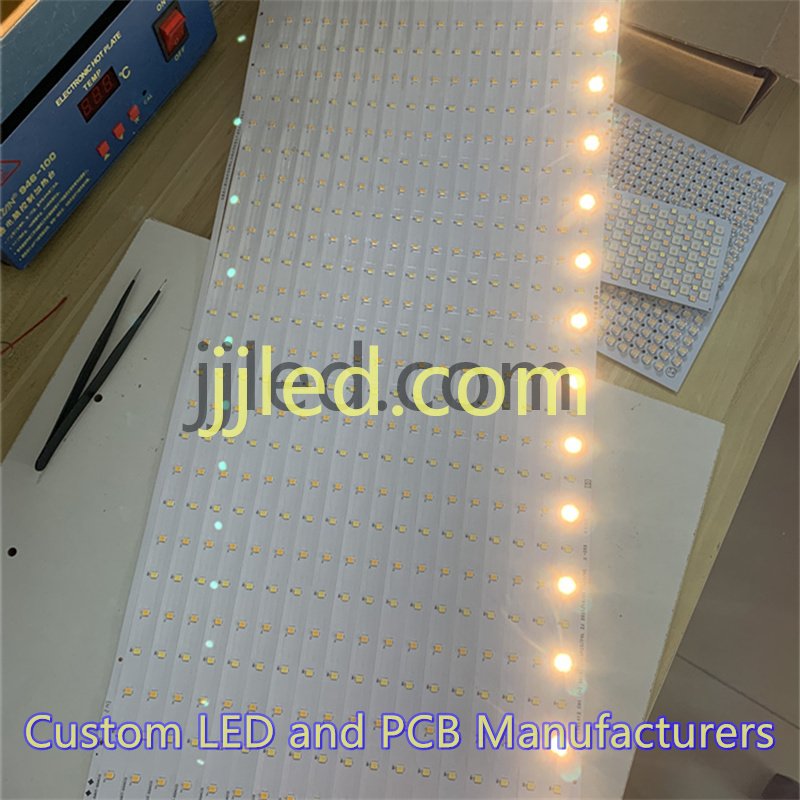
Optimizing your LED strip PCB board starts with smart thermal management. Heat is the main enemy of LED lifespan and brightness. Use thicker copper (like 2oz) or double-layer PCBs for better heat dissipation. Aluminum LED PCBs are another great option for high-power strips as they spread heat efficiently.
Voltage drop prevention is key too—especially on longer runs. Keep your PCB width wide enough and consider using 24V strips instead of 12V for less voltage drop over distance.
When picking LED chips, know the pros and cons of popular types like:
- 2835 LED chip: Energy efficient with good brightness; ideal for general use. Check out high-quality 2835 SMD LED chips for reliable performance.
- 5050 LED chip: Bigger and brighter, perfect for RGB or multi-color LED strip PCB designs.
- 2216 LED chip: Ultra-slim for compact, flexible strips but with moderate brightness.
For installation, follow key guidelines:
- Cut only at marked points to avoid damaging circuits.
- Use proper soldering or connectors designed for flexible LED PCBs to maintain strong electrical contact.
- Ensure good mounting practices—adhesive backing works for smooth surfaces, but consider clips or channels for uneven or curved installations.
Avoid common mistakes like running high-power strips on thin copper boards or ignoring heat buildup—these lead to early failure. Also, don’t mix PCB types or skip proper connections; it can cause flicker or uneven brightness.
For deep insights on circuit design and ensuring your LED strips perform flawlessly, check the detailed guide on LED driver circuit design.
Following these simple design and installation tips will help you get the best out of your custom LED strip PCB board, no matter the project.
Applications of LED Strip PCB Boards
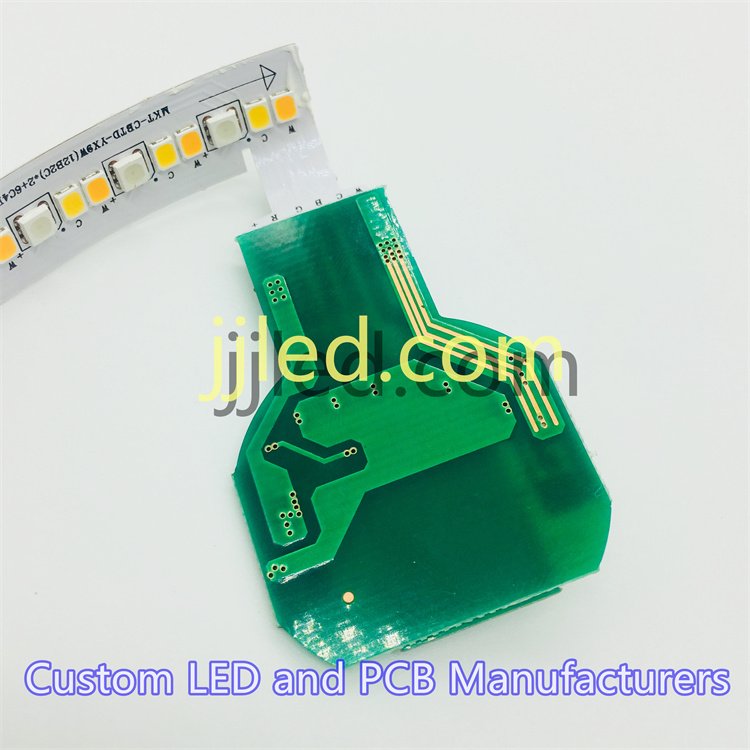
LED strip PCB boards have become a go-to solution across various sectors thanks to their flexibility, efficiency, and ease of installation.
Residential Uses:
- Accent lighting for shelves, alcoves, and wall features
- Under-cabinet lighting in kitchens for better task visibility
- Cove lighting to create soft, indirect illumination that enhances room ambiance
Commercial Applications:
- Retail displays and shelving where bright, uniform lighting attracts customers
- Signage and advertising boards requiring vibrant color options and clear visibility
- Hospitality venues like hotels and restaurants for mood lighting and accent effects
Industrial and Outdoor Uses:
- High-power LED strips on aluminum LED PCB boards offer durability and excellent heat dissipation for factory floors
- Outdoor lighting solutions, including security and landscape lighting with waterproof LED flex PCB designs to withstand weather conditions
Choosing the right LED strip PCB board tailored to these applications ensures optimal brightness, longevity, and performance. For commercial and decorative lighting needs, exploring different LED strip color options and configurations can significantly improve the visual impact and energy efficiency of your installations.
If you want to dive deeper into how different LED colors can serve your lighting projects, check our detailed guide on red, white, and blue LED lights.
FAQs About LED Strip PCB Boards
What is the difference between single-color and RGB LED strip PCBs?
Single-color LED strip PCBs are designed with LEDs of one color, ideal for simple lighting needs like accent or task lighting. RGB LED strip PCBs include red, green, and blue LEDs on the same board, allowing color mixing and creating millions of colors. This requires a more complex PCB layout to handle multiple circuits and controllers.
How does PCB quality affect LED lifespan?
The quality of the LED strip PCB board directly impacts heat dissipation and electrical stability. Higher-quality PCBs, especially those with aluminum substrates or double-layer designs, dissipate heat better, preventing LED overheating and premature failure. Poor-quality PCBs can lead to voltage drops or hotspots that reduce the LED lifespan.
Can I get fully custom lengths and colors?
Yes, custom LED strip PCB boards can be tailored to your exact length, color, density, and shape requirements. Whether you need ultra-slim PCBs for tight spaces or high-density PCB boards with specific LED colors (including high CRI or tunable white options), customization is straightforward with trusted manufacturers.
What are the benefits of double-layer PCBs?
Double-layer LED strip PCBs offer improved heat management thanks to better copper layering and internal routing. This enhances durability and supports higher power outputs without overheating. They also provide enhanced electrical performance, reducing voltage drop over longer strips.
How to ensure proper heat dissipation in high-power strips?
Effective heat dissipation comes down to choosing the right substrate materials—aluminum PCBs are popular for high-power LED strips due to their thermal conductivity. Using thicker copper layers (like 2oz copper) and double-layer PCB boards also helps spread heat efficiently. Proper installation with heat sinks or thermal pads can further improve thermal management.
For more on the importance of substrate materials and manufacturing processes, check out our detailed guide on how LED PCBs are manufactured and the advantages of aluminum LED PCBs.
 English
  Spanish
  French
  Portuguese
  Italian