
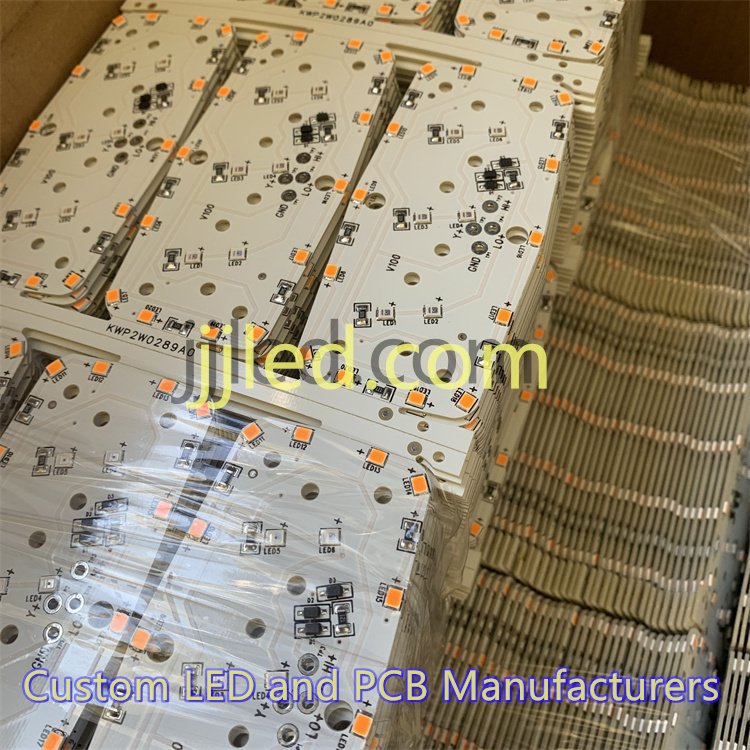
When it comes to LED visual light, achieving consistent, precise illumination is about more than just the LED diode itself. In industrial settings—especially for machine vision and quality assurance—the stability of the entire lighting system hinges on the underlying PCB design. Variations in thermal performance and electrical consistency directly impact wavelength stability, color rendering, and ultimately, the accuracy of visual inspections. That’s why integrating advanced PCB architectures with expert thermal management is essential. If you’re developing high-CRI, high-precision LED lighting systems, understanding how your PCB influences the visible spectrum illumination is critical—because superior light starts from the circuit up.
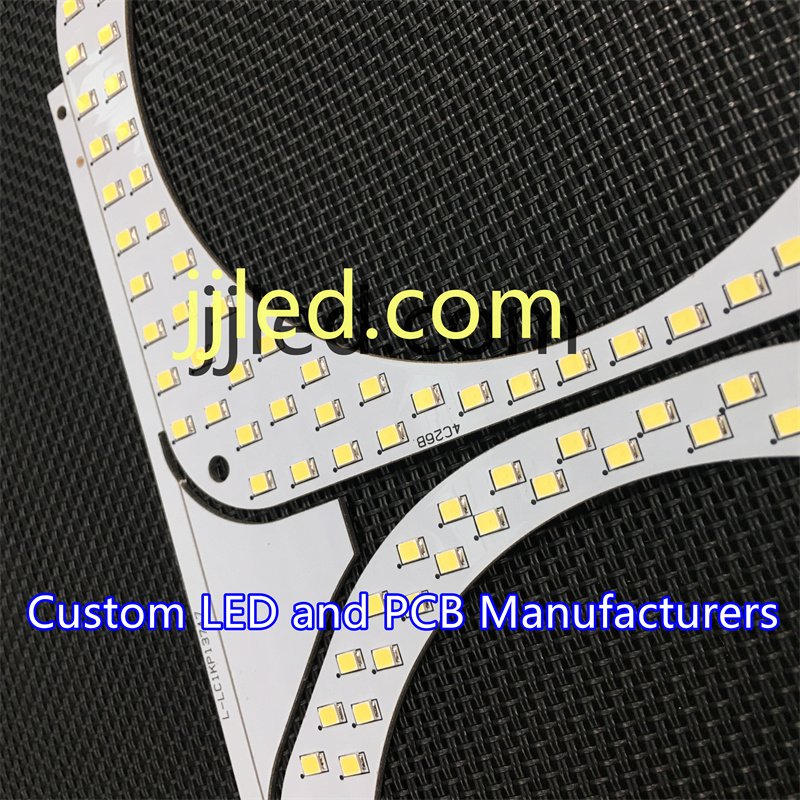
Decoding the Visible Spectrum in Industrial Applications
Understanding the visible spectrum illumination is critical for industries relying on precise visual feedback. In manufacturing environments, especially those using machine vision lighting systems, controlling the exact wavelength and light quality ensures accurate detection, measurement, and inspection results.
Wavelength Precision
High accuracy in wavelength selection impacts the ability to highlight specific features or defects. Variabilities can cause inconsistencies in object recognition, making precise wavelength stability vital for repeatable outcomes. Industrial LED systems often target narrow wavelength bands tailored to the inspection task.
Photometric Metrics
Reliable photometric consistency underpins effective lighting. Key metrics include luminous flux, intensity uniformity, and color temperature uniformity. These determine how well the LED source supports human and machine interpretation of visual data, directly influencing quality assurance success.
Spectral Power Distribution (SPD)
SPD defines how energy output is distributed across different wavelengths. A well-characterized SPD profile enables optimization of high-CRI LED assembly, improving color rendering and visual clarity in diverse industrial tasks. Maintaining this profile requires attention during both design and production phases, especially when integrating with China LED light PCB technologies.
By decoding these elements with precision, we ensure industrial illumination systems deliver consistent, application-specific light characteristics essential for robust quality control and efficient operation.
The Role of PCB Substrates in Maintaining Visual Fidelity
The quality of LED visual light heavily depends on the printed circuit board (PCB) substrate. The substrate affects thermal management, which in turn impacts wavelength stability and color consistency across the visible spectrum illumination. Poor heat dissipation leads to LED junction temperature rises, causing unwanted color shift and reduced luminous flux.
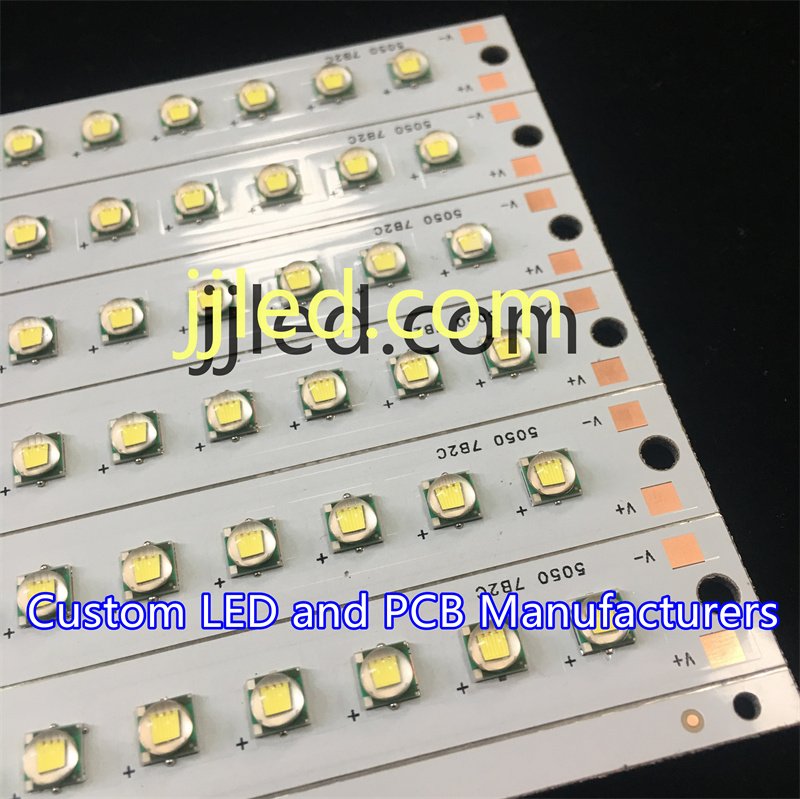
Thermal Management & Color Shift
- Effective heat spreaders like aluminum core PCBs (MCPCB) keep LEDs running cooler.
- Lower junction temperatures maintain stable color temperature uniformity.
- Proper thermal design prevents accelerated LED degradation and preserves photometric consistency.
| Substrate Type | Thermal Conductivity | Impact on Color Stability |
|---|---|---|
| Aluminum Core PCB | High | Best for minimizing color drift |
| FR-4 Standard PCB | Low | Higher risk of heat-induced shift |
| Ceramic PCB | Moderate to High | Good heat management, but costlier |
Material Selection
Choosing the right PCB substrate also influences assembly precision and durability. MCPCBs are favored for high-CRI LED assembly due to their superior heat dissipation. For complex layouts, rigid-flex LED circuits offer flexibility without sacrificing thermal or electrical performance.
Soldermask Options
Soldermask color and material affect LED light output and reflection:
- White soldermask improves light extraction and enhances luminous flux.
- Black soldermask reduces unwanted reflections but might impact brightness.
- High-quality soldermask materials contribute to durability in harsh industrial environments.
For custom requirements, our PCB assembly services ensure substrate and soldermask choices tuned for optimal visual light performance, balancing thermal solutions with spectral power distribution goals.
Maintaining visual fidelity means starting from the substrate—get it right, and the rest of your LED system stays solid.
Illumination Techniques for Machine Vision & Quality Assurance
In industrial settings, the right illumination technique is key for reliable machine vision and quality assurance. Different lighting methods highlight distinct features, making inspection accurate and efficient.
Backlighting and Contour Inspection
Backlighting is commonly used to outline objects by creating a clear silhouette. This technique excels in detecting edges, holes, or shape irregularities. It’s especially useful in assembly lines where multiple parts need quick validation. Precise visible spectrum illumination ensures crisp contrast, crucial for automated optical inspection (AOI) systems.
Coaxial and Ring Lighting
Coaxial lighting directs light straight onto reflective or shiny surfaces, reducing glare and enhancing detail visibility. On the other hand, ring lighting surrounds the camera lens with LEDs, offering uniform light distribution ideal for flat or textured surfaces. These setups ensure photometric consistency, vital for consistent quality checks.
Strobing vs. Continuous Lighting
Choosing between strobing and continuous LED visual light depends on application needs. Strobing provides brief, high-intensity pulses, which freeze fast-moving objects without motion blur—perfect for high-speed inspections. Continuous lighting offers steady illumination, better for detailed analysis where constant light and color temperature uniformity matter.
Balancing these techniques ensures optimal visual fidelity for machine vision systems. For tailored LED board solutions supporting these lighting methods, our custom led light PCB board assembly services can meet specific industrial requirements. Also, exploring high-quality LED light driver boards helps maintain stable performance and luminous flux maintenance across applications.
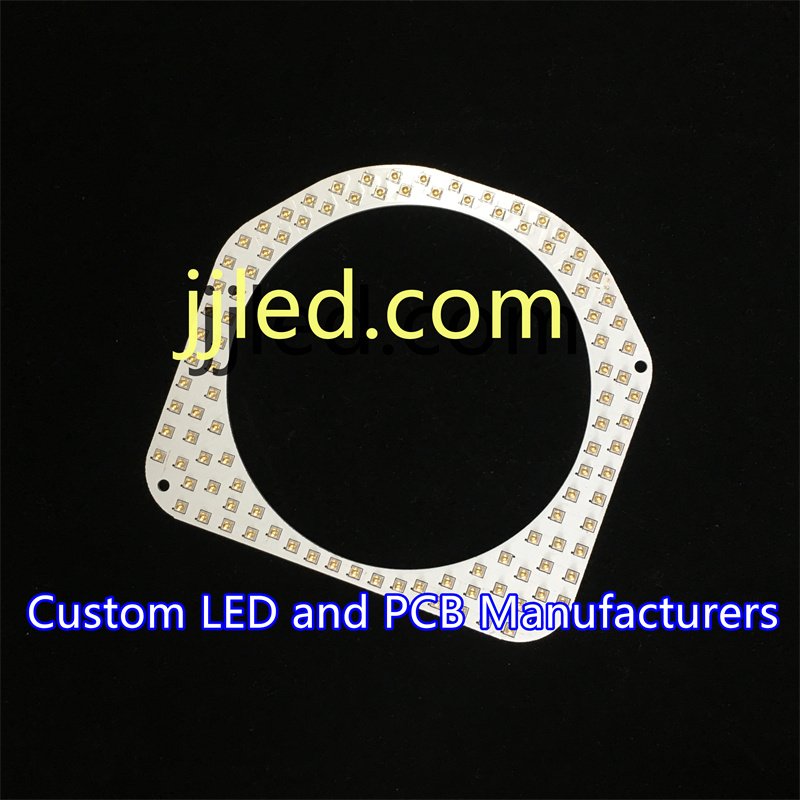
Custom Assembly Challenges for High-Precision Visual Light
When assembling LED visual light systems for industrial use, precision is everything. One major challenge is binning and matching—sorting LEDs by wavelength and brightness levels to ensure consistent visible spectrum illumination. Without careful binning, color temperature uniformity can suffer, leading to uneven lighting and unreliable machine vision results.
Placement accuracy on the PCB also matters a lot. High-precision Surface Mount Technology (SMT) must be employed to position LEDs exactly where they maximize luminous flux maintenance and avoid hotspots. This level of accuracy prevents issues with photometric consistency during inspections or automated optical inspection (AOI) processes.
Driver integration is another key factor. The drivers must support stable current supply to maintain LED junction temperature within safe limits, preventing color shift over time. Integrating drivers correctly within custom rigid or rigid-flex LED circuits ensures reliable operation and overall system durability.
For those needing specialized boards, we offer tailored assemblies such as our custom high CRI LED PCB boards, combining precise binning, excellent placement precision, and robust driver compatibility to meet demanding industrial quality assurance lighting requirements.
Manufacturing Standards for Optical Performance and Durability
Ensuring top-tier optical performance in LED visual light assemblies starts with strict manufacturing standards. Rigorous testing protocols like spectral power distribution analysis and photometric consistency checks are essential to guarantee that each LED system meets the required color temperature uniformity and luminous flux levels. These tests verify that the visible spectrum illumination stays stable across production batches, supporting high-precision applications such as machine vision lighting systems and industrial quality assurance lighting.
Durability is equally critical, especially for environments that involve extreme temperatures, moisture, or vibration. Quality assemblies use robust materials, including aluminum core PCB (MCPCB) substrates, which aid in effective thermal management solutions to maintain LED junction temperature within safe limits. Additionally, applying protective coatings and choosing the proper soldermask options helps resist corrosion and mechanical wear, ensuring reliable performance over time.
To meet these manufacturing standards and durability demands, it\’s important to collaborate with suppliers who understand the challenges of custom LED light PCB board assembly services. For those seeking specialized solutions, our expertise in producing high-quality LED PCB boards—including rigid-flex circuits—ensures your visual light systems maintain consistent output and longevity under harsh industrial conditions. For more details on our fabrication process, explore our LED PCB fabrication services.
By following these standards, manufacturers can deliver LED visual light products that not only fulfill photometric requirements but also withstand the rigors of demanding applications.
 English
  Spanish
  French
  Portuguese
  Italian