
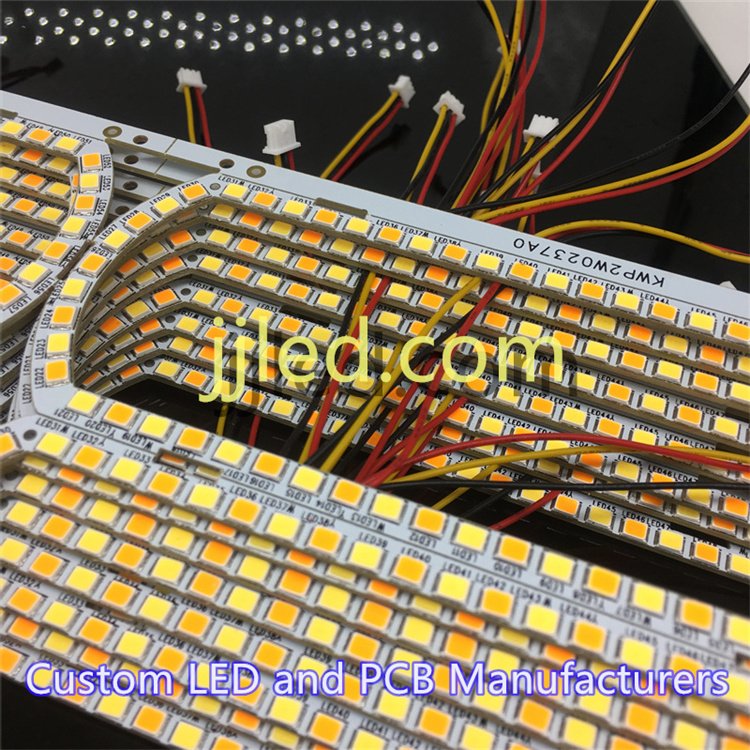
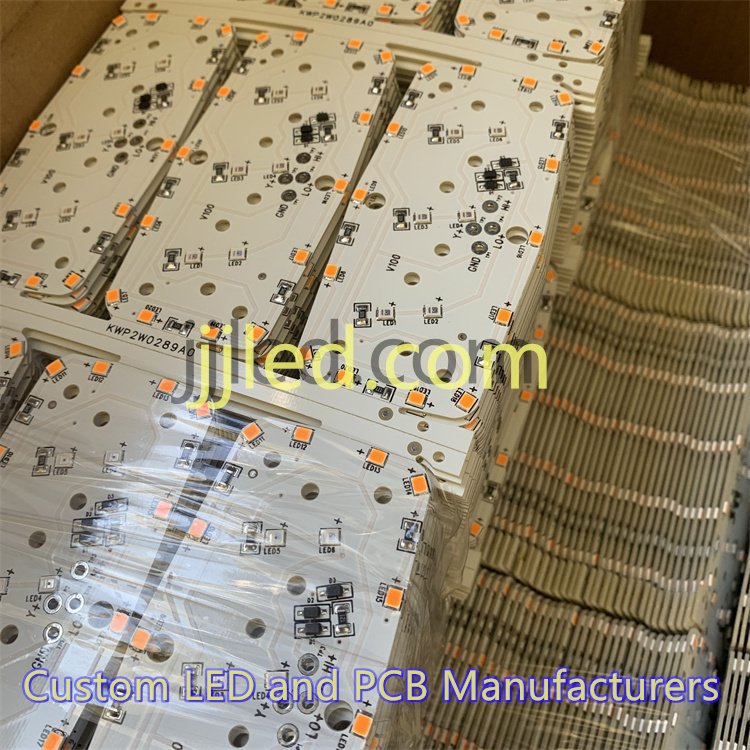
What Are Remote Controlled LED Lights?
Remote controlled LED lights are smart lighting solutions that allow you to adjust brightness, color, and modes from a distance without manual interaction. These lights use a remote control—wired or wireless—to manage LED fixtures easily and conveniently, making them popular for both residential and commercial uses.
Types of Remote Controlled LED Products
- LED light strips: Flexible strips embedded with LEDs, perfect for accent lighting.
- Remote controlled LED bulbs: Standard bulbs with built-in controllers compatible with remotes.
- LED panels: Flat, high-output LED surfaces used in offices or commercial spaces.
- LED fixtures: Larger installations like ceiling lights or decorative lamps featuring remote control capability.
Remote Control Technology Used
Remote controlled LED systems use various wireless technologies to communicate commands:
- Infrared (IR): Common for simple LED remote dimmer boards, requires line-of-sight.
- Radio Frequency (RF): Offers longer ranges and works through walls, ideal for RGB LED remote control.
- Bluetooth: Connects easily to smartphones, enabling LED light remote control apps.
- Wi-Fi: Provides smart LED remote control lights integrated with home automation and IoT systems.
Each technology suits different needs, from simple dimming to complex color-changing effects. As a leading manufacturer and supplier of LED PCB boards and LED controllers with remote control, we design products tailored to these versatile technologies, ensuring reliability and ease of use.
Key Features of Remote Controlled LED Systems
Remote controlled LED systems come packed with features that make lighting smarter and more versatile. Here’s what you can expect:
| Feature | Description |
|---|---|
| Remote Dimming & Brightness | Easily adjust light intensity to match any mood or setting using a wireless LED dimmer remote. |
| Color Changing (RGB/RGBW) | Switch between millions of colors or choose from white-enhanced RGBW LEDs for richer tones. |
| Pre-set Lighting Modes | Use built-in effects like fade, flash, and smooth transition modes for customized ambiance. |
| Customizability | Set your own colors and lighting sequences with programmable LED remote control options. |
| Control Range & Responsiveness | Reliable communication via infrared, RF, Bluetooth, or Wi-Fi with minimal delay. |
| Smart Home Integration | Connect with apps and smart devices for voice control, scheduling, and automation. |
These features make remote controlled LEDs ideal for flexible, energy-saving lighting solutions. Whether you want simple on/off control, dimming, or complex color changes, a quality LED controller with remote control lets you manage it all effortlessly.
For advanced brightness and dimming performance, explore our PWM LED dimmer controller switch for LED lights which offers smooth and precise control.
Incorporating smart LED remote control lights into your setup boosts convenience and customization without extra wiring or hassle.
Advantages of Using Remote Controlled LEDs
Remote controlled LEDs offer unmatched convenience and user-friendly control. With just a click on a wireless LED dimmer remote or a smartphone app, you can adjust brightness, change colors, or switch modes instantly—no need to get up or deal with complicated switches.
These systems are also highly energy efficient, helping you save on electricity bills. Using a remote controlled LED light strip or bulb allows precise dimming and scheduling, reducing power consumption without sacrificing lighting quality.
In terms of ambiance and versatility, remote controlled LEDs can easily transform any space. Their RGB or RGBW capabilities enable dynamic color changes, perfect for mood lighting or creative setups. Whether it\’s a cozy living room glow or a vibrant commercial display, these lights adapt to your style.
Durability is another strong point. Remote controlled LEDs typically feature long-lasting components and low maintenance, making them a reliable choice for both residential and commercial use.
Finally, customization possibilities through advanced PCB board design and controller options allow manufacturers to tailor remote controlled LED solutions specifically to client needs. This flexibility means better performance, smarter functions, and often, integration with smart home systems—all backed by quality custom LED PCB board manufacturing.
For more insight on designing efficient LED control systems, check out our detailed guide on design considerations for LED circuit boards.
How Remote Controlled LED PCB Boards Work
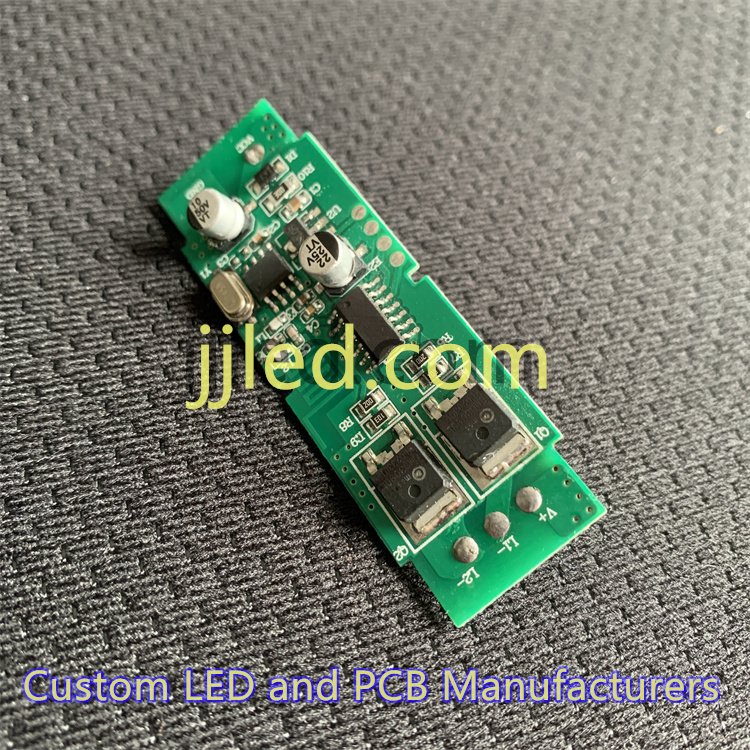
Remote controlled LED PCB boards are the brains behind smooth, wireless LED lighting control. These printed circuit boards (PCBs) manage the flow of electricity to LEDs and interpret signals from the remote to adjust lighting settings.
Key components you’ll find on these LED controller boards include:
- Microcontrollers: They act like tiny computers that process remote commands and control LED functions like brightness and color.
- Transceivers: These handle the wireless communication, whether it\’s infrared (IR), radio frequency (RF), Bluetooth, or Wi-Fi signals.
- Dimmer circuits: They regulate power to LEDs for smooth dimming without flicker.
When you press a button on a remote, it sends a wireless signal to the PCB board’s transceiver, which the microcontroller reads and acts on instantly. This interaction controls everything from turning lights on or off, changing colors, dimming, or switching preset modes.
Quality PCB boards are essential. A well-designed remote controlled LED PCB ensures reliable signal reception, consistent light output, and long-lasting performance. Poor-quality boards can cause delays, signal dropouts, or uneven lighting.
For reliable, customizable LED remote dimmer boards and controller solutions, exploring our range of LED PCB boards and custom options at custom LED board manufacturer can help you find the perfect fit for your remote controlled LED lighting projects.
Choosing the Right Remote Controlled LED Solution
Picking the right remote controlled LED system depends heavily on your specific needs. Start by considering the application and environment—whether it’s for indoor residential use, commercial spaces, or outdoor settings, since this affects durability and control range requirements. Next, think about how far you need the remote to work. For close-range setups, infrared (IR) remotes are common, but they require a clear line of sight. For longer distances or through walls, radio frequency (RF) or Bluetooth remotes offer better flexibility. Wi-Fi controlled LEDs bring advanced smart features and app integration for larger, connected environments.
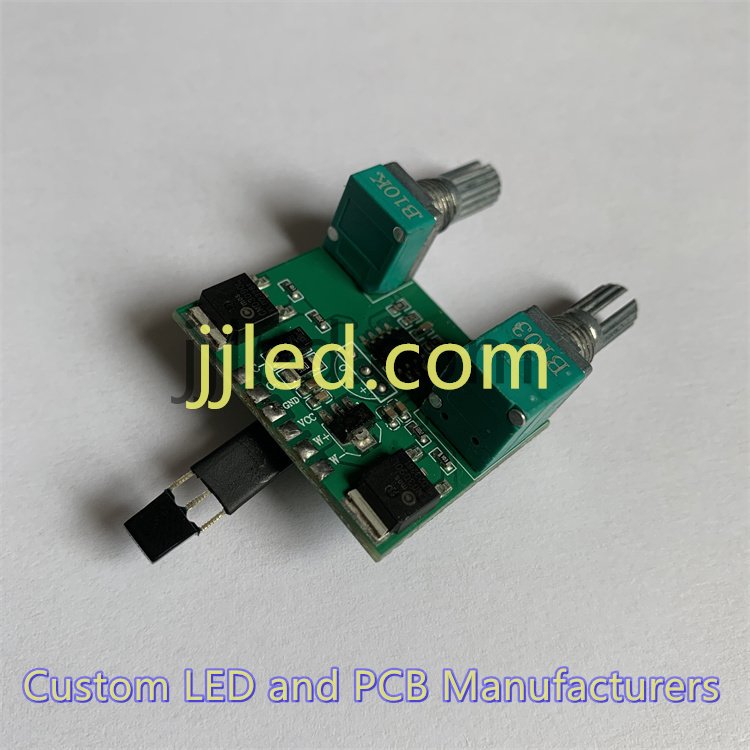
Power compatibility is another crucial factor—make sure your LED lights and remote dimmer boards match the voltage and current specs to avoid performance or safety issues. For example, choosing the correct LED remote dimmer board impacts how smoothly your lighting system responds.
If you have unique lighting needs, custom remote controlled LED PCB boards from OEM or ODM manufacturers can tailor functionalities, sizes, and remote options precisely to your project. This customization ensures your LED controller with remote control performs reliably and fits perfectly.
When deciding between IR vs RF vs Bluetooth vs Wi-Fi, remember:
- IR remotes: Budget-friendly, short-range, require direct sight.
- RF remotes: Longer range, no direct line of sight needed.
- Bluetooth: Mid-range, easy smartphone control.
- Wi-Fi: Best for smart homes, wide control range, app integration.
Understanding these options helps you find a wireless LED dimmer remote system that best fits your usage, saving hassles down the line.
For more on the latest LED lighting technology and products, check out the overview of the most popular new LED lighting products and their benefits.
Installation and Setup Tips for Remote Controlled LED Lights
Installing remote controlled LED lights is simple if you follow these key steps:
- Plan Your Layout: Decide where you want your LED strips, bulbs, or panels. Make sure the remote’s range will cover the entire area.
- Power Off: Always cut power before starting installation to avoid shocks or damage.
- Wiring Basics: Connect the LED PCB board properly to your power supply. Match positive and negative terminals carefully. Use quality connectors or solder joints for stability.
- Install the LED Components: Attach LED strips or fixtures to clean, dry surfaces. For LED panels, follow mounting instructions and ensure secure fittings.
- Connect the Remote Controller: Depending on your system (IR, RF, Bluetooth, or Wi-Fi), pair the remote with the LED controller board. Many come with a simple reset or pairing button.
- Testing: Power up the system and test basic functions—on/off, dimming, and color changes. Ensure responsiveness and check the remote’s effective range.
Troubleshooting Tips
- If the remote doesn’t work, check the batteries first.
- Confirm line of sight for infrared remotes or check for interference with RF or Bluetooth systems.
- Verify wiring connections and ensure the LED PCB board is receiving proper voltage.
- Reset the remote and controller system if commands aren’t recognized.
- For persistent issues, consulting with a professional or using a quality LED remote dimmer board from a trusted supplier can save time.
For detailed technical support and guidance on wiring and LED PCB design, our resources on advantages of aluminum LED PCBs offer useful insights to optimize your lighting setup.
Applications of Remote Controlled LED Lighting
Remote controlled LED lighting is incredibly versatile, fitting a wide range of uses across different environments.
Residential:
Homeowners love remote controlled LED lights for living rooms, kitchens, and outdoor patios. Whether it\’s adjusting brightness for movie nights or setting colorful moods for gatherings, LED remote control light strips and bulbs make it easy to customize your space without getting up.
Commercial:
Retail stores and offices use remote controlled LED panels and fixtures to highlight products or create a productive atmosphere. Hospitality spaces like hotels and restaurants depend on smart LED remote control lights to offer guests flexible and stylish illumination that can change with the time of day or event.
Entertainment:
Remote controlled LED lighting is key in theaters, stages, and accent lighting applications. RGB LED remote control systems enable dynamic color changes and preset modes that enhance performances and set the right tone instantly.
Industrial:
In warehouses and safety zones, RF remote LED lighting systems provide reliable control over brightness and color temperature without disturbing workflows. These energy-saving remote controlled LEDs improve visibility and ensure safety with minimal maintenance.
No matter the setting, remote controlled LED solutions deliver convenience, energy efficiency, and customizable lighting. For specialized applications, high-quality LED remote dimmer boards and customizable LED PCB board manufacturers can provide tailored systems to meet exact needs.
Check out our detailed guide on MOSFET selection for PWM LED dimmer to better understand the tech behind smooth dimming in LED systems.
Why Choose Us: Custom Remote Controlled LED Solutions
We specialize in manufacturing high-quality remote controlled LED PCB boards and advanced LED controller with remote control systems. Our extensive experience ensures reliable performance and durability tailored to your lighting needs.
Customization Capabilities
- Design LED control boards to fit exact client specs
- Support for various remote control technologies: IR, RF, Bluetooth, Wi-Fi
- Custom firmware and dimmer settings for unique lighting effects
- OEM/ODM services for specialized applications
Quality Assurance & Certifications
- Strict testing for PCB board durability and remote responsiveness
- Compliance with international safety and quality standards
- Use of premium components for long-lasting performance
| Feature | Benefit |
|---|---|
| Custom LED PCB design | Perfect fit for your product |
| Remote dimmer boards | Smooth brightness control |
| RGB LED remote control | Dynamic color options |
| Proven quality control | Reliable, hassle-free usage |
Customer Support & After-Sales Service
- Dedicated technical support for installation and troubleshooting
- Fast response to inquiries and replacement parts
- Guidance on optimizing energy-saving remote controlled LEDs
Choosing us means you get a tailored solution that combines cutting-edge technology with dependable service, making us your trusted partner for all your remote controlled LED needs.
For insight on our manufacturing standards, visit our detailed page on how LED PCBs are manufactured.
Future Trends in Remote Controlled LED Lighting
Remote controlled LED lighting is evolving fast, driven by advances in smart technology and energy-saving solutions. One major trend is the integration of smart LED remote control lights with IoT (Internet of Things) systems. This connectivity allows users to manage lighting remotely via apps, voice assistants, or automated schedules, making everyday control seamless and highly customizable.
Voice control and AI-enabled lighting automation are also reshaping how we interact with wireless LED dimmer remotes. These systems learn your preferences over time, adjusting brightness and color temperature to fit different moods or times of day without manual input.
Sustainability remains at the core of new developments. Innovations focus on better energy efficiency, longer-lasting LED chips, and smarter PCB board designs that reduce power consumption without sacrificing performance. These energy-saving remote controlled LEDs not only cut costs but also support global efforts to lower environmental impact.
As a trusted custom LED PCB board manufacturer, we stay ahead by incorporating these trends into our products, ensuring clients get future-ready LED solutions that blend smart control, convenience, and eco-friendliness.
 English
  Spanish
  French
  Portuguese
  Italian