

Understanding UVB Needs in Reptile Care
Proper UVB lighting is essential for reptile health. UVB rays enable reptiles to produce vitamin D3, a vital nutrient that helps them absorb calcium effectively. Without enough UVB, reptiles can develop metabolic bone disease, a serious condition that weakens their bones and overall wellbeing.
Besides UVB, UVA also plays a critical role. It influences reptile behavior, stimulates appetite, and supports natural activity patterns, all of which contribute to their overall wellness.
Different species have varying UVB needs based on their natural habitat, categorized into Ferguson Zones. Desert reptiles require stronger UVB exposure due to intense sunlight, while rainforest or tropical species need lower UVB levels, reflecting shaded environments.
Common problems in reptile terrarium lighting include insufficient UVB output, improper placement, and outdated bulbs, often leading to poor health and behavioral issues. Understanding these specific UVB requirements ensures optimal care for your reptile pet.
Traditional UVB Lighting vs. Modern UV LED Solutions
For years, reptile keepers relied on traditional UVB lighting like fluorescent tubes (T5/T8), compact bulbs, and mercury vapor lamps. These have been effective in providing the essential UVB reptiles need for vitamin D3 synthesis and calcium absorption. However, each has its drawbacks. Fluorescent tubes and compact bulbs tend to have limited lifespans and can lose UV output relatively quickly. Mercury vapor bulbs produce more heat than necessary, which can be risky if not properly managed.
The rise of UV LED technology has changed the landscape for reptile UVB lighting PCB options. UV LEDs are far more energy-efficient and last much longer than traditional bulbs, cutting down replacement costs. Because they emit less heat, they reduce the risk of overheating the enclosure, making it safer for sensitive species.
Key advantages of LED-based systems include precise control over wavelength output, allowing for better customization of UVB levels according to species-specific Ferguson Zones. Modern LEDs also support integration with full-spectrum visible lighting to better simulate natural daylight cycles.
Some concerns remain about spectral accuracy and safety, but high-quality reptile UVB LED PCBs now address these by using specialized UVB diodes (peak wavelengths between 290-320 nm) designed for optimal reptile health without the risk of overexposure. For a deeper dive into how UVA and UVB LED sources compare, check out this detailed discussion on comparing UVA and UVB light sources, which highlights the improvements in LED technology for reptile care.
The Role of PCBs in UV LED Reptile Lighting
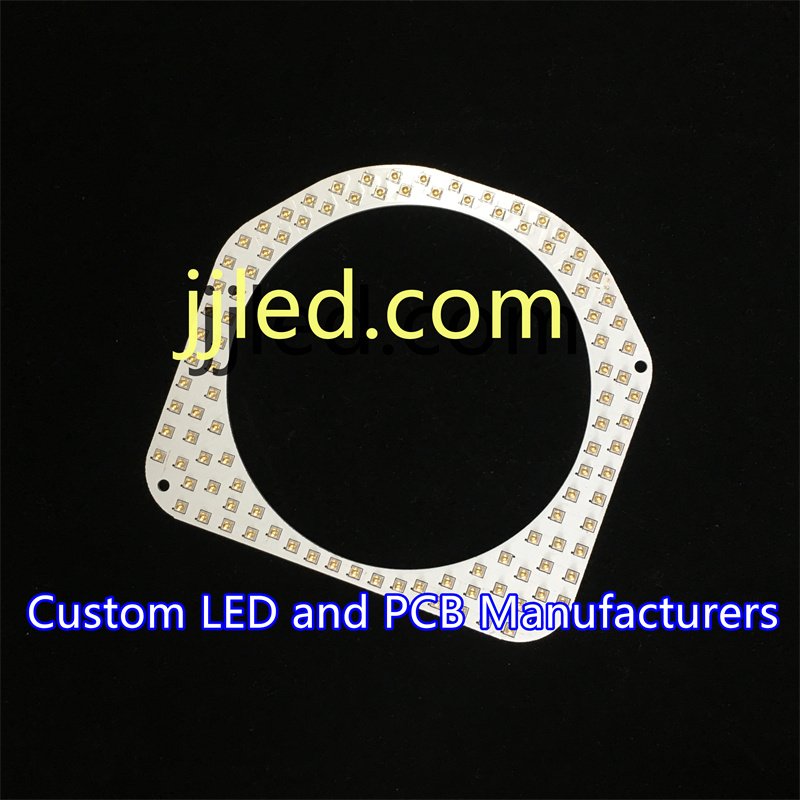
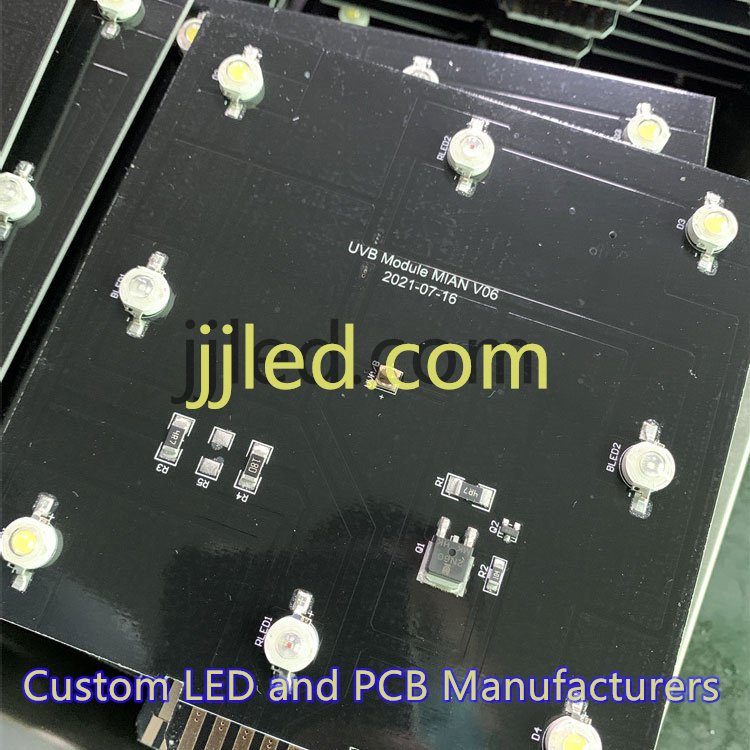
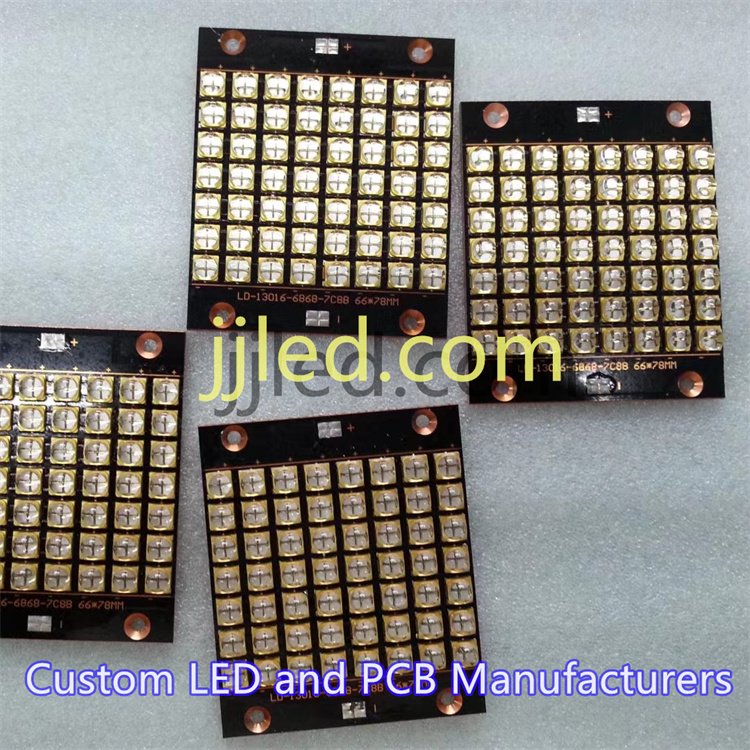
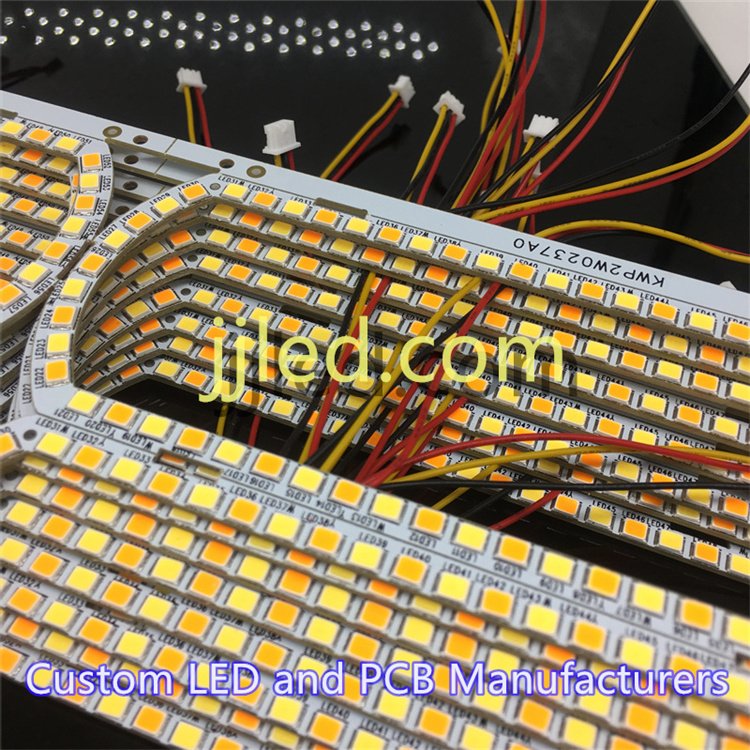
A UV LED PCB (printed circuit board) is the backbone of any quality reptile pet UV LED light system. It holds and connects the essential components that produce the UVB light vital for your reptile’s health. These boards are specially designed to support high-quality UVB diodes that emit light within the crucial 290-320 nm range—exactly where vitamin D3 synthesis happens in reptiles.
Key components on a UV LED PCB include:
- High-quality UVB diodes: These provide the specific UVB wavelengths reptiles need.
- LED drivers: They regulate power, ensuring stable and consistent light output.
- Heat sinks: Vital for dissipating heat efficiently to extend the lifespan of the LEDs and maintain safety.
Custom UV LED boards often offer flexible options such as size variations, different wattages, and wavelength blends to match the specific requirements of different reptile species or Ferguson Zones (e.g., desert vs. rainforest UVB needs). Many also include dimming capabilities, allowing you to simulate natural sunlight cycles and control UVB intensity.
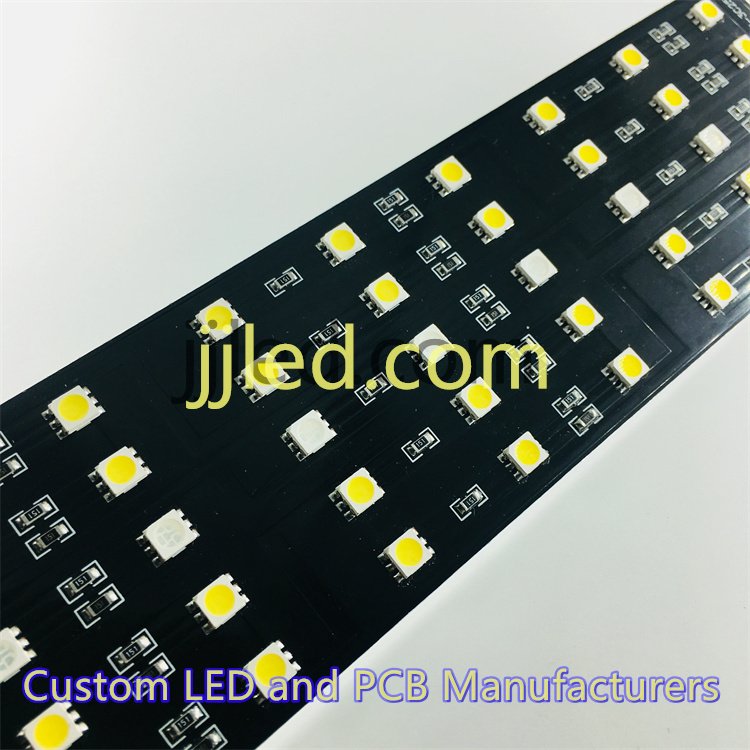
Another important feature is the integration of full-spectrum visible LEDs alongside UVB diodes. This creates a more natural daylight simulation in your reptile terrarium lighting, promoting better behavior and wellbeing.
Designing or choosing the right reptile UVB lighting PCB means balancing technical factors like spectral output and heat management. For those interested in how these PCBs are made and designed, understanding the LED light circuit board design process can be very insightful.
Assessing Efficacy and Safety of UV LED PCBs
When evaluating a reptile pet UV LED PCB, measuring the output correctly is key. The most reliable indicators are:
- UVI (Ultraviolet Index): Shows UVB strength relevant to vitamin D3 synthesis.
- Irradiance (µW/cm²): Measures UVB energy hitting the reptile’s skin.
- Recommended distances: Proper mounting ensures reptiles receive enough UVB without risk.
| Measure | Purpose | Recommended Range |
|---|---|---|
| UVI | Vitamin D3 production efficiency | 0.3 to 1.0 for rainforest species, 1.0+ for desert species |
| Irradiance | Skin exposure intensity | 50-200 µW/cm² depending on species and enclosure |
| Distance | Safety and effectiveness | 20-40 cm typically; varies by LED strength |
Health Benefits Backed by Research
Proper use of UV LED PCBs promotes:
- Healthy vitamin D3 synthesis.
- Strong calcium absorption to prevent metabolic bone disease.
- Better activity, appetite, and natural behaviors.
Many reptile owners report noticeable improvements in overall health and vitality using custom LED lighting setups tailored to Ferguson Zone needs.
Managing Risks with Quality Design
Overexposure to UVB can harm reptiles, but high-quality UV LED PCBs help avoid this through:
- Balanced spectral output (UVB/UVA ratio).
- Controlled wattage and dimming for precise intensity.
- Reliable heat sinks to prevent overheating.
These features reduce the chance of eye damage or skin burns, common worries with lower-quality lighting.
Comparing to Commercial Solutions
Custom UV LED PCBs stand well against popular products like Zoo Med ReptiSun UVB/LED and Arcadia systems:
| Feature | Custom UV LED PCB | Zoo Med ReptiSun UVB/LED | Arcadia Systems |
|---|---|---|---|
| Spectral accuracy | Precise tuning (290-320 nm) | Moderate, fixed output | Good spectrum control |
| Energy efficiency | High (less heat, longer life) | Moderate energy use | Efficient but can be bulky |
| Customization | Full wavelength, power, and size options | Limited to product models | Some options available |
| Safety features | Built-in drivers & heat sinks | Basic design | Advanced heat management |
By choosing a custom UV LED board, reptile keepers get optimized UV output tailored to their specific needs, along with better energy savings and longer product life.
For more about LED circuit design suited to reptile lighting needs, explore our detailed design considerations for LED circuit boards.
Choosing the Right Custom Reptile Pet UV LED PCB
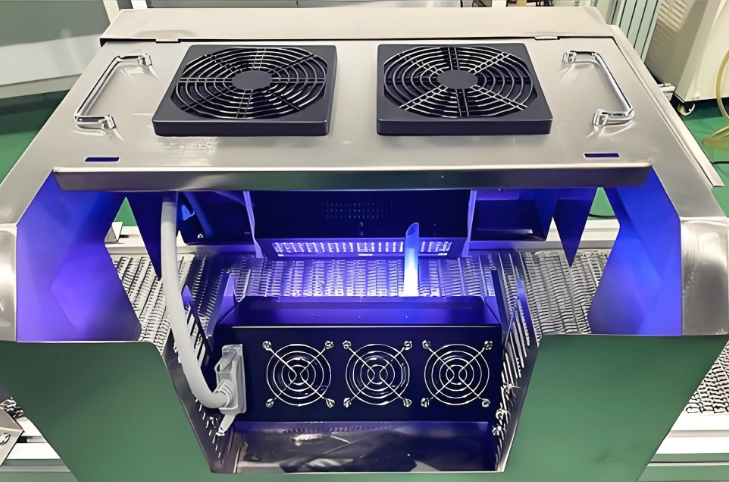
Picking the right custom reptile pet UV LED PCB depends on a few key factors to keep your reptile healthy and happy.
- Enclosure size: Larger terrariums need higher wattage or multiple UVB LED boards to ensure full coverage. Smaller setups can work well with compact custom UV LED boards.
- Species Ferguson Zone: Know your reptile’s natural habitat. Desert species require stronger UVB (higher UVI) compared to rainforest or tropical reptiles that need lower intensities. Custom boards can be tailored to fit these specific UVB requirements.
- Mounting style: Decide if you want overhead, side-mounted, or recessed lighting. Many custom LED PCBs allow flexible mounting options to fit your enclosure design.
Desert vs. Rainforest Setups
- Desert reptiles (like bearded dragons, uromastyx) thrive with UVB outputs mimicking Ferguson Zone 5 or 6—these are higher UVB intensities.
- Rainforest reptiles (such as chameleons, anoles) need lower UVB levels consistent with Zone 1 or 2, avoiding overexposure.
Recommended Setup Tips
- Pair UV LED PCBs with basking heat sources: UVB alone doesn’t provide heat, so combine LEDs with ceramic heaters or halogen basking bulbs.
- Use timers: Set consistent photoperiods (10-12 hours of light) to simulate natural daylight cycles for better vitamin D3 synthesis and behavior.
- Positioning: Place UVB LEDs at recommended distances (usually 20-30 cm) for optimal irradiance without harming your pet.
Monitoring UVB Output
- Invest in a handheld UV Index (UVI) meter or a specialized UVB meter to check light intensity regularly.
- Track changes over time because UVB output can decrease without visible dimming—replace your custom LED PCB as needed.
For personalized solutions and detailed customizations, working with a reliable LED PCB manufacturer for reptiles ensures you get the right wavelengths, wattage, and form factors tailored for your species and enclosure.
Installation and Maintenance Guide for Reptile Pet UV LED PCB
Installing your reptile pet UV LED PCB properly is key to providing effective UVB lighting and keeping your reptile healthy. Here’s a simple step-by-step guide for terrarium setup:
Step-by-Step Installation
- Choose the right spot: Mount the UV LED PCB above the basking area where your reptile spends most time. Avoid placing it too far or behind décor to ensure optimal UVB exposure.
- Secure mounting: Use brackets or clips designed for LED PCBs to hold the board firmly. Ensure the PCB is stable and won’t shift.
- Check wiring carefully: Connect to a suitable power supply and driver according to manufacturer specs, avoiding loose or exposed wiring.
- Use reflectors: Adding reflectors around the LED PCB helps focus and maximize UVB output inside the enclosure.
- Mesh tops: Use a fine mesh screen cover on the terrarium lid to protect LEDs from damage and allow proper UVB penetration while preventing reptile escape.
Best Practices for Positioning and Use
- Keep UV LED PCBs at the recommended height specific to your reptile’s Ferguson Zone (higher UVB for desert species, moderate for tropical).
- Avoid placing LEDs too close to prevent overheating or potential UV overexposure.
- Combine UVB with appropriate basking heat sources for best results.
- Use timers to mimic natural daylight cycles and prevent constant exposure.
Lifespan Expectations and Replacement
- Quality UV LED PCBs typically last 10,000 to 25,000 hours, much longer than traditional bulbs.
- Monitor UVB output regularly using a UV meter, as intensity decreases over time even before visible light dims.
- Replace the LED PCB or diode modules when UVB falls below recommended levels for your species, typically every 1–2 years depending on usage.
Troubleshooting Common Issues
- Low UV output: Check for dust buildup on LEDs or reflectors and clean gently. Verify power supply and driver function.
- Overheating: Ensure adequate ventilation and heat sinks are in place; avoid enclosing LEDs in small, unventilated spaces.
- Uneven UV distribution: Adjust positioning or add reflectors to spread light evenly across the enclosure.
- Flickering or no light: Inspect wiring connections and drivers for faults.
For tailored products and more technical support on custom UV LED boards for reptiles, you can explore our full range of reptile UVB lighting PCBs designed for safety and efficacy.
Proper installation and maintenance ensure your reptile benefits fully from UVB exposure, supporting vital vitamin D3 synthesis and overall wellbeing.
Case Studies and User Experiences
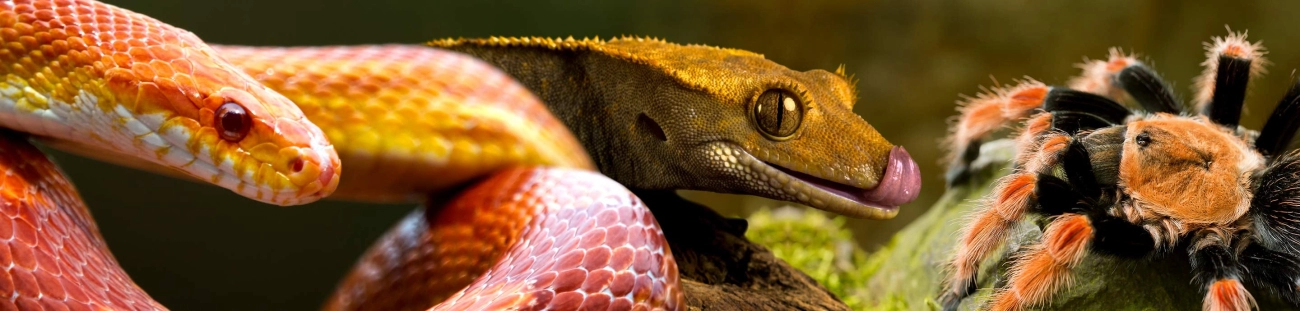
Many reptile owners have seen noticeable improvements after switching to custom reptile pet UV LED PCB lighting. Here’s a quick look at real-world results with popular reptiles:
| Species | Benefits Observed | Notes |
|---|---|---|
| Bearded Dragons | Increased activity, vibrant colors, stronger bones | Desert reptile UVB settings with higher UVI |
| Geckos | Better appetite, more natural behavior | Rainforest reptile lighting with lower UVB intensity |
| Tortoises | Improved shell growth, healthier calcium metabolism | Full spectrum reptile LED combined with basking heat |
| Chameleons | Enhanced skin coloration and stress reduction | UVA UVB LED strip promotes natural behaviors |
Users report fewer cases of metabolic bone disease prevention due to consistent, proper UVB exposure. The precise UVB diode wavelengths in custom boards ensure optimal vitamin D3 synthesis, helping reptiles absorb calcium effectively.
These outcomes reflect energy-efficient reptile UVB solutions that offer both health benefits and improved wellbeing compared to traditional lighting.
For more on efficient LED options suitable for reptiles, check out our reliable SMD 2835 LED products, supporting natural daylight simulation and targeted UVB output.
Why Choose Custom Reptile Pet UV LED PCB as Your Supplier

Choosing the right supplier for your custom reptile pet UV LED PCB is crucial to ensure your reptiles get the best UVB lighting for their health and wellbeing. Here’s why we stand out:
| Why Choose Us? | Details |
|---|---|
| Dedicated Manufacturer | We specialize solely in reptile UV LED lighting PCBs, ensuring expert design and production. |
| High-Quality Materials | We use premium UVB diodes (290-320 nm range) with reliable drivers and heat sinks for safety and durability. |
| Precise Wavelength Control | Our PCBs are engineered for exact UVB and UVA output, matching Ferguson Zone needs for desert and rainforest reptiles. |
| Full Customization Options | Size, wattage, wavelength blends, dimming features, and more available to tailor your reptile enclosure perfectly. |
| Commitment to Safety | Balanced spectra prevent overexposure while encouraging vitamin D3 synthesis and metabolic bone disease prevention. |
| Flexible Orders & Support | From single prototypes to bulk orders, we provide professional support to meet your project\’s scope. |
With the global market\’s increasing demand for energy-efficient reptile UVB LED solutions, our customized PCBs help deliver the right light spectrum safely and effectively. For technical specs and custom PCB options, explore our detailed LED PCB product range.
Trust us to supply high-quality, tailored reptile UVB lighting PCBs that support your reptiles’ health and thrive in any enclosure size or Ferguson Zone need.
FAQs: Common Questions on Reptile Pet UV LED PCB
How much UVB output do reptiles need?
UVB levels vary by species and their Ferguson Zone. Desert reptiles need stronger UVB (higher UVI), while rainforest species require lower levels. Our custom reptile UV LED PCBs can be tailored to deliver precise UVB output, ensuring your pet gets just the right amount.
Are UV LED PCBs safe for my reptile?
Yes, high-quality UV LED boards designed specifically for reptile terrarium lighting feature carefully controlled wavelengths (290-320 nm) to safely promote vitamin D3 synthesis without harmful overexposure. Proper heat sinks and drivers ensure stable operation and safety.
Can UV LED lighting replace traditional fluorescent bulbs?
Modern UVB LED lighting offers many advantages over fluorescent tubes like T5/T8, including energy efficiency, longer lifespan, and less heat. However, spectral accuracy matters – our UV LED PCB designs focus on matching natural sunlight peaks to maintain reptile health.
Will my enclosure size affect the LED PCB choice?
Definitely. The size of your reptile enclosure and species requirements dictate the wattage, size, and placement of UVB LED boards. Custom PCBs allow for flexible mounting and dimming options to fit various terrariums.
How do I monitor UVB levels with LED lights?
Use a reliable UVI meter to check irradiance at typical basking spots. Maintain recommended distances and adjust your custom UV LED PCB setup accordingly to ensure effective vitamin D3 synthesis and prevent metabolic bone disease.
Are there compatibility concerns with existing lighting?
Our UVB LED PCBs can be integrated with full-spectrum visible LEDs to simulate natural daylight, complementing your reptile’s existing basking and heat lamps without interference.
For tailored solutions and expert advice on reptile UVB lighting PCBs, visit our detailed product pages on custom UV LED boards and see how our manufacturing expertise meets your pet’s needs.
 English
  Spanish
  French
  Portuguese
  Italian