
What Is a UVA LED Flashlight?
A UVA LED flashlight is a handheld device that emits ultraviolet light specifically in the UVA spectrum (315-400nm). Unlike traditional UV flashlights that use mercury vapor or incandescent bulbs, UVA LED flashlights rely on light-emitting diodes (LEDs) as their core light source. These LEDs produce a focused beam of UVA light that is energy-efficient and highly durable.
Basics of UVA LEDs and Their Components
UVA LEDs are small semiconductor chips made from materials like gallium nitride, designed to emit light at specific UVA wavelengths, commonly around 365nm or 395nm. Key components of a UVA LED flashlight include:
- UVA LED chip: The heart of the flashlight, determining the wavelength and intensity.
- Optical lens: Focuses the UVA light into a tight, usable beam.
- Power source: Rechargeable or disposable batteries—often lithium-ion for longer life.
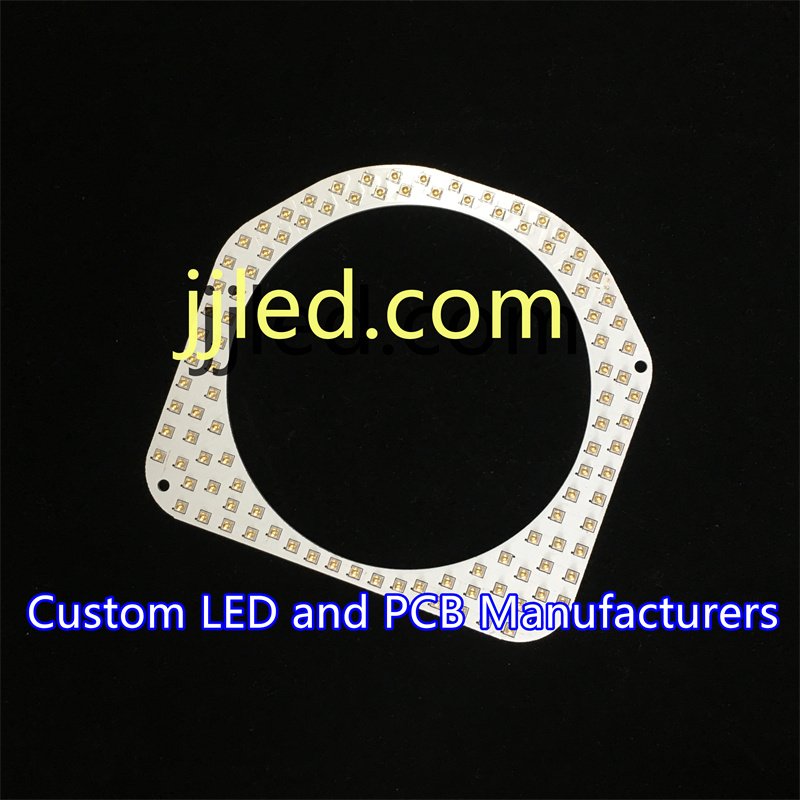
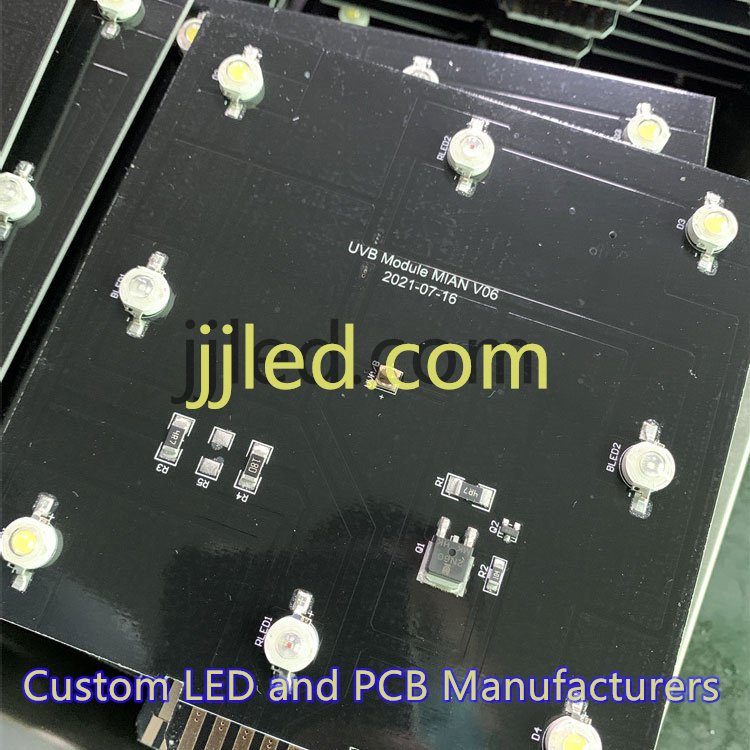
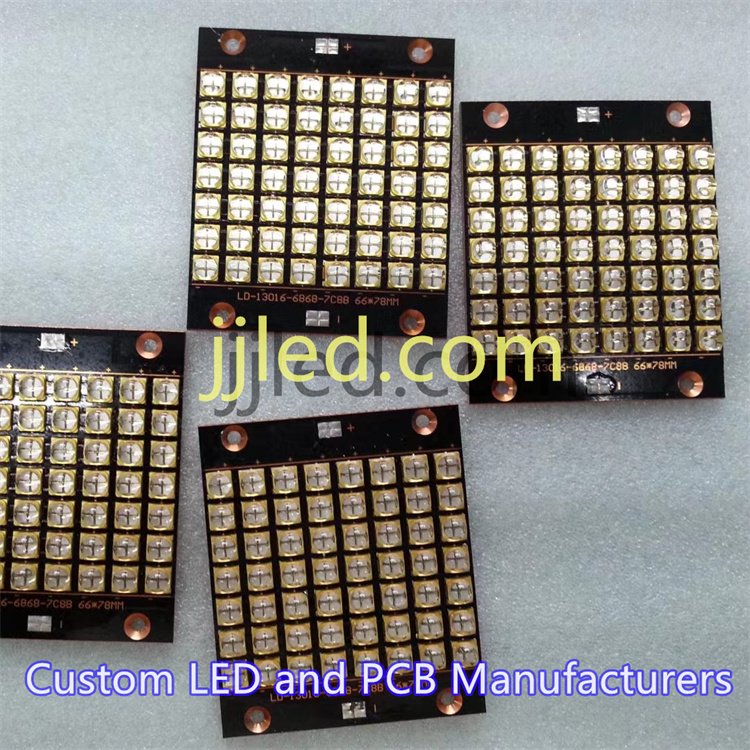
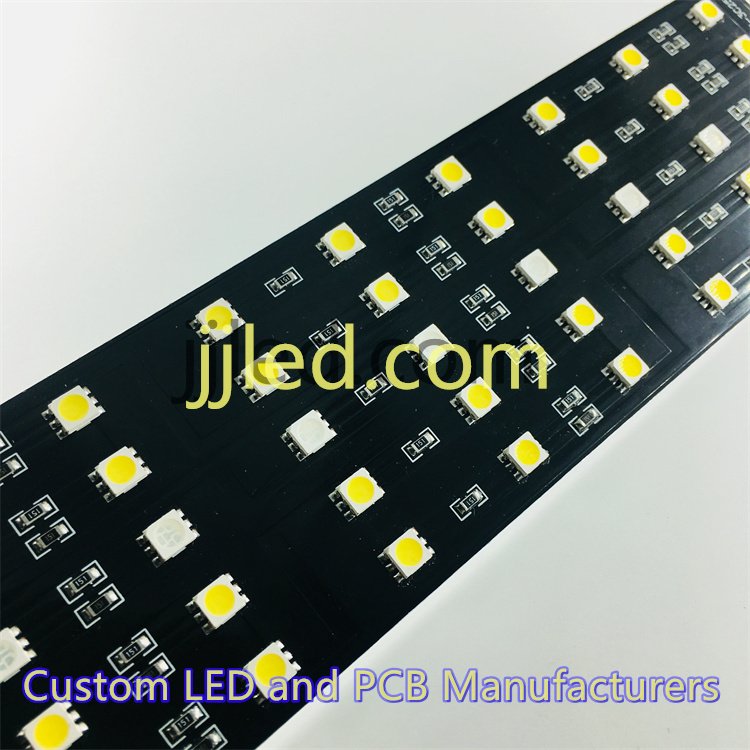
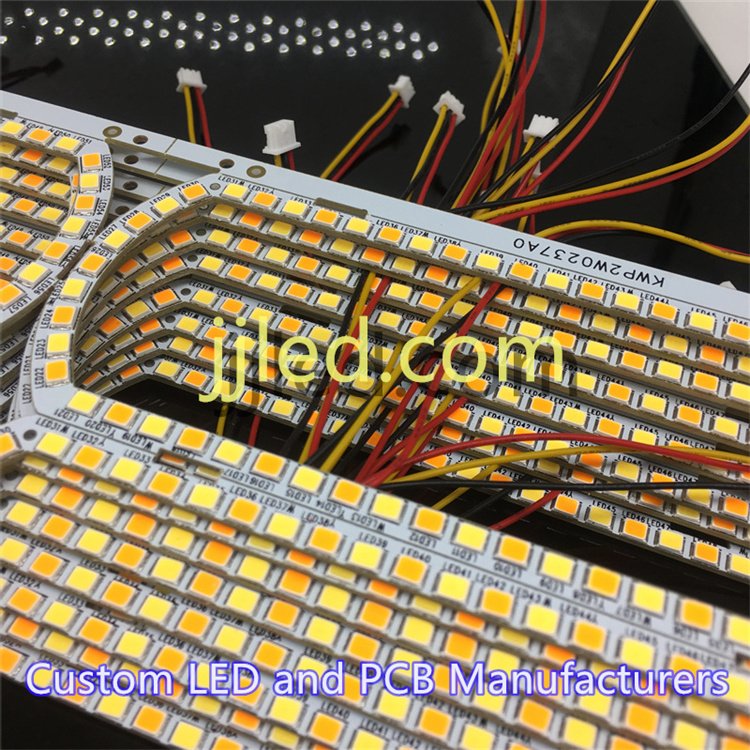
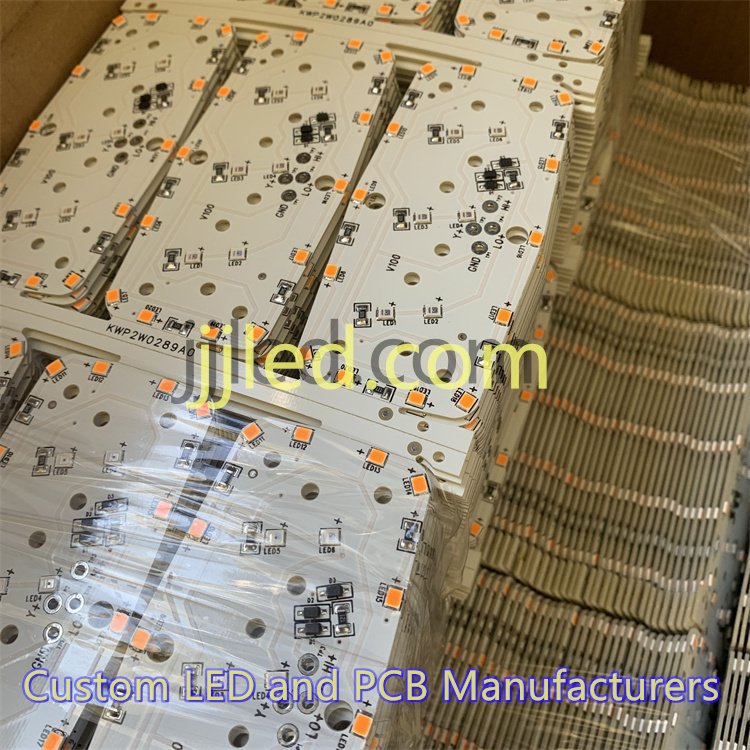
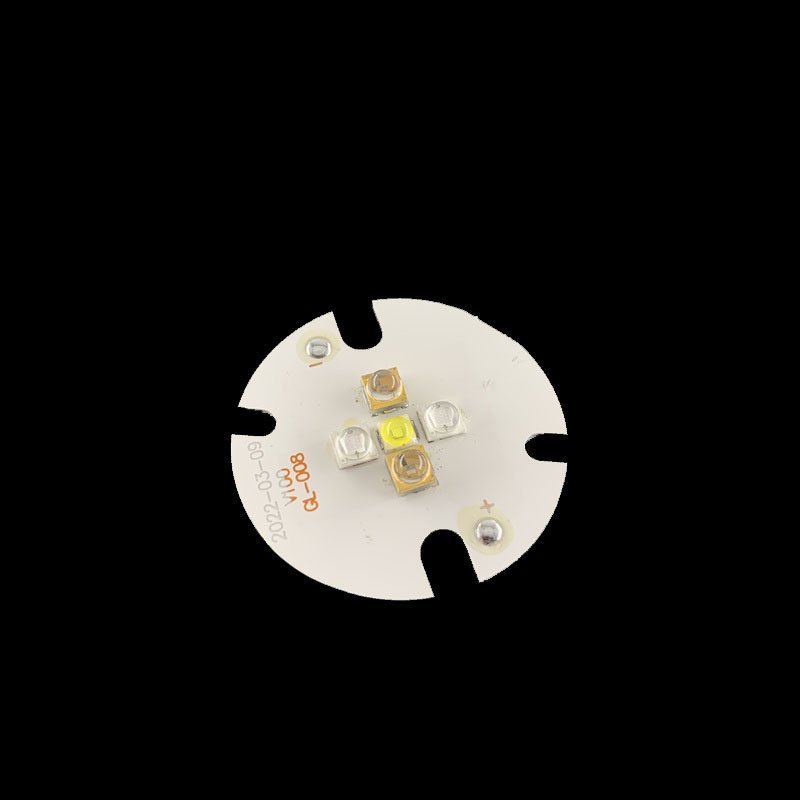
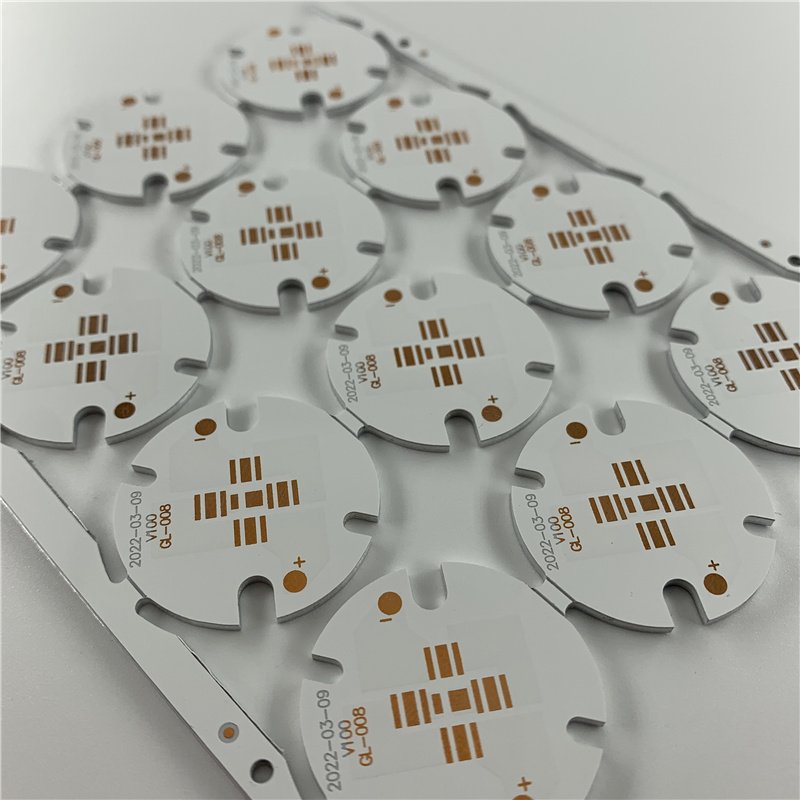
- PCB board: Custom UVA LED PCB boards manage power distribution and heat dissipation.
- Housing: Durable casing, frequently waterproof and shock-resistant.
Why LED Technology Outperforms Traditional UV Bulbs
LED technology surpasses traditional UV bulbs in several ways:
- Energy Efficiency: UVA LEDs consume less power, extending battery life.
- Longevity: LEDs can last tens of thousands of hours versus a few hundred for conventional bulbs.
- Compact and Lightweight: Smaller size allows for portable, easy-to-handle flashlights.
- Instant On/Off: No warm-up time, providing immediate UVA light.
- Safer Operation: No hazardous mercury inside, and less heat generated.
- Consistent Output: LEDs emit a stable wavelength, essential for professional and hobby uses.
As a UVA LED flashlight PCB board manufacturer and supplier, we emphasize these advantages while offering tailored solutions that enhance UVA LED performance and reliability. Whether for everyday use or specialized applications, LED technology delivers superior UVA lighting like never before.
UVA Wavelength Range and Key Characteristics
UVA LED flashlights emit light in the 315-400nm wavelength range, which sits just below visible violet light. This specific UVA spectrum is ideal for making certain materials fluoresce—meaning they absorb the UVA light and then emit visible light in response. This fluorescent reaction helps reveal stains, minerals, or other hidden details not seen under normal light.
The intensity of UVA light varies depending on the LED quality and design, but modern UVA LED flashlights often provide strong, focused beams with minimal heat output. Compared to older UV bulbs, UVA LEDs offer safer operation because they produce less harmful UVB or UVC radiation, reducing risks associated with prolonged exposure.
Safety features are key—filtered UVA blacklights are designed to block out unwanted shorter wavelengths that can damage skin or eyes. Choosing a flashlight with true UVA filtering ensures effective fluorescence detection while keeping users protected.
For a deeper dive into how UVA and UVB light sources differ in wavelength and applications, check out this detailed comparison on UVA vs UVB light sources.
UVA vs UVB LED Flashlights: Key Differences
UVA and UVB LED flashlights both use ultraviolet light but differ in wavelength and uses. UVA flashlights generally emit light in the 315-400nm range, with common options like 365nm and 395nm LEDs. UVB flashlights work in the 280-315nm range, which is mostly used for specialized applications.
| Feature | UVA LED Flashlight (365nm/395nm) | UVB LED Flashlight (280-315nm) |
|---|---|---|
| Wavelength Range | 315-400nm (commonly 365nm, 395nm) | 280-315nm |
| Common Uses | Pet urine detection, scorpion hunting, mineral inspection, resin curing | Medical therapy, sterilization, specialized lab use |
| Light Appearance | Closer to violet/near-UV | More energetic, often invisible to eyes |
| Safety Considerations | Safer for general use; wear UV glasses recommended | More hazardous; protective gear essential |
| Best Use Cases | Everyday detection, outdoor and forensic use | Medical, dermatology, niche industrial use |
365nm vs 395nm Wavelength
- 365nm: Deeper UV, better at causing fluorescence in organic and mineral materials. Ideal for pet urine detection, counterfeit detection, and professional uses like forensics.
- 395nm: Near visible UV, less intense fluorescence but brighter visible light. Good for casual use, glow parties, and basic resin curing.
Both UVA and UVB LEDs require proper filtering and protective designs often integrated into the PCB and flashlight construction to ensure user safety. For detailed design tips on LED circuit boards supporting optimal UV output and safety features, check out our guide on design considerations for LED circuit boards.
Choosing the right UV wavelength depends on your specific needs, balancing effectiveness with safety. UVA flashlights (especially filtered UVA blacklight models) are most popular for general and hobby applications due to their safer profile and broad usability.
Common Uses for UVA LED Flashlights
UVA LED flashlights are incredibly versatile and popular for many different applications thanks to their unique ability to reveal things invisible to the naked eye. Here are some of the top uses people rely on:
Home Detection
- Pet Urine and Stains: UVA flashlights are great for spotting pet urine stains or other hidden marks around carpets and upholstery. A filtered UVA blacklight helps you identify these spots quickly for thorough cleaning.
- Mold and Mildew: Mold often fluoresces under UVA light, making it easier to locate in dark or damp areas before it becomes a bigger problem.
Outdoor Detection
- Scorpion Hunting: Many use high power 365nm LEDs to spot scorpions at night since these critters glow brightly under UVA light. A scorpion hunting UV light is a must-have for outdoor enthusiasts in endemic regions.
- Mineral and Rock Hunting: Geologists and hobbyists use specialized blacklights for minerals as many rocks fluoresce under the 315-400nm range, revealing hidden qualities not visible in daylight.
- Leak Detection: UVA flashlights can detect leaks in plumbing and HVAC systems when used with special UV-reactive dyes, making them essential for professionals.
Professional Uses
- Forensics: Crime scene investigators use UVA LED flashlights to find bodily fluids, fibers, or trace evidence that fluoresce under UVA wavelengths, aiding crucial investigations.
- HVAC Leak Detection: Technicians apply UV dye to refrigerants and then use filtered UVA flashlights to pinpoint leaks in air conditioning systems quickly.
Fun and Hobby Applications
- Resin Curing: Resin crafters often use a resin curing UV torch to speed up the hardening process using specific UVA wavelengths.
- Glow Parties & Events: These flashlights also create cool effects for glow parties, letting fluorescent paints and materials shine bright in the dark.
Whether for practical detection or just pure fun, UVA LED flashlights bring powerful capabilities across home, professional, and recreational uses. For anyone interested in the specifics of LED design behind these applications, our LED light circuit PCB boards ensure reliable performance and true UVA output.
How to Choose the Best UVA LED Flashlight
Choosing the right UVA LED flashlight can make a huge difference whether you\’re using it for home, professional, or hobby needs. Here’s a quick buyer’s guide to help you pick the perfect model.
Key Factors to Consider
| Factor | What to Look For |
|---|---|
| Battery Type | Rechargeable preferred for convenience and cost-efficiency. Look for long runtime and USB charging options. |
| Beam Quality | Consistent, focused UVA output with adjustable beam width helps in different tasks. |
| Waterproofing | IPX6 or higher rating ensures use outdoors or in damp environments safely. |
| True UVA Output | Confirm wavelength is within 315-400nm, ideally focused on 365nm or 395nm, depending on your application. |
| Filtering | Good UVA flashlights come with filters (like ZWB2) to block harmful UVB/UVC and visible blue light. |
| Durability | Solid build with heat dissipation features, often linked to quality PCB design, ensures longer lifespan. |
Checklist Before Buying a UVA Flashlight
- Does it specify the exact UVA wavelength (365nm vs 395nm)?
- Is the UVA output filtered properly to protect eyes and skin?
- Does it have a sturdy, ergonomic design suitable for your use case?
- Does it have extra accessories (filters, UV glasses) included or available?
- Is it backed by a warranty or support from a trusted supplier?
Recommendations and Custom Options
If you need a high-performance device, opt for models with premium LED chips and custom UVA LED PCB boards, which enable better heat management and optimal light output. Customization services like those found in professional custom LED board manufacturing can tailor flashlights to meet your exact wavelength and power needs.
Picking the right UVA flashlight isn’t just about brightness; it’s about the quality of UV output and safety features. Keep these points in mind for a reliable and effective tool.
The Technology Behind High-Performance UVA LED Flashlights
High-performance UVA LED flashlights rely heavily on premium LED chips from trusted brands like Nichia, LG, and Seoul. These top-tier LEDs deliver consistent wavelength output and high intensity, essential for effective UVA light applications. Using quality chips ensures your flashlight stays bright and reliable over time.
Another key factor is the custom UVA LED PCB board. Unlike generic boards, custom PCBs are designed for optimal heat dissipation and efficient power management. This reduces the risk of overheating and extends the lifespan of both the LEDs and the flashlight itself. Proper thermal management also keeps the light stable, maintaining strong UVA output.
Professional PCB assembly further boosts performance and longevity. Expertly assembled boards ensure every connection is secure and every component works perfectly. This reduces failures and helps the flashlight maintain peak UVA intensity in demanding conditions.
For those interested, exploring our specialized 365nm LED PCB boards can provide insights into how tailored PCB solutions enhance UVA LED flashlight capabilities, offering superior heat control and power efficiency compared to off-the-shelf options.
In short, combining premium LED chips with custom PCB design and professional assembly is the foundation of high-quality UVA LED flashlights that outperform standard models.
Custom UVA LED Flashlight PCB Boards and PCBA Services
Off-the-shelf PCBs often fall short in delivering the best performance for high-end UVA LED flashlights. Generic boards may not optimize heat dissipation, power efficiency, or precise wavelength matching, which are crucial for true UVA output and long device lifespan.
Specialized manufacturing of custom UVA LED PCB boards allows us to tailor the layout for optimal heat sinks and circuit design, ensuring stable operation at high power levels. This leads to better brightness, improved reliability, and consistent wavelength output—especially important around the 365nm to 395nm UVA range used in professional-grade flashlights.
We offer prototyping and full production services for custom PCBA (Printed Circuit Board Assembly), helping clients bring their unique flashlight designs to life with premium LEDs like Nichia or Seoul Semiconductor. Our approach focuses on matching the LED chips perfectly to the PCB for enhanced light intensity and reduced power loss.
Case studies from our manufacturing line show how custom UVA LED flashlight PCB boards have improved brightness by up to 30%, reduced overheating issues, and extended product longevity compared to standard PCBs. This customized approach is essential if you want a reliable, high-performance UVA flashlight.
Explore more about our advanced LED components and custom PCB solutions in our selection of 2835 SMD LED chips and LED products to understand the tech behind top-tier UVA flashlights.
Maintenance, Safety Tips, and Accessories for UVA Flashlights
Keeping your UVA LED flashlight in top shape is key for lasting performance and safety. Here’s how to care for it:
Proper Battery Care and Cleaning
- Use the recommended rechargeable batteries to avoid damage and ensure steady output.
- Remove batteries when storing your flashlight long-term to prevent leaks.
- Clean the battery contacts regularly with a dry cloth to maintain a strong connection.
Usage and Storage Tips to Maintain Brightness
- Avoid dropping or exposing your flashlight to extreme temperatures.
- Store it in a cool, dry place away from direct sunlight.
- Turn off the light when not in use to extend LED life.
Essential Accessories for UVA Flashlights
- UV glasses: Protect your eyes from prolonged UVA exposure during use.
- Filtered lenses like the ZWB2 filter flashlight improve UVA purity and reduce harmful wavelengths.
- Carry a protective case to avoid scratches on the lens and damage to the PCB board inside.
FAQs on Safety and Performance
- Is UVA light harmful? UVA is generally safer than UVB or UVC, but avoid direct eye exposure.
- How to check if your flashlight is true UVA output? Look for LED specs like 365nm or 395nm output and quality filtering.
- Can I use my UVA flashlight on sensitive materials? Yes, but avoid intense exposure time to prevent damage.
For more on the technology and parts behind high-quality UVA LED flashlights, check out our detailed guides on custom UV PCB assembly and premium UVA LED PCB boards. These insights help you choose and maintain the best flashlight for your needs.
 English
  Spanish
  French
  Portuguese
  Italian