
The Shift from Component to Complete Unit
In today’s fast-paced electronics market, delivering just a custom PCB is no longer enough. We see a clear shift from supplying individual circuit boards to providing fully integrated units ready for deployment. This reflects the reality of modern manufacturing, where innovators expect turnkey electronic manufacturing services (EMS) that handle everything from PCB fabrication to final assembly.
The Reality of Modern Manufacturing
Product developers face increasing pressure to reduce time-to-market while maintaining high quality. Managing separate suppliers for PCB assembly, component sourcing, and plastic enclosures adds complexity and risk. Fragmented workflows lead to delays, cost overruns, and integration failures.
The Integration Challenge
Integrating custom PCBs with their enclosures and ensuring smooth box build assembly demands tight coordination. Without early collaboration, issues like misaligned mounting, thermal mismanagement, or suboptimal soldering can compromise product performance. The challenge lies in seamlessly blending rigid-flex circuit fabrication, surface mount technology (SMT) placement, and enclosure design into a single, hassle-free process.
The Solution
We partner with you to deliver complete solutions—custom PCB with cases assembly service manufacturing tailored to your project goals. Our expertise spans from BOM sourcing and Gerber file engineering review to precision LED board layouts, plastic injection molding for electronics, and final fitment testing. This approach minimizes rework, accelerates prototyping, and ensures a consistent, scalable assembly line for mass production.
Together, we transform your concept from isolated components into a reliable, fully functional unit optimized for the marketplace.
The Foundation: Precision in Custom LED PCB Fabrication
When it comes to custom PCB production, especially for LED applications, precision starts with choosing the right materials. Material selection matters big time because it directly affects performance, durability, and thermal management.
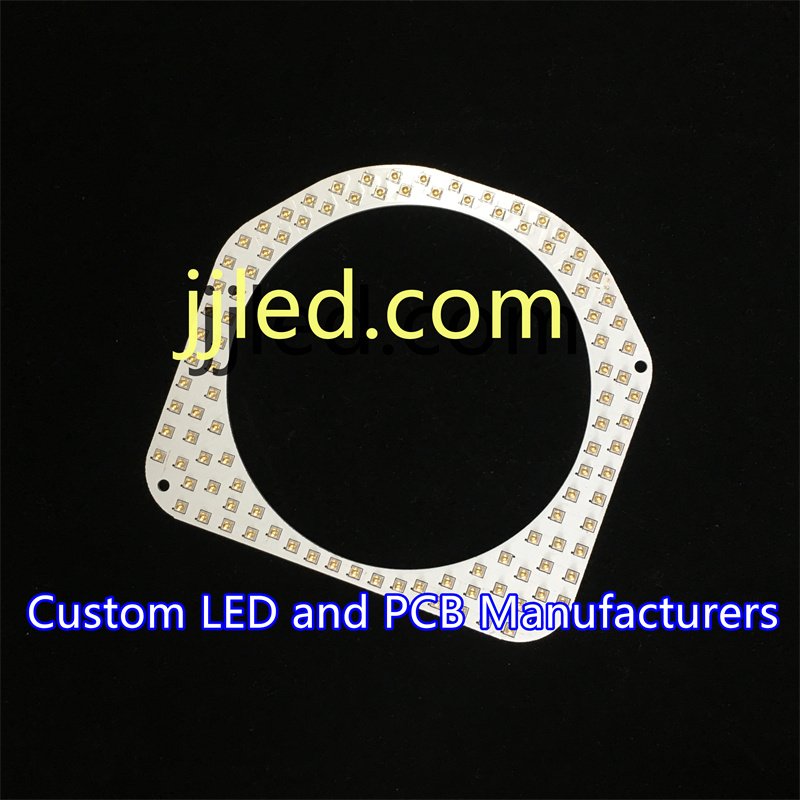
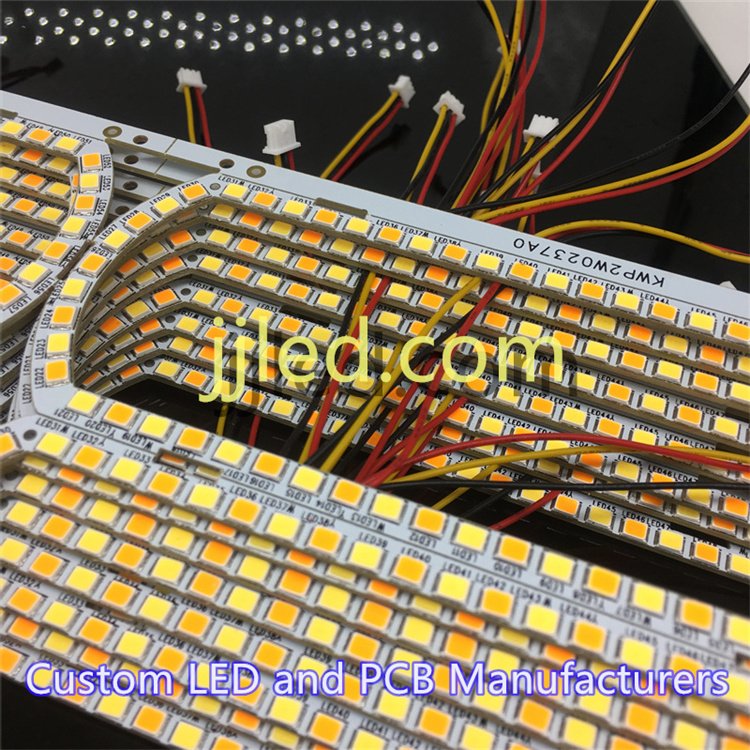
Most standard PCBs use FR4, a glass-reinforced epoxy laminate that\’s cost-effective and versatile for general electronics. But for LED boards, especially high-power or high-density setups, Metal Core PCBs (MCPCBs) are often the better choice. MCPCBs use an aluminum substrate that helps dissipate heat far better, keeping LEDs cooler and extending their lifespan. This makes them ideal for custom LED PCB fabrication projects where thermal management is critical. You can explore more about these benefits in our detailed custom aluminum PCB LED lighting board resource.
For designs involving high-frequency signals, specialized materials like Rogers or other high-frequency laminates must be considered. These materials minimize signal loss and interference, which is crucial when your custom PCB integrates RF components or IoT communications.
Before mass production, a thorough Design for Manufacturing (DFM) review is essential. DFM helps catch potential manufacturing issues early—like component placement challenges or thermal vias optimization—ensuring your custom LED PCB is ready for smooth assembly and reliable operation.
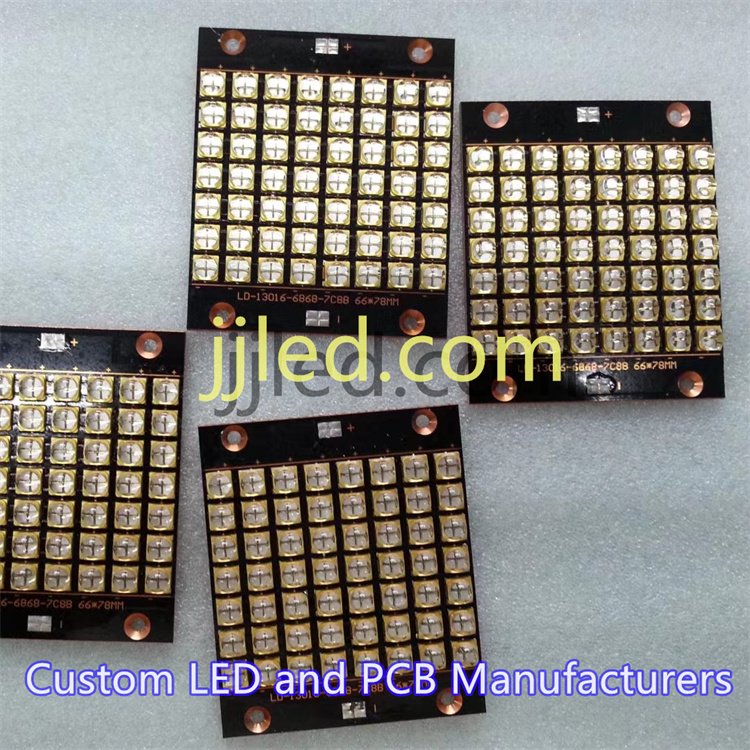
By starting with precise materials and a solid DFM process, manufacturers can create custom LEDs and PCB boards that meet both performance needs and long-term reliability expectations. For a deeper dive into high-power LED PCB options, check out our custom high power aluminum LED PCB.
This foundation sets the stage for building custom PCBs that perform well and scale easily for your projects.
Component Sourcing and Assembly (PCBA) Protocols
Sourcing components strategically is crucial for reliable custom PCB manufacturing. We focus on selecting quality parts that fit the project’s Bill of Materials (BOM) precisely, ensuring availability and cost-efficiency. This approach reduces delays and prevents last-minute substitutions that can affect performance.
In the assembly phase, both Surface Mount Technology (SMT) and Through-Hole Technology (THT) are applied based on design requirements. SMT placement handles dense, fine-pitch components rapidly and accurately, while THT is reserved for parts needing extra mechanical strength. This balanced assembly method supports complex, multilayer PCBs and rigid-flex circuit fabrication.
Soldering standards are strictly maintained to guarantee strong electrical connections and long-term durability. Controlled reflow profiles and quality inspection checkpoints reduce soldering defects such as cold joints or bridging. By following these PCBA protocols, we ensure your custom PCB delivers consistent functionality, especially for critical applications like IoT hardware prototyping.
For a deeper look at professional assembly services and SMT process details, check out our reliable SMT placement and PCB assembly expertise.
The Critical Link: Custom Plastic Enclosures and \”Box Build\”

In custom PCB manufacturing, the enclosure isn’t just a shell—it’s an essential part of the whole electronic system. The right custom plastic enclosure plays a key role in protecting the circuitry from dust, moisture, and physical impact while also ensuring proper thermal management and electromagnetic interference (EMI) shielding. When we talk about \”box build\” assembly, this means integrating the assembled PCB within its custom case along with other mechanical parts, connectors, and accessories to form a complete product ready for deployment.
Coordinating plastic injection molding with PCB assembly is critical to achieve a perfect fit and maintain product reliability. Injection molding for electronics requires close communication between the enclosure design team and the PCB fabricators to align mounting points, ventilation slots, and cable routes. A well-designed enclosure can improve heat dissipation, which is especially important when working with high-power or custom LED PCBs featuring aluminum substrates or metal core PCBs.
By managing the box build process from start to finish—including the plastic enclosure design and the PCB assembly—we help streamline production and minimize surprises during final testing. If you’re working on complex IoT hardware prototyping or need tailored box build assembly solutions, integrating your custom PCB with the right plastic enclosure right from the start saves time and hassle later.
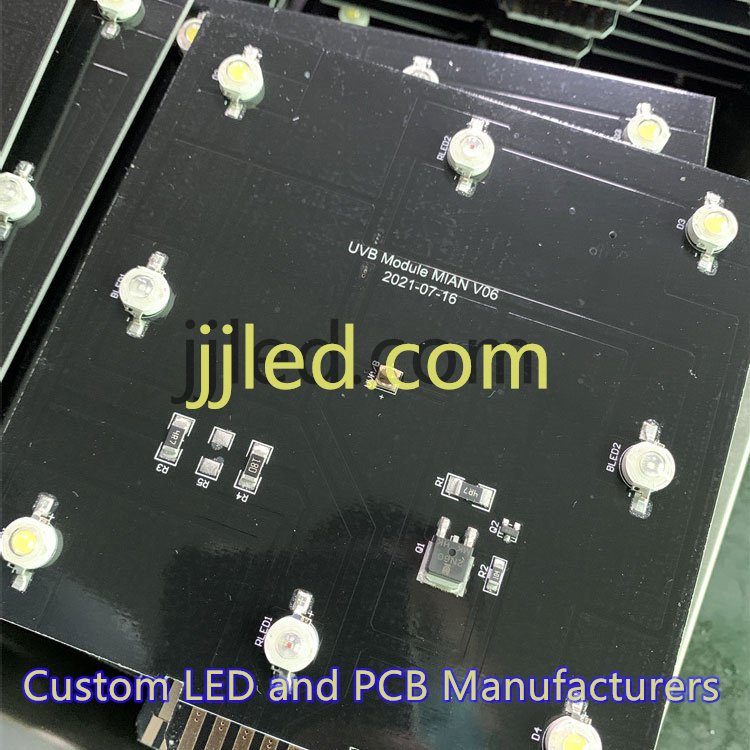
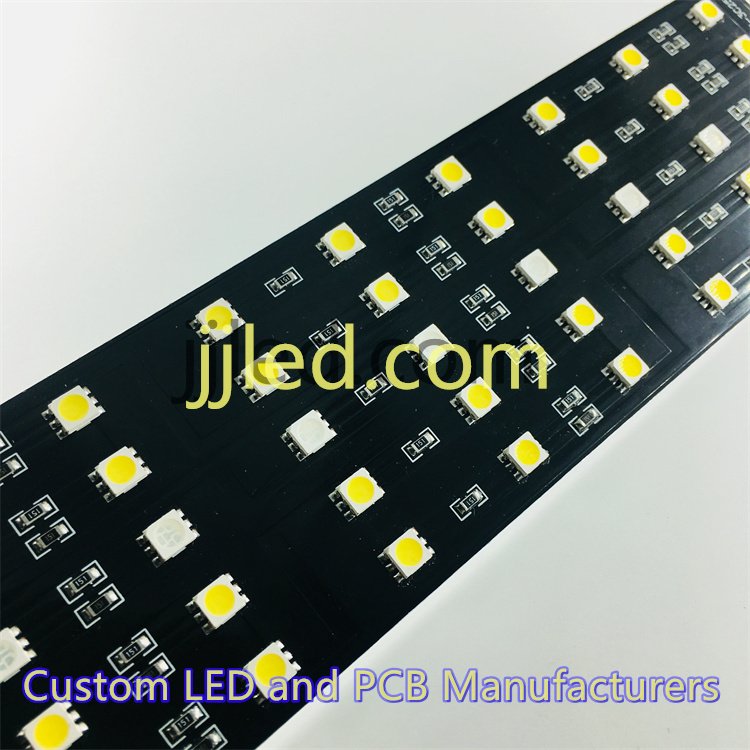
For more details on custom LED PCB layout and enclosure fitment, you can check resources on custom LED board designs and custom LED PCB assembly services.
Quality Assurance: Functional Testing of the Assembled Unit
Quality assurance goes far beyond basic electrical checks like flying probe tests. In custom PCB assembly, especially for LED and IoT devices, thorough functional circuit testing (FCT) is critical to ensure every unit operates perfectly under real-world conditions. This means simulating actual use cases and verifying all electronic functions, not just connectivity.
Fitment testing is another key step. Custom PCBs need to match precisely with their plastic enclosures and mechanical parts. Even slight misalignments can cause assembly headaches or product failures down the line. Ensuring proper enclosure design and fitment helps avoid costly redesigns and keeps manufacturing smooth.
For LED-based products, burn-in testing is essential. This process involves running the LEDs continuously at elevated temperatures to weed out early failures and verify thermal management performance—especially important for aluminum substrate PCBs used in LED lighting, which need reliable heat dissipation. This step guarantees the longevity and reliability customers expect from premium custom LED PCB boards.
Together, these quality assurance steps make sure each assembled unit functions as designed and fits perfectly in its case, ready for mass production.
For more details on custom LED PCB solutions and assembly standards, check out our custom LED board layout and insights on applications for high CRI white LEDs.
Case Study: Optimizing an IoT Device for Mass Production
When moving an IoT device from prototype to large-scale manufacturing, the key is streamlining every step—from custom PCB design to final assembly. We worked with a client developing a smart home sensor that demanded a reliable custom PCB combined with durable plastic enclosures and tight thermal management.
Challenges Encountered:
- The initial prototype used basic FR4 boards which struggled with heat dissipation under continuous operation.
- Delays in component sourcing for key IoT modules slowed the process.
- The enclosure design didn’t fully accommodate connectors and buttons, causing assembly headaches.
- Manual assembly methods limited production speed and increased costs.
Solutions Implemented:
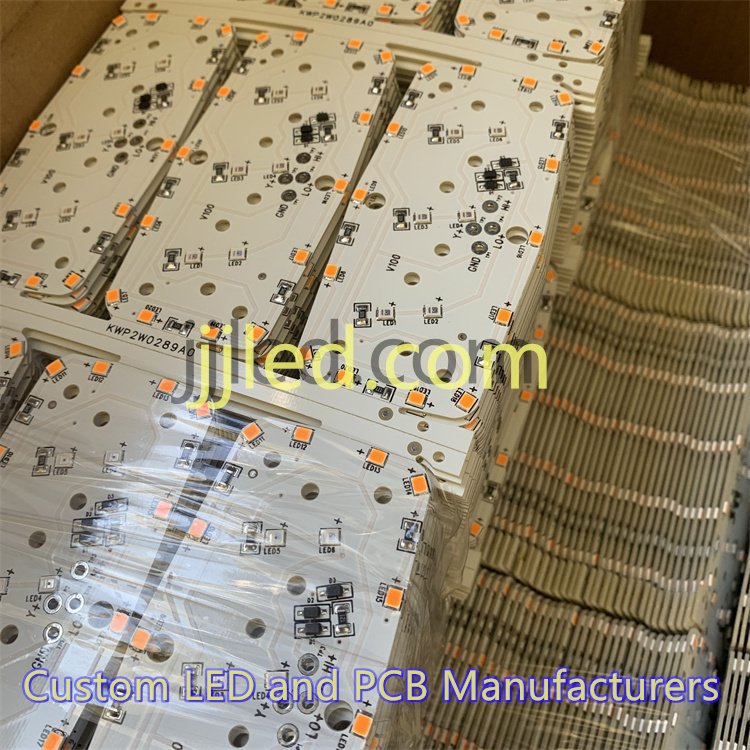
- We upgraded to a metal core LED PCB substrate for the sensor’s light indicators, ensuring proper heat spread. Using precise custom LED board layout techniques improved signal integrity and extended component life.
- A strategic BOM sourcing plan cut lead times significantly by aligning suppliers with volume needs.
- Injection molding was coordinated to finalize the plastic casing dimensions, enhancing fitment and protection.
- Using automated SMT and THT assembly lines, combined with box build assembly solutions, accelerated throughput while maintaining quality.
Results:
- Production capacity increased threefold with reduced failure rates.
- Functional circuit testing (FCT) protocols identified assembly defects early, ensuring only fully functional units shipped.
- The final IoT device met strict US market reliability standards, ready for smart home integration.
This case highlights how integrating custom PCB fabrication, BOM sourcing, enclosure design, and testing into a turnkey electronic manufacturing service (EMS) is essential for mass producing reliable IoT hardware. For projects requiring effective thermal management and precise LED light driver PCB configurations, reviewing detailed examples like the LED light driver PCB boards can also provide valuable insights.
Optimizing custom PCB development with holistic assembly and enclosure coordination is the key to smooth scaling and successful product launches in today’s competitive IoT ecosystem.
 English
  Spanish
  French
  Portuguese
  Italian