
Understanding LED PCBs for Photography Lighting
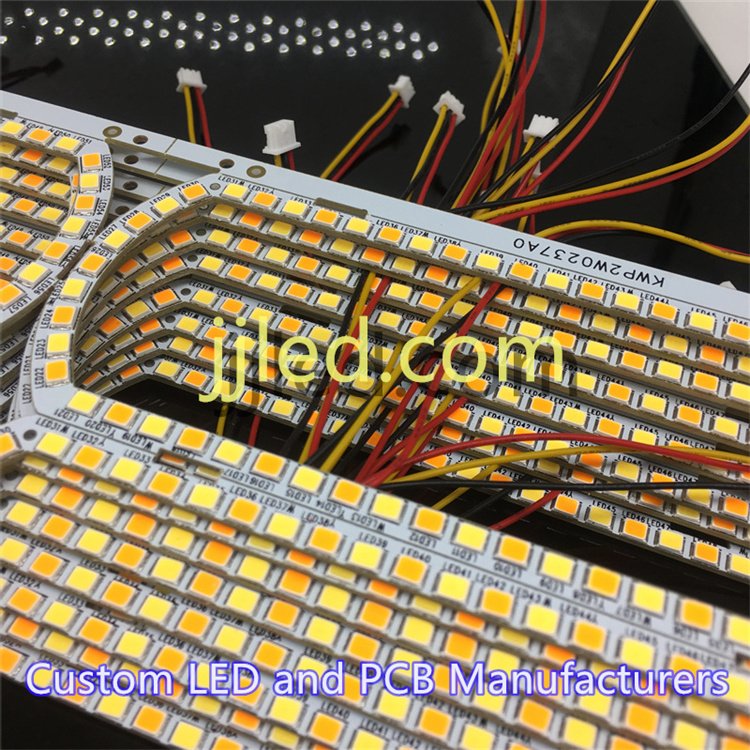
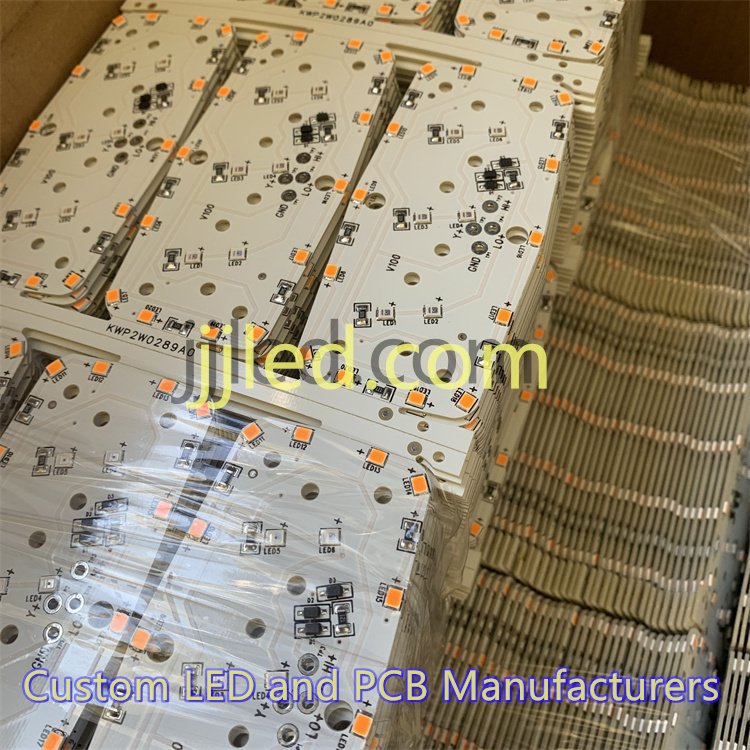
An LED PCB (Printed Circuit Board) is the foundation for mounting and powering LEDs in lighting devices. Unlike standard PCBs used in everyday electronics, LED PCBs for photography lighting are specially designed to handle high power, manage heat efficiently, and provide stable electrical performance. This is crucial because LEDs generate heat that, if not properly managed, can reduce light quality and lifespan.
Photography lighting demands more than just any LED PCB. It requires boards that deliver flicker-free and uniform light output, ensuring colors are accurate and shadows are minimal. This means LED PCBs used in professional photography lighting often include advanced thermal management features and optimized electrical circuits to maintain consistent brightness and color accuracy during long shoots. The result is lighting that truly enhances image quality with reliable, high CRI performance and no annoying flicker that can ruin photos or videos.
Essential Features for Photography LED PCBs
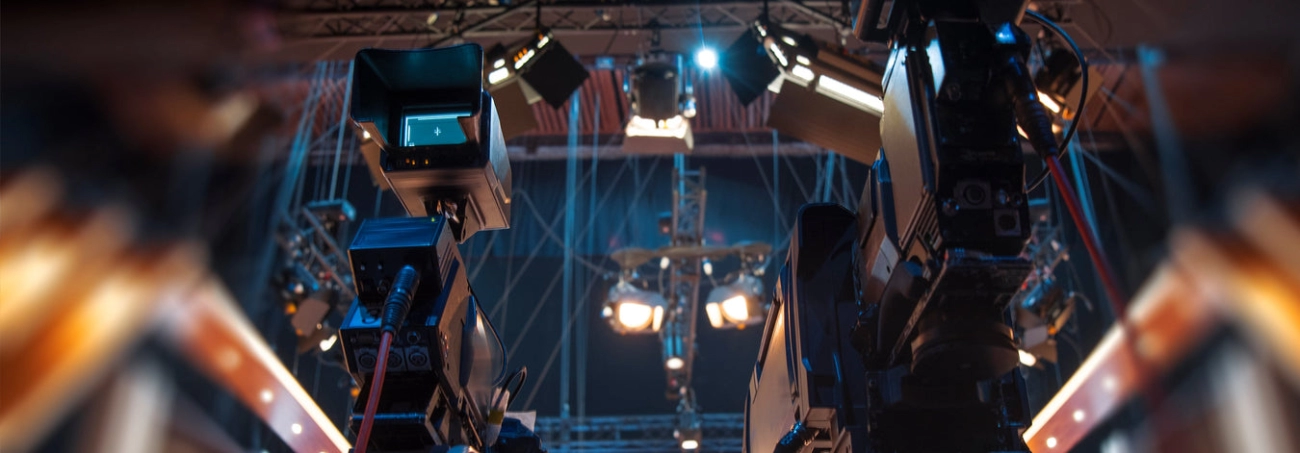
When it comes to photography lighting PCB boards, certain features are non-negotiable to achieve professional results. Here’s what you should look out for:
- High CRI (95-97+): Accurate color reproduction is critical for photography. A high CRI LED PCB ensures colors appear natural and vibrant, helping photographers capture true-to-life images. For high-quality white LEDs with excellent color fidelity, check out our detailed guide on high CRI white LEDs.
- Adjustable Color Temperature: Flexibility in lighting temperature—from warm 2700K to daylight 6500K—allows creatives to match the lighting to different scenes. Advanced RGBW or RGBWW LED PCBs offer multiple color options and enable fine-tuning, crucial for studio and video shoots.
- Superior Thermal Management: Heat buildup can cause color shifts and reduce LED lifespan. Photography LED PCBs must have excellent heat dissipation to maintain stable light output over long shooting sessions. This is especially key for high-power LED modules used in studio lighting.
- COB vs. SMD LEDs:
| Feature | COB LEDs | SMD LEDs |
|———————–|——————————–|——————————–|
| Light Uniformity | Superior, smooth surface light | Multiple individual diodes |
| Thermal Handling | Better heat spread | Requires efficient PCB design |
| Application | High-power studio lights | Flexible panels, ring lights |
| Cost | Typically higher | More cost-effective |
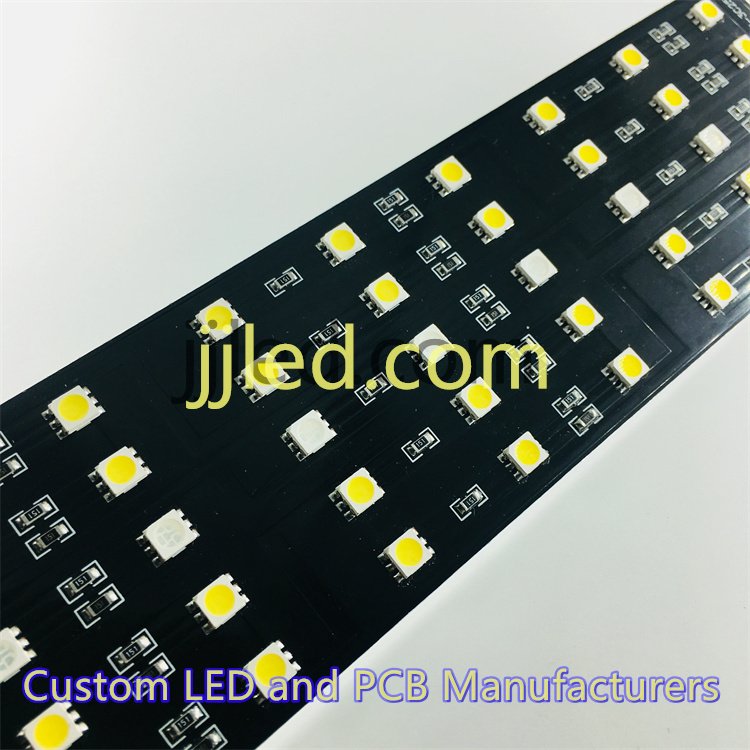
Both types have their place in photography; COB LEDs are preferred for strong, even light in spotlights and softboxes, while SMD LEDs offer design flexibility for panels and curved fixtures.
Choosing a photography lighting PCB with these features ensures you get flicker-free, color-accurate, and reliable light performance ideal for any studio setup.
Types of LED PCB Boards Suitable for Photography
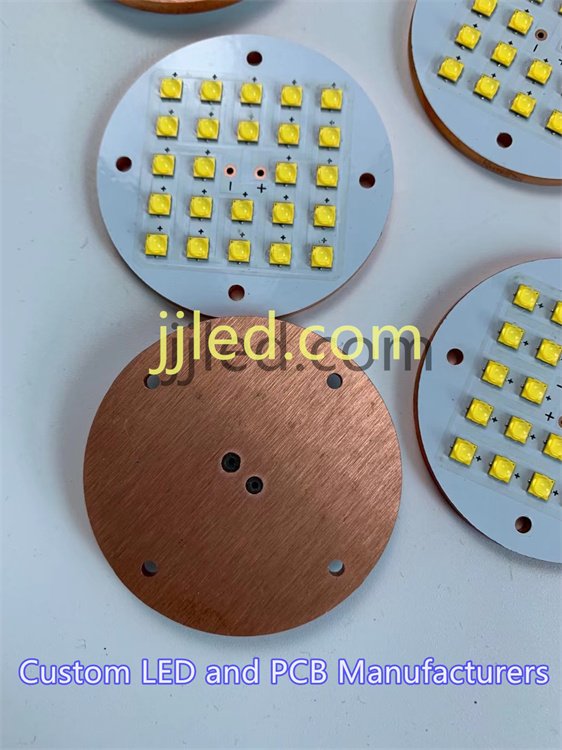
Choosing the right LED PCB board is vital for photography lighting. Different boards offer unique benefits depending on heat management, power, and design needs.
Common Types of LED PCB Boards for Photography
| PCB Type | Thermal Conductivity | Cost | Best For | Notes |
|---|---|---|---|---|
| Aluminum-based PCB | High (around 2.0 W/m·K) | Moderate | High-power LED panels & studio lights | Excellent heat dissipation, widely used in professional setups |
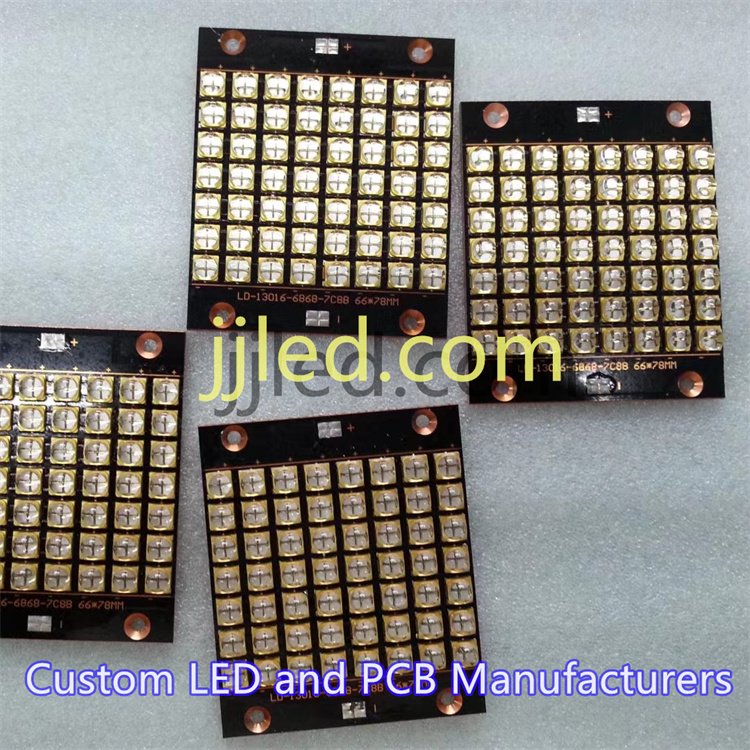
| Ceramic PCB | Very High (up to 40 W/m·K) | High | Ultra-high-power, precision tasks | Superior thermal stability, ideal for COB LED modules |
| Copper-core PCB | Very High (up to 400 W/m·K) | High | Advanced thermal performance lighting | Best heat management but costly, used in intense studio applications |
| Hybrid substrates | Medium to High | Variable | Balanced thermal and electrical needs | Combines aluminum and copper advantages |
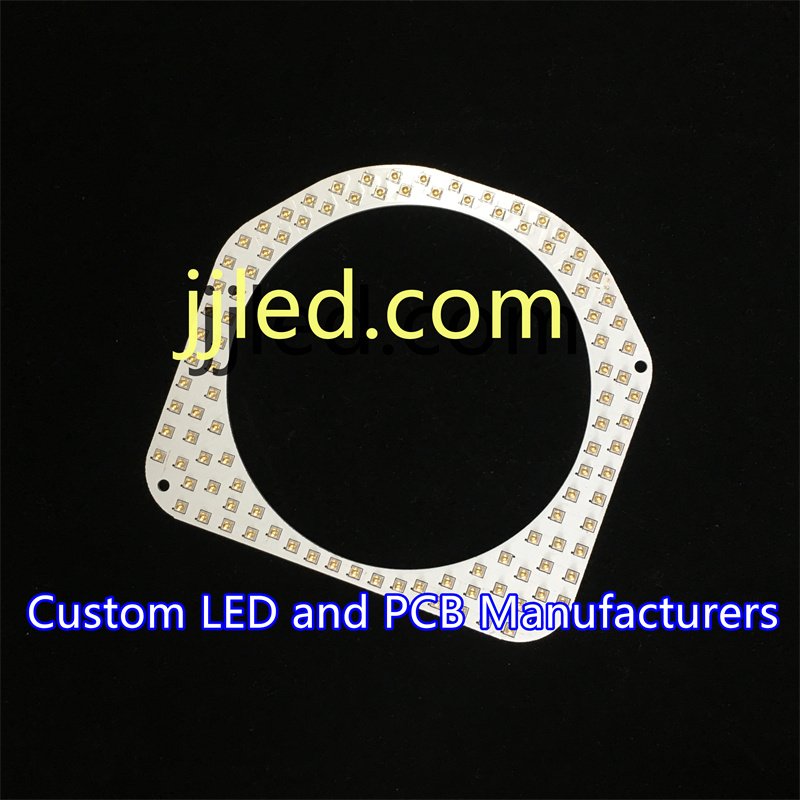
| Flexible PCB | Low to Medium | Moderate | Ring lights, curved designs | Allows unique shapes but less thermal conductivity |
Why These Matter for Photography
- Aluminum PCBs are the go-to for most photography LED boards due to efficient heat spread, keeping lights cool and consistent during long shoots.
- Ceramic PCBs fit specialized applications where ultra-stable and flicker-free lighting is non-negotiable.
- Copper-core and hybrid PCBs offer premium thermal solutions, perfect for high power output without color shifts.
- Flexible PCBs enable innovative lighting designs like ring lights or curved panels, adding versatility to studio setups.
Selecting the right board balances thermal management, cost, and the specific demands of photo and video lighting. For detailed design tips and circuit layouts, check our LED light circuit board design resources.
Key Specifications to Consider for LED PCB Boards
Choosing the right LED PCB board for photography lighting means focusing on a few must-have specs that affect performance and durability. Here’s what to prioritize:
| Specification | Details & Importance |
|---|---|
| Substrate Material & Thickness | Aluminum and ceramic are top picks for heat management. Thickness impacts durability and heat dissipation. |
| LED Chip Brands | Trusted brands like Cree, Osram, and Samsung ensure reliable, consistent light output. |
| Power Ratings & Lumen Output | Match the LED board’s power capacity and brightness to your lighting needs to avoid overheating or dimming. |
| Driver Compatibility | Ensure the PCB supports reliable drivers for flicker-free, smooth dimming—key for professional photography. |
| Surface Finish | White solder masks improve light reflection and uniformity, boosting color accuracy. |
| Certifications | Look for RoHS, UL, and IPC standards to guarantee safety, quality, and industry compliance. |
Using high-quality components and materials not only guarantees better flicker-free LED PCB performance but also assures consistent color accurate LED board output. This is essential for photography lighting PCB solutions that demand precise, uniform light for professional studio video light setups.
For more on how high CRI lighting benefits your photography, check out our detailed guide on the benefits of high CRI lighting.
Benefits of Custom LED PCBs for Photography
Choosing a custom LED PCB board for light photography offers clear advantages tailored to professional lighting needs. Here’s why custom designs stand out:
Tailored to Specific Fixtures
Whether it’s panels, spotlights, or softboxes, custom PCBs fit perfectly. This ensures optimized light distribution and fixture compatibility.
Improved Longevity and Performance
Custom boards use high-quality materials and precise thermal management, leading to longer life and stable performance under continuous use—key for demanding studio and video shoots.
Cost Savings with Factory-Direct Customization
Bypassing middlemen means better pricing without sacrificing quality. Factory-direct sourcing also lets you tweak specs exactly as you need, avoiding unnecessary expenses.
Real-World Results from Custom LED PCBs
| Benefit | Impact | Example Use Case |
|---|---|---|
| Flicker-free operation | Smooth, natural light for videos | Studio video light PCB |
| High CRI and color accuracy | True-to-life colors in photography | Professional photography LED design |
| Enhanced thermal handling | Reduced risk of overheating and color shift | Continuous use in softbox panels |
Customized LED boards transform lighting setups, delivering consistent, color-accurate output that professionals rely on. For more on custom solutions, explore our detailed custom LED board designs and learn how factory capabilities ensure top-notch quality.
Manufacturing Process Overview
The manufacturing of factory led PCB boards for light photography starts with careful design and prototyping. This stage ensures the LED PCB layout meets the specific needs of photographic lighting, including flicker-free performance and uniform light output. Once the prototype is validated, production can scale up efficiently.
Modern factories use advanced techniques like Surface Mount Technology (SMT) assembly and Chip-on-Board (COB) bonding to build high-quality LED PCBs. These methods allow precise placement of LEDs and components, crucial for maintaining consistent color accuracy and thermal management.
Quality control is a critical part of the process. It includes thorough thermal testing to prevent overheating, as well as optical performance checks to guarantee high CRI and color stability. This attention to detail ensures the final photography lighting PCB delivers reliable, long-lasting performance.
For an in-depth look at how LED PCBs are manufactured, you can visit our detailed guide on the manufacturing process of LED PCBs. This resource explains the full production cycle from design through quality assurance.
By combining precision design, advanced assembly, and strict testing, manufacturers produce custom LED boards that meet the high demands of professional photography lighting.
How to Choose a Reliable Manufacturer
Picking the right manufacturer for your factory led PCB board for light photography is a key step. Here’s what you should focus on:
Key Factors to Consider
- Experience in Photography Lighting: Choose suppliers familiar with photography-specific LED PCB requirements like flicker-free output and high CRI. This ensures the boards meet professional lighting standards.
- Customization Options: Look for manufacturers offering tailored solutions—adjustable color temps, specific LED placements, or custom sizes to fit your studio or video setup.
- MOQ Flexibility: Small or medium production runs are common for photo gear. A good supplier should offer flexible minimum order quantities so you’re not forced into large batch buys.
Red Flags to Avoid
| Warning Signs | Why to Avoid |
|---|---|
| No portfolio of photo LED PCBs | May lack the tech know-how for specialized lighting |
| Only generic standard PCBs | Could lead to poor thermal management or flickering |
| Unwillingness to customize | Limits your design options and performance needs |
| No quality certifications | Risks subpar reliability and safety issues |
Questions to Ask Potential Suppliers
- Do you have experience making custom LED PCBs for photographic lighting?
- Can you provide samples or case studies of studio or video light PCBs?
- What thermal management technologies do you use to ensure stable color output?
- Are your products certified to RoHS, UL, or other industry standards?
Why Factory-Direct Sourcing Works Best
Going factory-direct lets you benefit from:
- Lower costs by cutting out middlemen
- Better quality control with direct communication
- Faster customization cycles for unique photography lighting needs
This approach ensures you get high-performance, flicker-free LED PCBs that hold up under continuous use in professional studios.
For more insight into modern LED manufacturing capabilities, check out these details on LED light controller technologies, which play a big part in managing light output quality.
Why Choose Custom LED PCB Board For Light Photography
Choosing a custom LED PCB board for light photography brings clear advantages tailored to your specific lighting needs. As a leading RGBW LED strip PCB board manufacturer and supplier, we specialize in designing and producing custom LED PCBs made especially for photographic lighting.
Key Benefits of Our Custom LED PCBs
| Feature | Benefit for Photography Lighting |
|---|---|
| High CRI Support | Ensures true-to-life colors in photos and videos |
| Optimized Thermal Management | Prevents overheating and extends LED lifespan |
| Custom Designs | Fits perfectly in panels, spotlights, and softboxes |
| RGBW and Adjustable Color Temperature | Flexible lighting options from warm to daylight tone |
| Factory-Direct Pricing | Cost savings without sacrificing quality |
Our experience with professional photography LED design ensures that you get flicker-free, stable output required for high-quality shooting environments. We focus on combining thermal efficiency with high color accuracy using reliable LED chip brands.
If you want to explore how our custom LED PCBs can elevate your light photography setups, we offer easy contact options for quotes and samples. Get in touch to see how our tailored solutions can meet your studio or on-location lighting demands.
Discover more about our products and customization capabilities on our LED PCB board page.
 English
  Spanish
  French
  Portuguese
  Italian