
When optimizing indoor cultivation, focusing on grow light and wavelength isn’t just technical jargon—it’s the difference between mediocre yields and precise, efficient growth. Knowing the exact nanometer bands to deliver maximizes photosynthesis and triggers key plant developmental stages. Yet, the missing link for many is how this botanical science translates into LED PCB design that reliably outputs those critical spectra. This conversation isn’t about watts or lumens; it’s about engineering light at the circuit level to speak the plant’s language with perfect clarity. Let’s get into why wavelength precision matters and how tailored hardware transforms horticulture outcomes.
The Shift in Metrics: Why PAR and PPFD Matter More Than Lumens for Indoor Plants
When it comes to indoor plant lighting, lumens—a measure of visible light intensity for humans—don’t tell the full story. Plants don’t see light like we do. Instead, metrics like Photosynthetically Active Radiation (PAR) and Photosynthetic Photon Flux Density (PPFD) are far more important. These values measure the actual amount of light energy in the wavelengths plants use for photosynthesis, mainly between 400nm and 700nm.
Relying solely on lumens can cause growers to pick grow lights that look bright but don\’t deliver the right wavelength spectrum or intensity for plant development. This misalignment often leads to stunted growth, weak stems, and poor yields.
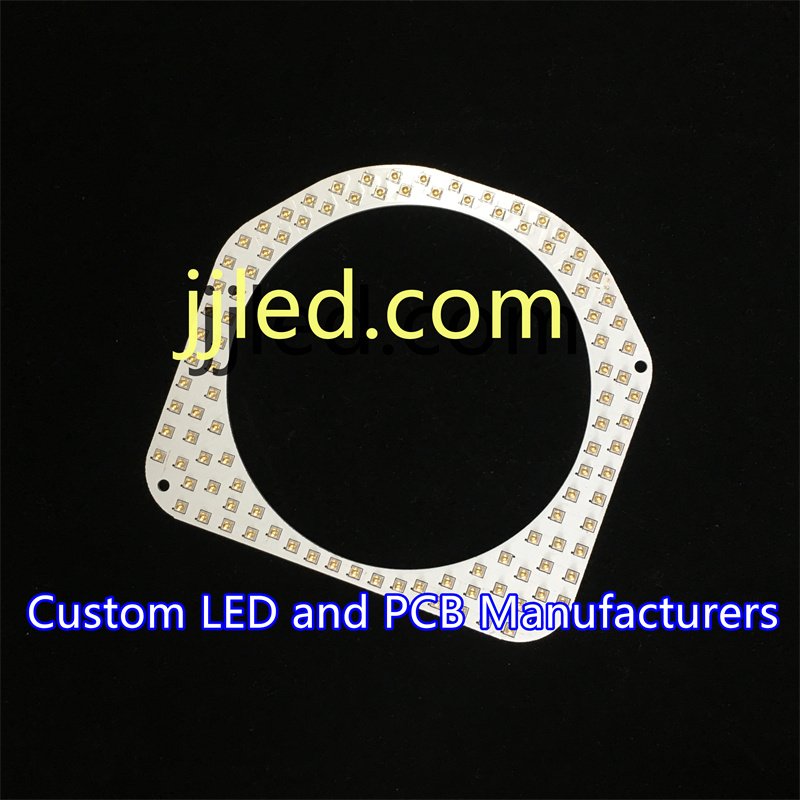
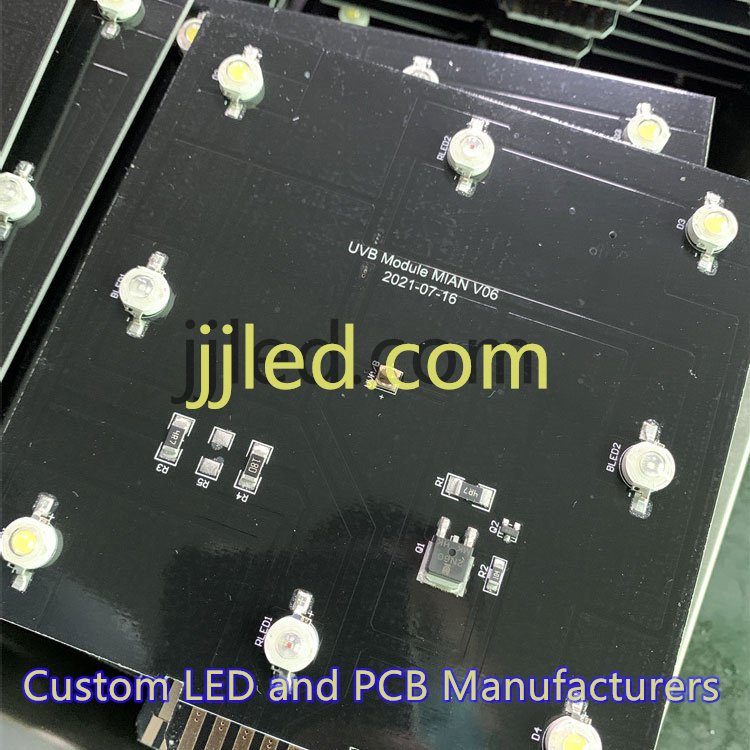
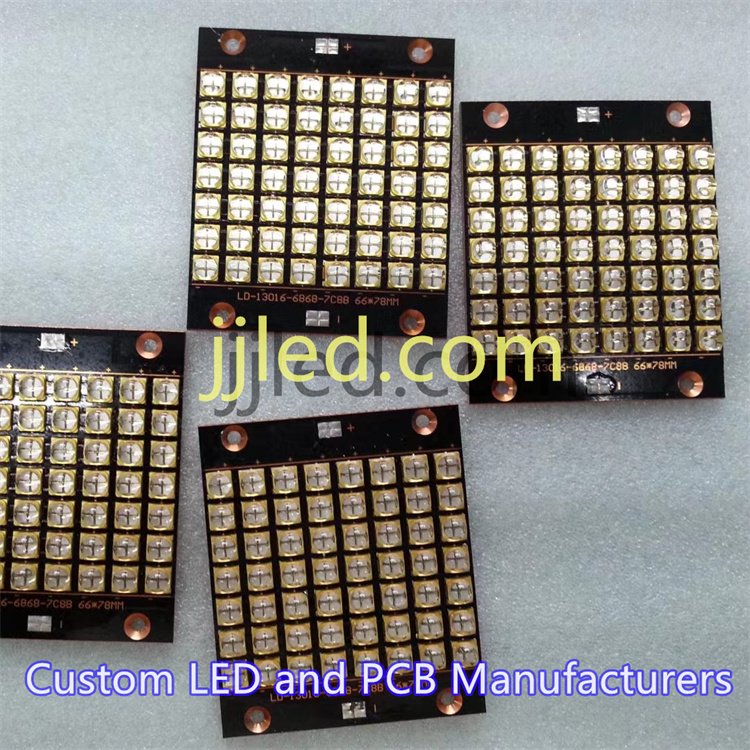
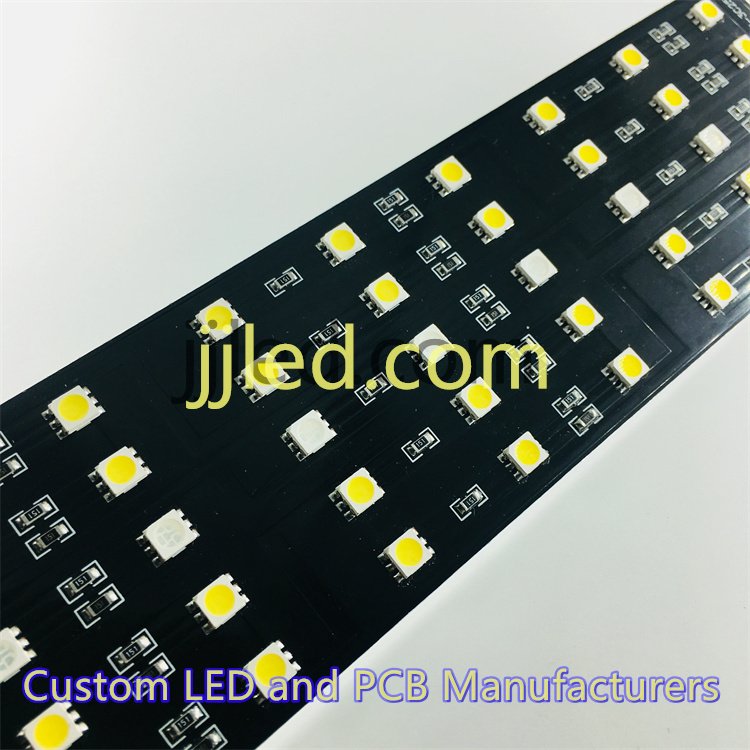
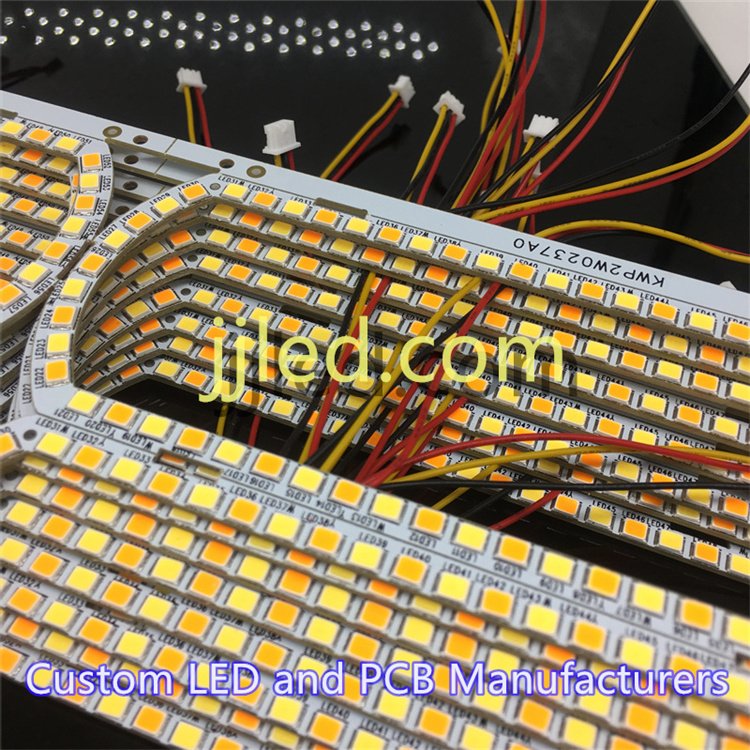
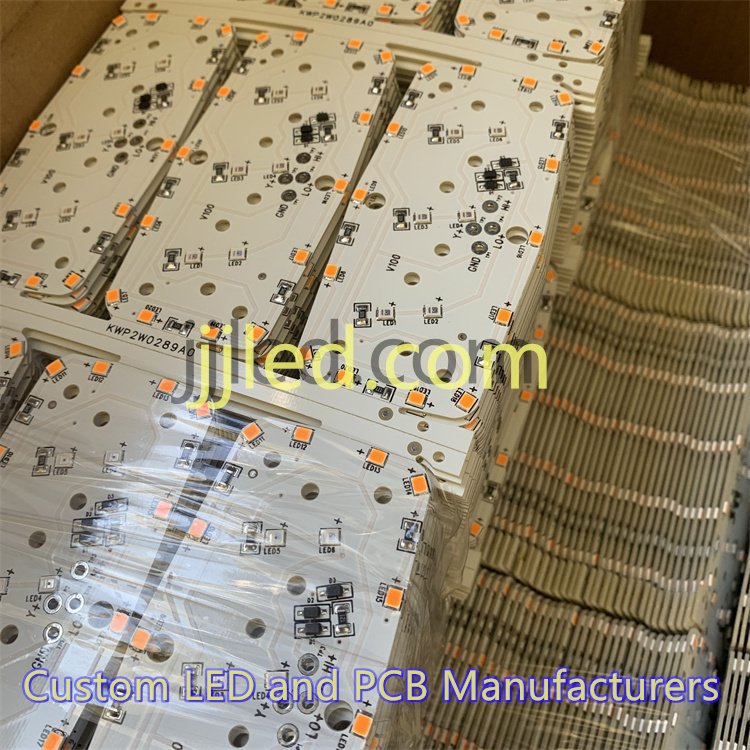
The root cause of this issue starts at the engineering level: precise wavelength delivery hinges on selecting the right LEDs and designing the PCB layout properly. The diode\’s emission spectrum and the way they are arranged on a grow light LED PCB directly influence the uniformity and spectral quality plants receive.
This is where Chinese manufacturers of grow light LED PCBs play a vital role. With advanced custom PCB assembly and diode binning techniques, these suppliers provide boards that can balance horticultural science with hardware precision. By bridging the gap between plant biology and electronics, they help growers get the exact spectral power distribution (SPD) necessary for optimized photosynthesis and growth.
For more details on precision LED boards tailored for horticulture, check out our offerings on custom aluminum PCB LED lighting boards and standard LED light circuit PCB boards.
Decoding the Spectrum: Understanding Wavelengths in Nanometers (nm)
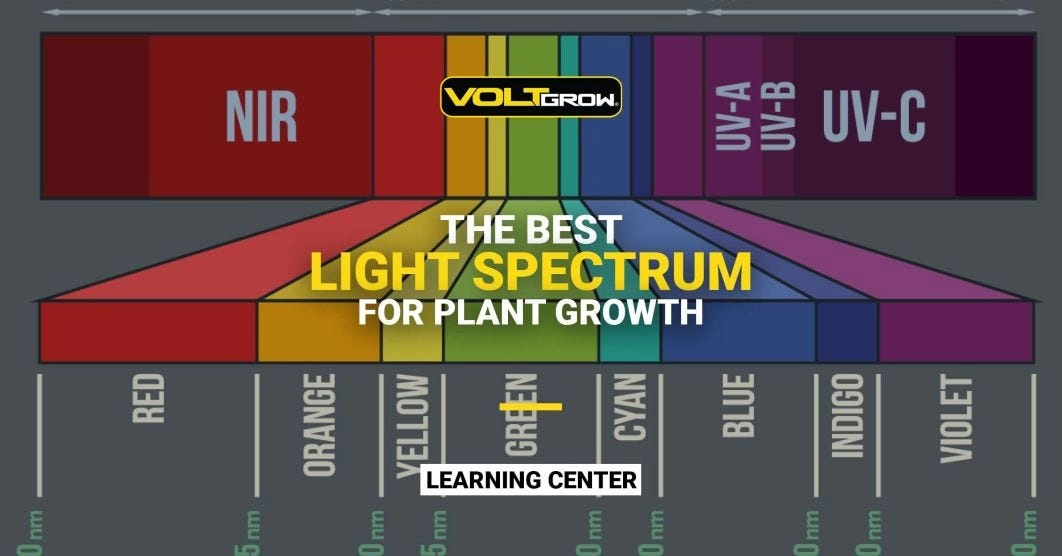
When it comes to grow lights and wavelength, knowing the nanometer (nm) range of light is crucial. Different segments of the light spectrum serve distinct roles in plant development.
- Blue Light (400nm – 500nm): This range is key for vegetative growth. Blue light encourages strong leaf development, root formation, and controls stomatal opening—essential for plant respiration and water regulation. The 450nm wavelength is often the standard in LED grow lights for these effects.
- Red Light (600nm – 700nm): Red light drives flowering, fruit production, and overall biomass increase. It is critical during the blooming phase, with 660nm being the most efficient peak for photosynthesis and growth stimulation.
- Green Light (500nm – 600nm): Often underestimated, green light penetrates deeper into canopy layers that blue and red light can’t easily reach. It also helps human eyes assess plant health more naturally, dispelling myths that green light is useless for plant growth.
- UV-A and UV-B (280nm – 400nm): These ultraviolet ranges trigger stress responses in plants, boosting trichome density—a key factor for flavor, aroma, and pest resistance in herbs and medicinal plants. Controlled UV exposure can enhance secondary metabolites important for plant quality.
- Far-Red (700nm – 750nm): Far-red light influences the Emerson Effect and the phytochrome system regulating plant flowering through the Pfr/Pr switch. It allows growers to manipulate blooming times and improve flowering efficiency by simulating natural light cues.
Grasping these wavelength roles supports precise grow light LED PCB design, matching diode selection and layout to plant needs. For example, using a high-performance LED driver board optimized for these wavelengths ensures consistent Photosynthetically Active Radiation (PAR) output, supporting healthier growth cycles.
For a professional take on lighting control tied to wavelength precision, check out our LED light driver board options designed for horticultural use.
Wavelength Recipes for Specific Growth Stages
Different growth stages of plants require specific light wavelength recipes to maximize yield and health. Understanding these needs is essential when selecting or designing grow light LED PCB boards.
Vegetative Phase: Emphasize Blue Light
During the vegetative phase, plants benefit from a higher blue-to-red light ratio. Blue wavelengths (around 400-500nm) encourage compact growth, stronger stems, and thicker leaves. This spectrum supports leaf development and helps regulate stomatal opening, which boosts photosynthesis efficiency.
Flowering and Fruiting Phase: Boost Red and Far-Red Light
When plants enter flowering or fruiting stages, red light (600-700nm), especially peaks near 660nm, becomes crucial. Red light stimulates flowering hormones and biomass accumulation. Adding far-red light (700-750nm) triggers the phytochrome system, influencing flowering timing and fruit expansion via the Emerson Effect. Tailoring this red/far-red blend can significantly improve bloom and yield outcomes.
Full-Spectrum vs Targeted Spectrum
You can use full-spectrum LED grow lights based on high-CRI white LEDs that mimic natural sunlight, offering a balanced mix across the PAR range. Alternatively, targeted spectrum designs use arrays of monochromatic diodes (red, blue, UV) precisely tuned for each growth stage. These custom arrays often achieve better energy efficiency and growth results by delivering specific wavelengths exactly when plants need them.
For tailored LED grow lighting solutions, our red and blue LED lights and red-white-blue LED grow lights offer customizable spectral options ideal for matching these growth-stage requirements.
This approach ensures your grow light’s wavelength delivery aligns perfectly with plant biochemistry, boosting your crop’s performance and making LED PCB engineering a decisive factor in indoor horticulture success.
Tailored Recommendations for Common Indoor Plants
When choosing grow light wavelengths, it’s important to match the spectrum to your plant’s specific needs. Different indoor plants respond uniquely to light color and intensity, which affects their growth and development.
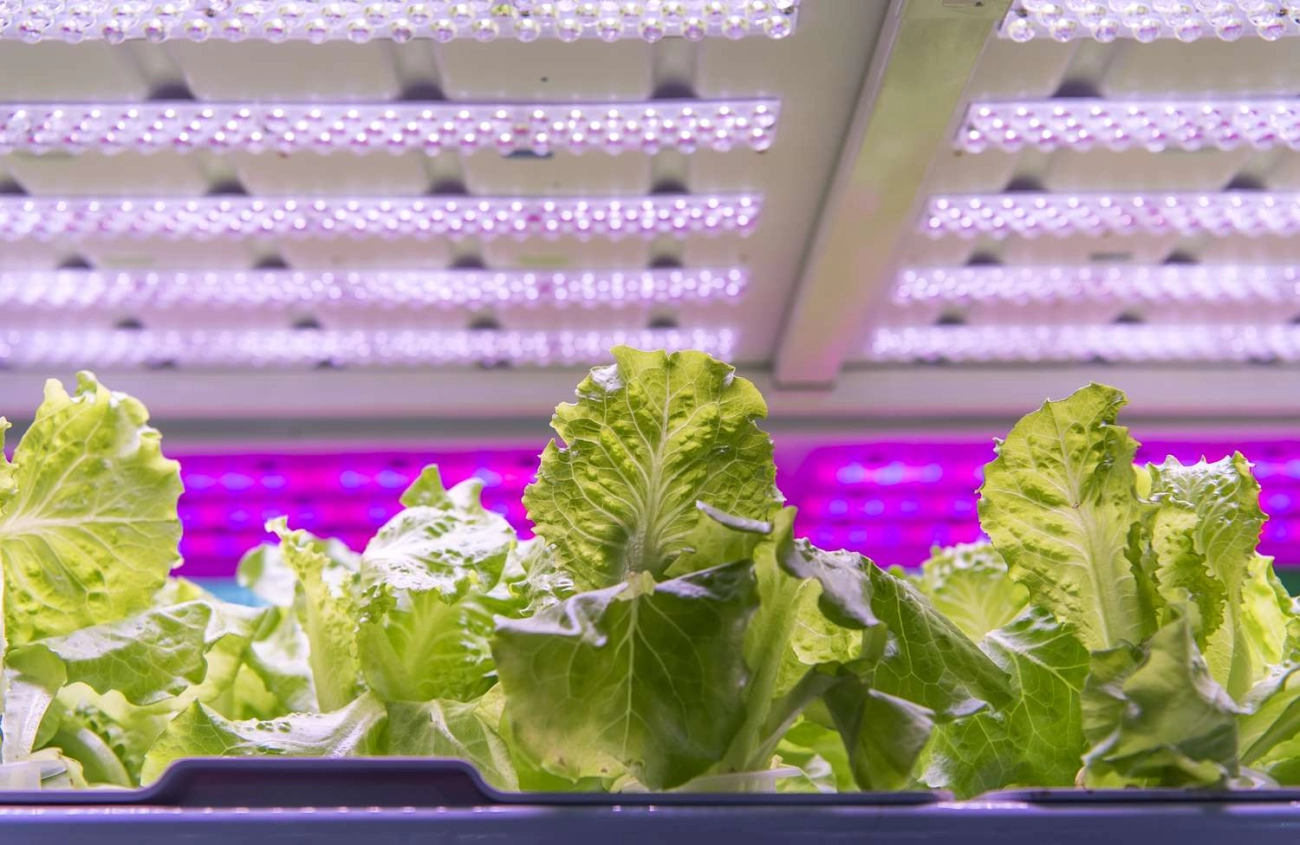
- Leafy Greens (lettuce, spinach): These plants thrive under a higher ratio of blue light (around 450nm) because it encourages compact leaf growth and strong photosynthesis. They need minimal red light, so focusing on blue wavelengths helps produce dense, vibrant leaves.
- Fruiting Plants (tomatoes, peppers): Start with a balanced spectrum combining blue and red light during the vegetative phase, then shift to a dominant red light spectrum near 660nm when flowering and fruiting begin. This red wavelength supports flower formation and fruit development, maximizing yield.
- Medicinal Herbs: For plants like basil or cannabis, full-spectrum lighting including UV wavelengths is beneficial. UV-A and UV-B exposure help boost secondary metabolites such as essential oils and other active compounds, enhancing flavor and potency.
- Succulents and Ornamentals: These plants benefit from a balanced spectrum that includes both blue and red light but avoids extreme intensities. This maintains their natural coloration and prevents unwanted stretching, which can happen under improperly tuned light spectrums.
Understanding these spectrum preferences can guide your grow light choices and ensure your indoor garden thrives. For precise wavelength delivery and custom LED PCB assembly tailored to these needs, check out our specialized grow light LED PCB board assembly services designed for horticulture applications.
The Hardware Reality: LED PCB Design & Assembly
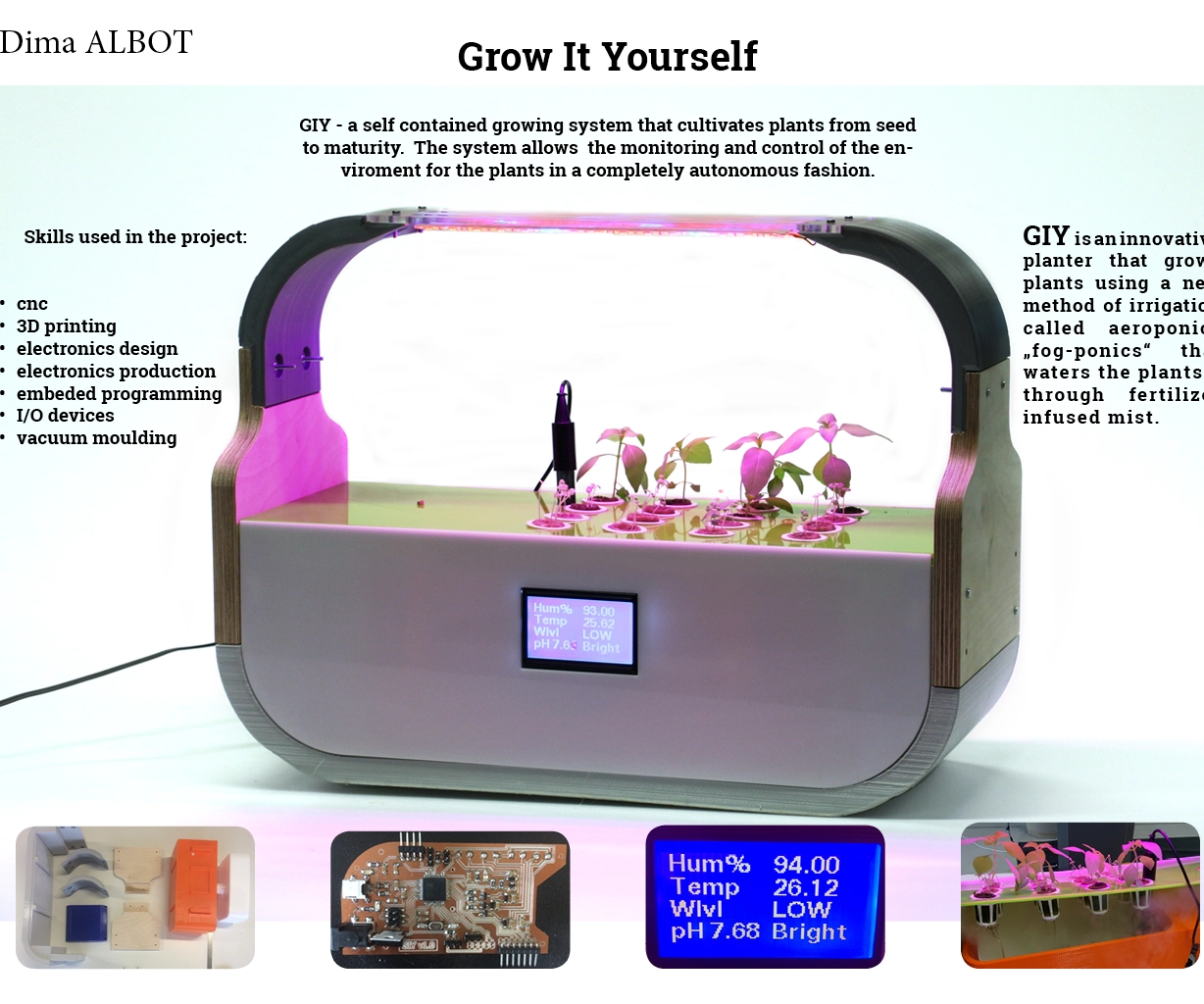
When it comes to delivering the right grow light wavelengths, the foundation lies in smart LED PCB design and assembly. Choosing the right diode isn\’t just about picking any red or blue LED—it’s about diode selection and binning to guarantee precise nanometer-level accuracy, especially targeting key wavelengths like 660nm deep red or 450nm royal blue. This precision ensures plants receive the exact light they need for photosynthesis and photomorphogenesis.
Cooling is another critical factor. Proper thermal management keeps the LEDs stable and maintains the spectral output under high power. Using PCB materials like aluminum or copper core helps dissipate heat effectively, ensuring the light spectrum doesn’t shift as the LEDs warm up during operation.
Besides materials, the actual PCB layout matters a lot. Strategically spacing out red, blue, and UV diodes on the board avoids hotspots and promotes even light mixing across the canopy. This design improves photosynthetically active radiation (PAR) uniformity and overall plant growth quality.
For high-quality LED PCB solutions and customized assembly services tailored to grow lights, you can explore detailed options like custom high-power aluminum LED PCB or designs optimized for heat dissipation and spectral balance at LED PCB design services. These offerings highlight how hardware expertise bridges horticultural needs and manufacturing precision.
Customization Services: Building Your Ideal Spectrum
When it comes to grow light LED PCB boards, off-the-shelf options often fall short of meeting specific plant needs. That’s where OEM/ODM customization shines. By tailoring spectral output, we can deliver exact wavelengths that match your crop’s growth stage, optimizing photosynthesis and development.
Our process starts with spectrum simulation, where we analyze and design the perfect mix of blue, red, far-red, and UV diodes for your plants. Next, precise PCB prototyping ensures the layout supports uniform light distribution without hot spots. Finally, assembly follows strict quality standards to guarantee consistency and performance.
We back every device with thorough quality control. Using PAR maps and integrating sphere spectral testing, we validate that the Photosynthetically Active Radiation (PAR) output aligns with design goals. This ensures your indoor crops receive the ideal spectrum and PPFD levels for healthy growth.
For advanced grow light LED PCB board assembly services and expert customization tailored to indoor horticulture, check our detailed PCB assembly services and LED PCB assembly options.
 English
  Spanish
  French
  Portuguese
  Italian