



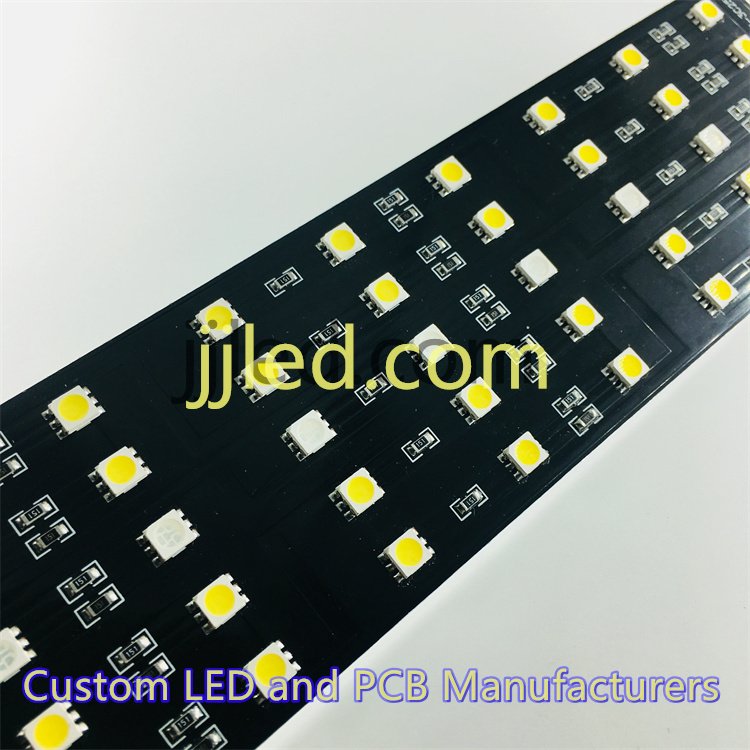


If you’ve been exploring modern lighting options, you’ve probably come across RGBW LED strips—and with good reason. These strips go beyond the usual RGB by adding a dedicated white LED, delivering richer colors and truly pure white light that standard RGB can’t match. Whether you want to elevate your home ambiance, create stunning accent lighting, or tackle a professional project, understanding RGBW technology is key to making the right choice. In this guide, you’ll discover what makes RGBW LED strips stand out, how to pick the perfect type, and tips for seamless installation that unlock their full potential. Ready to light up your space with precision and style? Let’s dive in!
What is an RGBW LED Strip?
An RGBW LED strip is a type of LED lighting that combines red, green, blue, and a dedicated white LED into one strip, either using a single 4-in-1 chip or separate LEDs placed side by side. This setup allows the strip to produce vivid colors like a standard RGB strip but also offers a pure white light option, unlike regular RGB strips which mix red, green, and blue to approximate white.
How It Works
- 4-in-1 Chips: These have red, green, blue, and white LEDs integrated into one compact unit for seamless color mixing.
- Separate Chips: Some RGBW strips use individual LEDs for each color placed side by side on the strip, giving more flexibility in brightness and control.
- The dedicated white LED is key for delivering true whites and softer pastel shades without color distortion common with RGB-only strips.
Evolution from Standard RGB Strips
Traditional RGB strips combine the basic red, green, and blue LEDs to create color. However, their white light output is often dull or tinted because it’s generated by mixing those three colors. The introduction of the white LED channel transformed the strip’s usability, enabling clearer, better quality white lighting for both functional and decorative purposes.
Common Types of RGBW LED Strips
- SMD 5050: The most popular type, featuring individual 5mm x 5mm LEDs. These can be 4-in-1 RGBW chips or separate LEDs on one strip.
- COB (Chip on Board): Offers a continuous, uniform light with less visible pinpoint LEDs, perfect for smooth, diffused lighting.
- Addressable vs. Non-addressable:
- Addressable RGBW strips allow control of individual LED segments for dynamic patterns and effects.
- Non-addressable strips change color uniformly along the entire length, suitable for simple lighting needs.
As a reliable RGBW LED strip PCB board manufacturer and supplier, we focus on delivering professional-grade strips optimized for color accuracy, brightness, and versatility — ideal for a wide range of applications.
RGBW vs. RGB LED Strips: Key Differences
The main difference between RGBW LED strip and standard RGB strips lies in how they produce white light and color quality:
| Feature | RGB LED Strip | RGBW LED Strip |
|---|---|---|
| White Light Quality | Mixed white by blending RGB | Pure white via a dedicated white chip |
| Color Range & Saturation | Good, but sometimes less natural pastels | Better pastel shades and richer colors |
| Brightness | Lower for white light | Brighter whites with better clarity |
| Power Channels | 4 channels (R, G, B + common) | 5 channels (R, G, B + White + common) |
| Power Consumption | Slightly less, but less efficient white | Typically higher, but more efficient for white light |
| Wiring Complexity | Simpler wiring, fewer channels | More complex wiring with an extra white channel |
| Cost | Generally more affordable | Slightly higher cost due to extra white LEDs |
| Best Use Cases | Mood lighting where white isn\’t needed | Mixed lighting requiring both color and pure white |
Why pick RGBW over RGB?
- If you want true white light that isn’t dull or tinted, RGBW LED strips are a better choice.
- Ideal for setups needing both vibrant colors and high-quality white lighting, like under-cabinet kitchen lighting or office spaces.
- Great for energy efficiency when white lighting is used often, as it reduces the need to mix RGB to fake white.
For a deeper look at LED chip options, check out our practical white light LED chip solutions that complement your RGBW designs perfectly.
Advantages of RGBW LED Strips
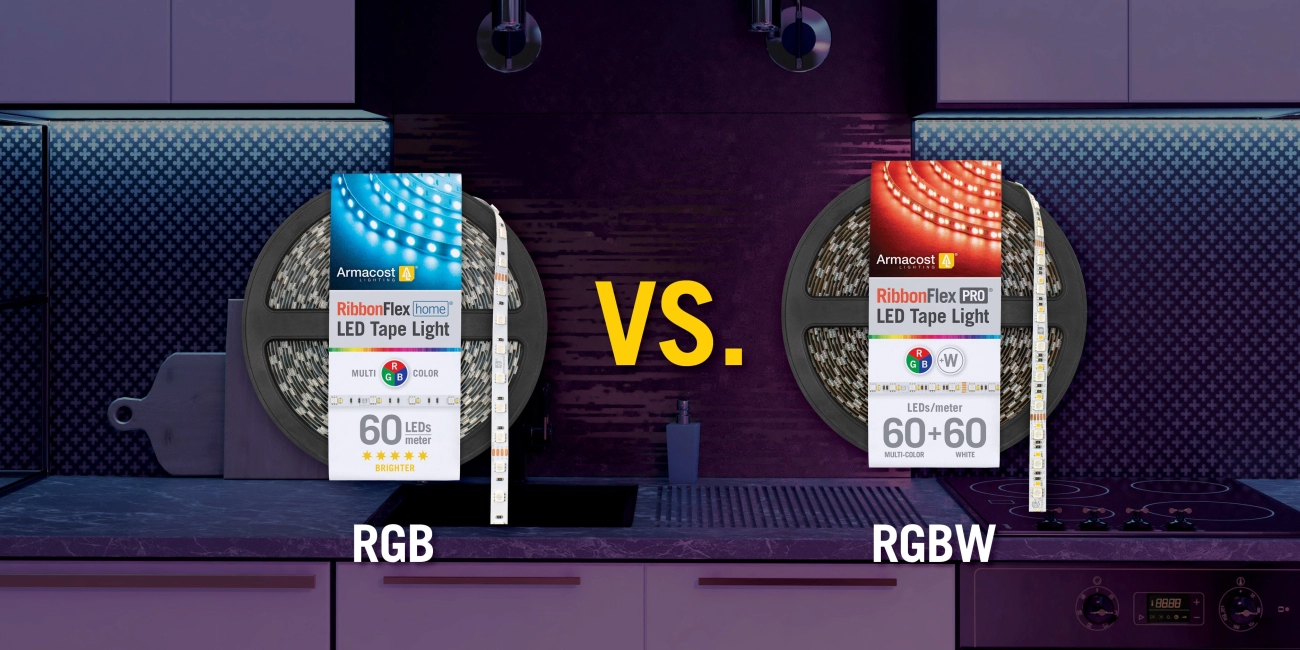
RGBW LED strips offer clear advantages over standard RGB options, making them a smart choice for various lighting needs. One of the biggest benefits is the superior white light they produce. Unlike RGB strips that mix red, green, and blue to create white, RGBW strips have a dedicated white LED chip. This means you get a pure white light that’s brighter and more natural—perfect for task lighting in kitchens or offices, as well as for creating ambient lighting that feels warm and inviting.
Another advantage is the enhanced color accuracy and vibrancy. With an extra white LED, colors appear richer and more balanced, helping you achieve more realistic and vivid shades, including subtle pastel tones. This makes RGBW LED strip lights ideal for spaces where color quality really matters, such as retail displays or entertainment rooms.
The flexibility for dual-purpose setups is also a big plus. You can switch between strong, functional white lighting and colorful mood lighting without needing multiple fixtures. This dual functionality saves space and cuts down on installation hassle.
Lastly, RGBW strips typically offer better energy efficiency and longevity. By using the dedicated white channel instead of mixing RGB LEDs to produce white, they reduce power consumption and heat build-up. This not only lowers electricity bills but also extends the lifespan of your LED strips.
For a professional setup, consider checking detailed LED light circuit board design advice to optimize performance and durability of your RGBW LED strips.
Best Uses for RGBW LED Strips
RGBW LED strips are versatile and perfect for a wide range of applications thanks to their ability to deliver both vibrant colors and high-quality white light.
Home Applications
- Under-cabinet kitchen lighting: Provides bright, clear white light for cooking tasks, while RGBW colors add ambiance during downtime.
- Cove ceilings: Create stunning indirect lighting with smooth transitions between colors and pure white light options.
- Bedroom accents: Set mood lighting or use crisp white light for reading without needing extra lamps.
- TV backlighting: Reduces eye strain by providing soft, adjustable lighting behind your screen in any shade, including true white.
Commercial and Outdoor Uses
- Bars and restaurants: RGBW strips boost atmosphere with vibrant colors and clean white for functional needs, like menu reading or bar turn-down.
- Signage: Eye-catching, energy-efficient RGBW LEDs make signs more visible day or night.
- Patios and outdoor spaces: Waterproof RGBW LED tape variants are ideal for weather-resistant outdoor lighting that offers both mood and task lighting with durability.
Creative and Architectural Projects
- Entertainment rooms: Mix colors for a party vibe or switch to pure white for movie nights and gaming sessions.
- Holiday decorations: Easily customize colors and white tones for festive lighting setups.
- Architectural highlights: Use RGBW strips to accentuate features like columns, staircases, or shelving with dynamic color options.
These examples showcase why RGBW LED strips are a top choice for flexible lighting solutions combining style and functionality. For more ideas on high-quality lighting, check out our guide on the benefits of high CRI lighting.
How to Choose the Right RGBW LED Strip
Picking the perfect RGBW LED strip depends on a few key specs. Here’s a quick guide to help you decide:
| Specification | What to Look For | Notes |
|---|---|---|
| LED Density | 30 – 144 LEDs per meter | Higher density = smoother light, better color mixing |
| Voltage | 12V vs. 24V | 24V strips support longer runs with less voltage drop |
| Power Wattage | Based on LED density and length | Ensure power supply matches wattage needs |
| CRI (Color Rendering Index) | 80+ ideal; 90+ for high color accuracy | Higher CRI means more natural white and colors |
| Color Temperature | Warm White (2700-3000K), Neutral (4000K), Cool (6000K) | Choose based on mood and functionality |
Waterproof Ratings for Durability
- IP20: Indoor use only, non-waterproof
- IP65: Splash-proof, good for kitchens and bathrooms
- IP67/IP68: Fully waterproof, perfect for outdoor or wet locations
Length, Cuttability, and Maximum Run
- Strips come in reels (typically 5m)
- Can cut every 5-10 cm depending on model
- Max run often limited by voltage and heat; 24V strips allow longer runs without extra power injection
Controllers and Compatibility
Choose a controller based on how you want to operate the strip:
- Basic remote control
- App-controlled via Wi-Fi or Bluetooth
- DMX controllers for professional lighting setups
- Voice assistants support (Alexa, Google Home) for smart homes
Budget and Quality Indicators
- Price usually rises with LED density, CRI, and waterproofing
- Cheaper strips might save money but often sacrifice brightness or lifespan
- Look for certifications and trusted manufacturers for reliable performance
For specialized needs like unique LED layouts or custom sizes, consider ordering a custom RGBW LED strip PCB. This can ensure the strip perfectly fits your project. Learn more about design choices at our LED PCB board manufacturing guide.
Choosing the right RGBW LED strip means balancing your lighting needs, installation site, and budget. Proper specs ensure great color quality, pure white light, and long-lasting performance.
Custom RGBW LED Strip PCB Boards
Custom RGBW LED strip PCB boards are a game-changer when your project needs something unique. Whether it’s a specific LED layout, unusual size, or extra features, customization lets you tailor the strip to fit perfectly.
Benefits of Custom RGBW LED PCBs:
- Perfect fit for your space and design needs
- Optimized LED density for brightness and power efficiency
- Control over PCB width and length for easy installation
- Ability to add branding or special marks on the board
- Integration of special features like enhanced heat dissipation or waterproof coatings
| Customization Options | Details |
|---|---|
| PCB Width | Narrow or wide to fit tight spots |
| LED Layout | Standard rows or staggered patterns |
| LED Density | From 30 to 144 LEDs/m or more |
| Branding | Logos or serial numbers on PCB |
| Special Features | Waterproof, flexible, high CRI |
Why Go Professional?
Choosing a professional manufacturer means getting quality materials, expert design, and consistent results. Professionals ensure your custom RGBW LED strip PCB boards meet electrical standards, work seamlessly with controllers, and last longer. This reduces the risk of issues like poor soldering, uneven lighting, or overheating.
If you’re looking for reliable, tailor-made RGBW LED strips, exploring expert services like our custom LED strip PCB solutions can save you time and headaches while locking in the exact specs you need.
Custom PCBs unlock the full potential of RGBW LED strips for any creative or commercial project. Whether it’s a one-off design or volume order, custom boards are simply smarter builds for better lighting.
Installation Guide: Step-by-Step for RGBW LED Strips
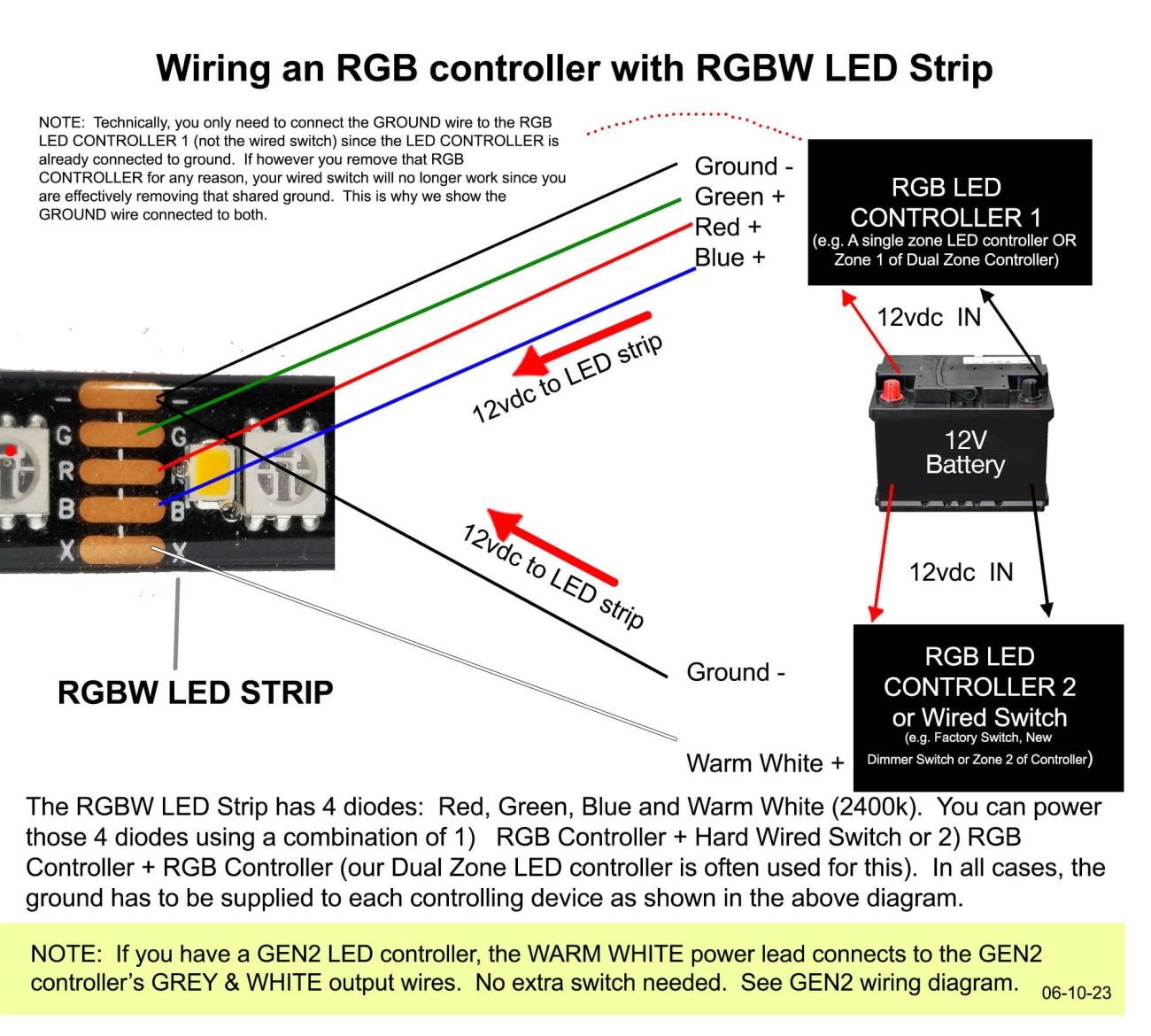
Installing your RGBW LED strip doesn’t have to be complicated. Here’s a straightforward guide to get your setup right, whether it’s for home, commercial, or custom projects.
Tools and Materials Needed
- RGBW LED strip (choose based on your required length and specs)
- Power supply suited to your strip’s voltage (12V or 24V)
- Controller compatible with RGBW strips, such as a remote or app-controlled unit
- Wire cutters/strippers
- Soldering iron (optional, but helpful for secure connections)
- Adhesive backing or mounting channels and diffusers
- Connectors, amplifiers (for longer runs)
Planning Your Layout and Power Requirements
- Measure your space carefully to know how much strip you need.
- Check the maximum run length specified for your strip to avoid voltage drop.
- Calculate power needs: multiply total wattage per meter by your strip length. Pick a power supply that can handle at least 20% more than your calculation.
- Plan where your controller and power supply will be placed for easy access and cable management.
Cutting, Connecting, and Wiring
- Always cut only at marked cut points on the strip.
- Use proper connectors or solder wires directly to the strip pads for a solid connection.
- Make sure to wire the RGBW channels correctly — these strips usually have 5 channels: red, green, blue, white, and positive.
- Connect the power supply to the controller, and from the controller to the strip.
- Test your setup before final mounting to confirm all colors and white light function correctly.
Mounting Tips
- Use the adhesive backing provided on most RGBW LED strips for quick installation on clean, dry surfaces.
- For a neat look and better light diffusion, use mounting channels or aluminum profiles with diffusers.
- Avoid sharp bends or twisting to prevent damaging the LEDs.
- Keep strip away from excessive heat or moisture unless your strip has a waterproof rating (IP65/IP67).
Common Mistakes to Avoid
- Overloading the power supply by exceeding max wattage.
- Ignoring polarity when connecting strips and controllers.
- Cutting the strip incorrectly and damaging LED chips.
- Insufficient power injection on longer runs, causing dim areas.
If you need specific RGBW controller and remote options to make setup easier, consider reliable remote-controlled LED solutions or check out PWM dimmer controllers to match your lighting needs. With the right prep and gear, your RGBW LED strip installation will be smooth, giving you vibrant lighting with pure white options and dynamic colors every time.
Controllers, Accessories, and Smart Integration
When working with RGBW LED strips, having the right controllers and accessories makes all the difference. Essential accessories include reliable power supplies to keep your lights running smoothly, sturdy connectors for secure joins, and amplifiers that help maintain brightness over longer runs.
For controlling your RGBW LED strip lights, you’ve got several options:
- Remote controllers: Simple and affordable, great for basic color and white light switching.
- Wi-Fi or app-based controllers: These allow more precision with color tuning, scheduling, and scene setting right from your smartphone.
- Voice control: Integration with Alexa, Google Assistant, or other smart home systems means you can adjust lighting hands-free.
For more advanced setups, look for controllers that offer features like:
- Music sync, where lights change in rhythm with your tunes.
- Multi-zone control, enabling different colors or white tones in separate sections.
- Automation, letting you program lighting schedules or respond to environmental triggers.
Choosing a compatible RGBW controller and remote ensures you get the best performance out of your LED strip, especially if you want smooth white light mixing alongside rich RGB colors. For those who want professional quality and advanced control, combining smart integration with the right accessories really elevates your lighting experience.
For tips on assembling your setup and choosing accessories, check out our detailed guides on LED hardware and installation techniques at JJLED’s blog.
Maintenance, Safety, and FAQs
Keeping your RGBW LED strip in top shape is simple with a few easy maintenance tips:
- Cleaning: Wipe strips gently with a soft, dry cloth. Avoid harsh chemicals or water exposure unless your strip is waterproof (IP65+).
- Longevity: Ensure good ventilation and avoid overheating by not overloading power supplies or running strips continuously at max brightness.
- Safety: Always match your power supply voltage (12V or 24V) and use recommended controllers. Proper heat management, like installing aluminum channels, helps prevent damage and extends lifespan.
Common FAQs:
- Maximum length: Most RGBW LED strips can be safely run up to 5 meters per power feed. Longer runs need amplifiers or additional power inputs to prevent dimming and voltage drop.
- Dimming: RGBW strips work well with both PWM and voltage dimmers, but using a compatible RGBW controller ensures smooth brightness and color changes.
- Compatibility: Make sure your controller supports 5 channels (R-G-B-W-W) for true RGBW control—not just RGB with mixed white. Addressable RGBW strips require specific drivers for individual LED control.
For custom projects or advice on wiring and power management, check out our detailed guides on LED driver circuit design and MOSFET selection for PWM LED dimmers. Proper setup guarantees your RGBW LED strip delivers vibrant color and pure white lighting safely for years to come.
 English
  Spanish
  French
  Portuguese
  Italian